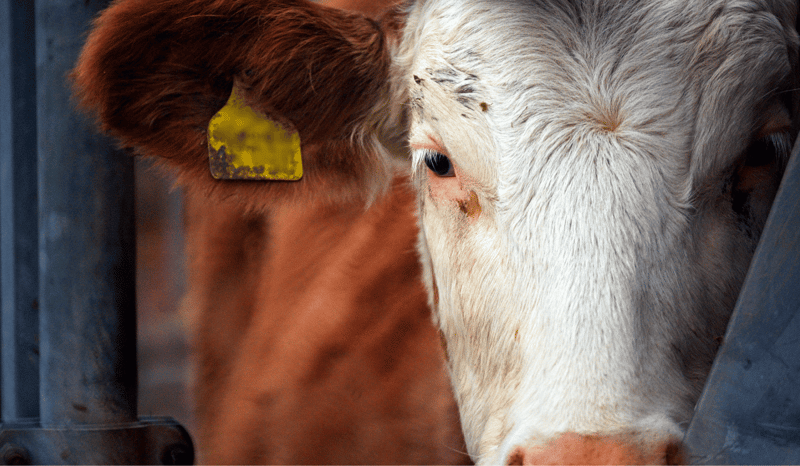
It’s being sold as a nostalgic, “natural” fat, but the real story of beef tallow starts on a factory farm floor.
If you’ve been anywhere near the wellness internet lately, you’ve probably seen beef tallow having a serious moment. It’s showing up in skincare routines, trending on food blogs, and being touted by influencers as the “ancestral fat” that processed vegetable oils supposedly replaced. The pitch is clean and simple: tallow is natural, traditional, and good for you. But there’s a question nobody in those glowing product reviews seems to be asking: where does beef tallow actually come from?
The answer is factory farms. And that changes everything.
What Is Beef Tallow and How Is It Made?
Beef tallow is rendered fat, produced by heating and separating the hard fat tissues of cows—primarily the suet found around the kidneys and loins. Commercially, this process is called rendering, and it happens at large industrial facilities that process slaughterhouse “byproducts.” The raw fat is melted down at high temperatures, the impurities are removed, and what’s left is tallow—a solid, shelf-stable fat used in cooking, cosmetics, candles, and industrial lubricants.
Rendering has existed for centuries, but what’s largely glossed over in the tallow revival conversation is that today’s commercial beef tallow supply isn’t coming from small family farms or pasture-raised cows. It is, overwhelmingly, a product of the industrial food system—the same system responsible for some of the most widespread and systemic animal suffering in the world.
The Factory Farm System Behind Every Jar
The vast majority of cows sold and slaughtered in the United States come from confined animal feeding operations, or CAFOs. These are facilities where cows—who are intelligent, social, playful, and naturally inclined to roam—are packed into feedlots by the thousands, standing on concrete or compacted dirt, with no access to pasture and little room to move. They are fed grain-heavy diets designed to maximize weight gain in minimum time and are routinely given preventative antibiotics to counter the higher risks of infection in feedlot conditions.
The suffering in these systems isn’t incidental—it’s structural. It is built into the business model. Faster growth, poor diets, tighter space, and higher throughput are features, not flaws, of industrial production. By the time cows are just 18-24 months old, a fraction of a cow’s natural lifespan, they have been fattened to slaughter weight and enter the processing pipeline where beef tallow is collected as one of dozens of commercial products.
The “Natural” Label Doesn’t Tell the Whole Story
Part of what’s driving the tallow trend is concern about ultra-processed foods and industrial seed oils. Some of those concerns aren’t necessarily unfounded, but the logic of “if it’s old, it must be better” breaks down when you look at the conditions under which modern beef tallow is actually produced.
There is nothing ancestral about a feedlot. The cows our great-grandparents may have rendered fat from lived very different lives than the animals churning through today’s industrial slaughter system. When wellness influencers invoke tradition and heritage to sell tallow, they’re borrowing the imagery of a food system that, for most consumers today, no longer exists.
Truly pasture-raised cow farming is a small fraction of the US market—and tallow produced that way comes at a very different price point and from a very different supply chain than what most consumers are actually buying.
The Bigger Picture: Systemic Harm
Factory farming doesn’t just harm animals, though that harm alone should be enough to give us pause. Animal agriculture is also one of the leading contributors to greenhouse gas emissions, water, and land degradation globally. Slaughterhouse workers face some of the highest rates of injury and illness of any industry in the country. And the overuse of antibiotics in animals exploited for food is contributing to the growing global crisis of antimicrobial resistance.
These aren’t side effects. They are the logical outcomes of a system optimized for scale and profit above all else. When we buy products derived from that system—whether it’s a burger, a steak, or a jar of beef tallow—we’re participating in it. And the more we normalize and even celebrate those products without acknowledging where they come from, the harder it becomes to change the underlying system.
So What Can You Do?
We’re not here to shame anyone’s dietary choices. We’re here to make sure people have the full picture because the beef tallow trend is being marketed as a conscious, back-to-basics choice, and it deserves an honest conversation about what’s actually behind it.
But the most powerful thing any of us can do—as consumers, as advocates, and as people who care about animals—is to push for systemic change. That means supporting legislation that bans the most cruel factory farming practices. It means demanding corporate accountability from the companies that profit from this system. It means choosing plant-based alternatives when able and accessible. And it means continuing to ask the questions that the industry would rather we didn’t.
Behind every trending product, there’s a supply chain. And behind beef tallow, there’s a cow who deserved far better than what our food system gave her.
Protect Farmed Animals
World Animal Protection is working to end the most cruel practices in factory farming. Join us in demanding better for the billions of animals trapped in this broken system. Donate today.