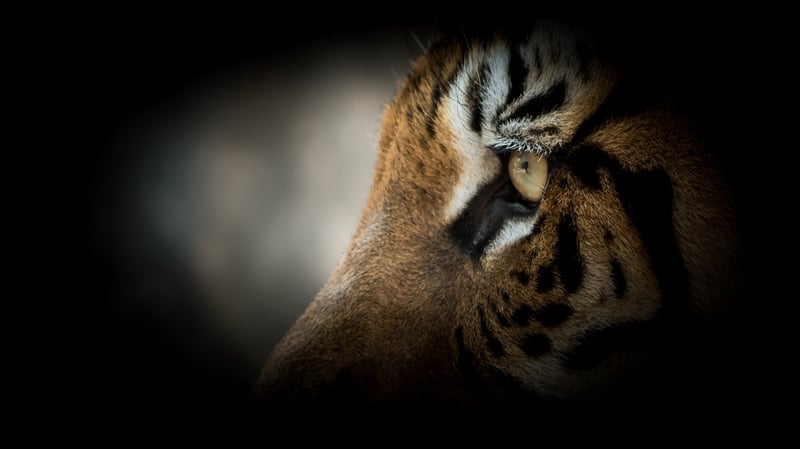
The tigers have reportedly died of canine distemper, a highly contagious disease, according to Thai officials.
Seventy-two tigers are dead in Thailand.
Between February 9 and February 18, 2026, canine distemper virus (CDV) swept through two branches of Tiger Kingdom Chiang Mai—Mae Taeng and Mae Rim—killing 51 tigers at Mae Taeng and 21 at Mae Rim. Together, the two venues confine approximately 240 tigers for tourism and entertainment. The remaining tigers and the staff have been placed under observation while the venues work on disinfecting the enclosures.
According to Thai officials, avian influenza has been ruled out in both the tigers and in the chicken carcasses used to feed them, initially suspected as a source of infection. Authorities have also reported that the animals tested positive for bacteria associated with respiratory disease, and investigations into how canine distemper entered the facilities are ongoing. The bodies of the deceased tigers were buried to prevent their body parts from entering the illegal wildlife trade.
While the immediate cause of death has been identified, the deeper cause is harder to ignore: confinement, commercial breeding, and systemic vulnerability.
Captive Breeding, Weakened Immunity, and Disease Spread
Officials familiar with the situation have indicated that inbreeding among the tigers at Tiger Kingdom Chiang Mai likely contributed to the severity of the outbreak. In captive facilities where breeding is driven by profit, genetic diversity often declines over generations.
Reduced genetic diversity weakens immune systems. It limits an animal’s ability to respond to novel pathogens and increases susceptibility to respiratory infections and systemic disease. In the wild, natural selection maintains genetic strength across populations. In captivity—especially in facilities that continuously breed tigers to supply tourist demand for cub petting and photo opportunities—those evolutionary safeguards erode.
Canine distemper virus is highly contagious, spreading through respiratory droplets, bodily fluids, and contaminated surfaces. In high-density environments where animals are housed in close quarters and biosecurity protocols may be limited (often due to low concern for animal well-being), viruses can move rapidly. Add stress—from confinement, frequent human interaction, noise, and unnatural social groupings—and immune defenses weaken further.
The result is what we have just witnessed: a mass fatality event in less than two weeks.
The Zoonotic Disease Warning We Cannot Ignore
While canine distemper is not currently known to infect humans, this outbreak highlights a broader and deeply concerning issue: the conditions that fuel zoonotic disease emergence.
Zoonotic diseases are illnesses that spill over from animals to humans. According to global health authorities, the majority of emerging infectious diseases in humans (approximately 60-75%) originate in animals. Viruses such as SARS, avian influenza, Ebola, and COVID-19 all emerged from situations involving close human-animal contact, the wildlife trade, habitat disruption, or high-density animal confinement.
Facilities that confine wild animals for tourism create several of the exact risk factors epidemiologists warn about:
- High animal density
- Close and repeated human-wildlife interaction
- Chronic stress and compromised immunity
- Limited genetic diversity
- Inconsistent or under-resourced disease surveillance
When pathogens circulate in stressed wildlife populations, they have more opportunities to mutate, with every replication cycle a chance for viral evolution. While not every outbreak results in spillover to humans, the more we normalize intensive wildlife confinement and interaction, the more we increase the statistical likelihood of a dangerous crossover event.
Even when a specific virus does not infect humans, the infrastructure that allows it to spread—weak biosecurity, limited testing, high turnover of animals, and proximity to people—represents a systemic public health concern.
In short: what harms animals in captivity can ultimately threaten human communities as well.
Why Wild Animal Interaction Must End
Tiger Kingdom Chiang Mai markets close encounters with tigers as unforgettable experiences. Visitors are invited to touch, pose with, and photograph these apex predators, but proximity does not equal protection.
Risks to Animals
Wild animals forced into entertainment settings endure chronic stress, unnatural breeding cycles, and confinement that undermines their physical and psychological well-being. Stress hormones suppress immune function, making animals more vulnerable to infectious disease.
When outbreaks occur, they can devastate entire captive populations because there is nowhere for animals to escape exposure—no vast territories, no natural dispersal patterns, no ecological buffers.
Risks to Humans
Direct contact with wild animals also carries safety risks, from bites and scratches to pathogen exposure. Even when a specific pathogen is not transmissible to humans, humans can act as mechanical carriers—transporting viruses or bacteria on clothing, shoes, or equipment between enclosures or facilities.
Public health experts consistently warn that reducing high-risk wildlife contact is one of the most effective ways to prevent the next pandemic. Yet wildlife tourism venues that promote hands-on interaction move us in the opposite direction.
The Conservation Myth
Beyond disease and safety risks, captive entertainment facilities distort public understanding of wildlife. They reinforce the idea that tigers exist for human amusement rather than as sentient beings whose survival depends on intact ecosystems and protection in the wild.
Captive breeding does not conserve wild tiger populations. It does not restore habitat. It does not dismantle poaching networks. Instead, it creates “surplus animals” who can never be released and who remain dependent on an industry built around spectacle.
When outbreaks occur, it is the animals who pay the price.
How You Can Help Tigers Worldwide
The deaths of 72 tigers in Chiang Mai are not an isolated tragedy. They are a symptom of a system that prioritizes profit over animal well-being, breeding over biodiversity, and entertainment over ethics.
As long as wild animals are bred, confined, and exploited for profit by the tourism industry, they will remain vulnerable to disease, neglect, and systemic cruelty. And as long as high-risk wildlife interactions continue, zoonotic disease threats will persist at the human-animal interface.
This future is preventable.
At World Animal Protection, we work year-round to:
- Advocate for stronger national and international laws to end the commercial breeding and exploitation of tigers
- Hold the travel industry accountable for promoting harmful wildlife attractions
- Support long-term solutions that prioritize animal well-being and true conservation
- Mobilize public pressure to shift industries away from cruelty
None of this work happens without people who believe tigers deserve better.
When you donate to World Animal Protection, you help us respond to urgent crises and build a world where tigers are protected in the wild, not bred for entertainment and left vulnerable in captivity.
Your support fuels investigations, advocacy campaigns, policy reform, and partnerships that drive lasting change. Donate to protect animals today.