Get Involved
First, adopt, don’t shop. Don’t buy wild animals. Additionally, advocate for your city to pass a comprehensive retail pet sales ban.
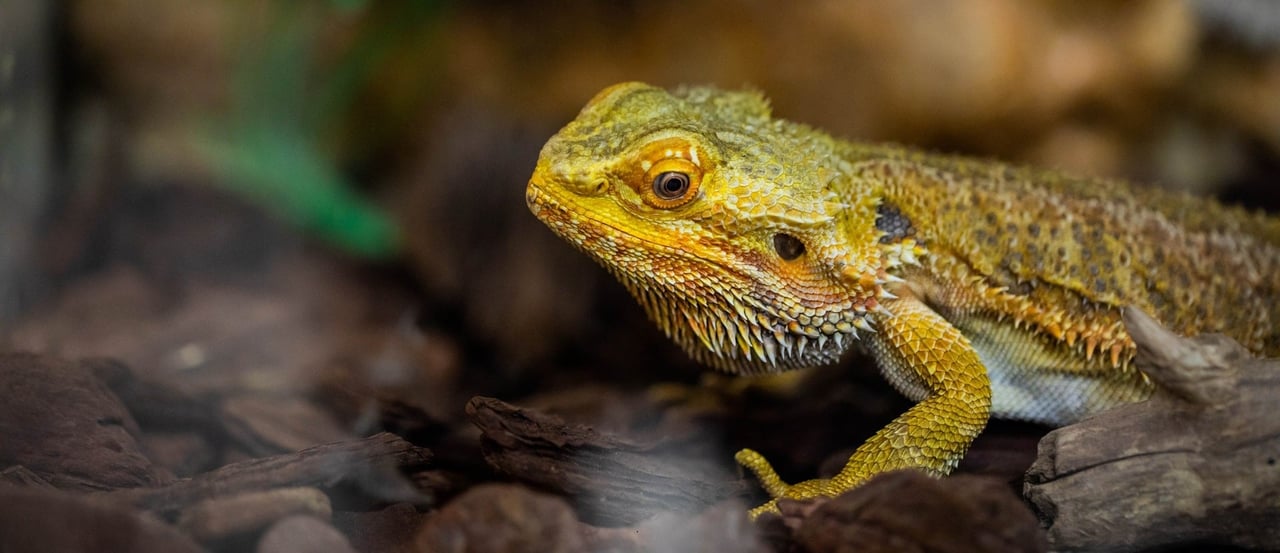
Many cities have banned the sale of puppies and kittens in pet stores, but most animals sold in stores are wild animals like turtles, parrots, and guinea pigs. We’re working to pass comprehensive retail sales bans that prohibit the sale of all animals.
 |
 |
 |
|
Cruel Mills Animals in pet stores come from mills where hundreds or thousands of animals are confined to small cages, tubs, and tanks without adequate food, water, or veterinary care. |
Overwhelmed Shelters and Sanctuaries Wild animals are mis-marketed as low-maintenance or “beginner pets.” Shelters, rescues, and sanctuaries are inundated with small animals. |
Threatening Biodiversity Many animals are abandoned outside. These animals threaten native species by introducing disease and using scarce resources. |
In mills, dead animals are just seen as the cost of doing business.
Investigations have found decomposing animals among living animals, cannibalization, cages encrusted with feces, grime, and old food, animals exhibiting abnormal behavior, animals unable to access water, severely injured and ill animals with hair loss, scabbing, skin conditions, diarrhea, and eye problems.
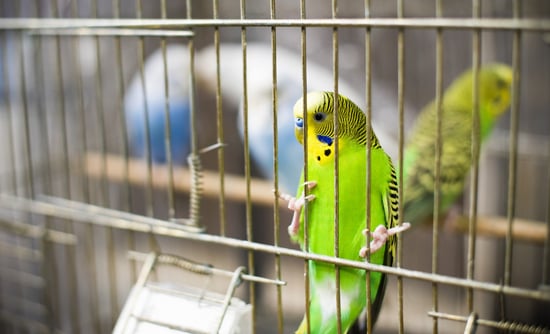
A first-of-its-kind undercover investigation by World Animal Protection at US Department of Agriculture-licensed bird mills revealed how parrots are produced for pet stores: thousands of birds held in small, filth-encrusted cages—deprived of the ability to fly or feel the sun on their wings.
These bird mills I filmed are not outliers. All of the places that I went to are USDA-licensed, government-regulated. Essentially, these places are operating legally and [largely] in compliance, so when it comes to bird mills…that’s as good as a place can get.
Abandoned wild animals can become invasive species. Globally, non-native species cost the US an estimated $120 billion annually.
Wild animal sales are fueling the next pandemic. 70% of emerging infectious diseases originate in wildlife.
The US imports more than 90 million wild animals annually for the pet trade.
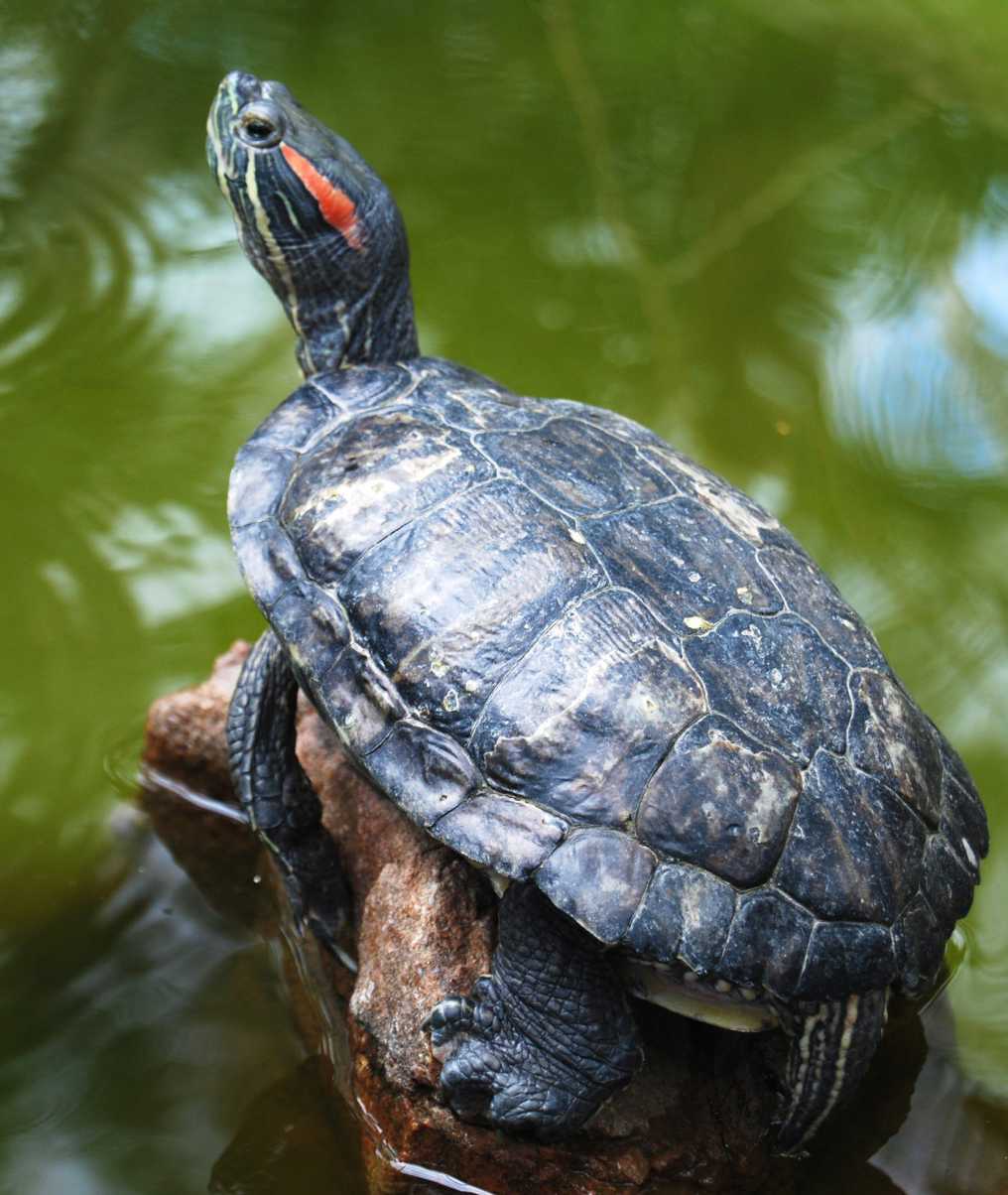
The mass sale of wild animals, such as turtles, parrots, and guinea pigs, pushes more animals into shelters, rescues, and sanctuaries. Many families purchase animals without realizing the complex care they require. Some shelters don’t even accept these species, and rescues and sanctuaries are at capacity.
The wildlife trade is a multibillion-dollar industry that is fueling the extinction of many species. The US is a top importer of wildlife, and the sale of wild animals as pets is a major driver. Wild-caught animals endure brutal capture techniques. Many animals die before reaching a pet store.
First, adopt, don’t shop. Don’t buy wild animals. Additionally, advocate for your city to pass a comprehensive retail pet sales ban.