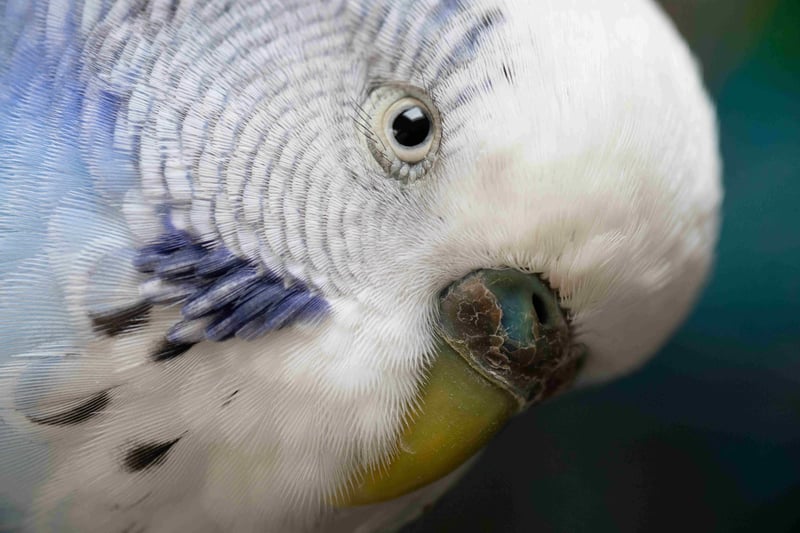
We Pushed Ads to People Interested in Buying a Bird, 3 Out of 4 Changed Their Minds
Blog
A new ad campaign targeted people searching to buy a bird with information about bird mills. 75% said they’d consider adopting instead as a result.
People who search online for information about buying a bird probably aren't looking for a debate. They're looking for a pet store, a breeder, or a price. That's exactly why World Animal Protection US targeted this audience directly with a recent ad campaign, reaching people in the New York City area who were actively searching for information about buying a bird—and pointing them toward the facts before they made a decision.
The campaign directed searchers to a dedicated page explaining why adoption is the better way to protect birds, who are long-lived, complex, and often surrendered when people realize how difficult it is to meet their needs. After reading the information, visitors were asked to complete a short survey about how it affected their thinking.
Why Adopt Instead of Buy?
Many bird species live decades—some parrots outlive their owners—and their social, behavioral, and cognitive needs are far more demanding than most buyers realize going in. When those needs prove challenging in human homes, birds are often relinquished to shelters, rescues, or other individuals.
But unlike dogs and cats, birds don't have a well-established safety net to catch them. Shelters and rescues that specialize in avian care are few and far between, and the ones that do exist are already at a breaking point, stretched well past capacity by birds surrendered from the very stores and breeders still pushing families to buy new ones.
Some birds don't make it to a shelter at all. Owners overwhelmed by a bird's needs sometimes let them outside, abandoning them to fend for themselves—a death sentence for a mill-bred bird unprepared for predators, weather, or finding food. Mei Mei, a pet parakeet who spent ten weeks alone in New York City's Central Park, survived only because a small group of birders tracked her for weeks and got to her before winter did.
The retail bird trade also drives ongoing breeding to meet demand, even as rescues struggle to place the birds already in their care. Buying a bird from a store or breeder adds to that cycle. Adopting doesn't: it provides a bird in need with protection and care, without creating demand for another to be bred and sold.
Adoption also tends to set owners up for more success. Rescues and shelters typically have direct knowledge of a bird's temperament, history, and needs, and can help match adopters with a bird suited to their household—something a retail purchase rarely offers.
The results of this campaign were striking. Of the 156 people who completed the survey after seeing our ads:
- 75.6 percent said they would adopt a bird instead of buying one
- 12.8 percent said they would still buy a bird
- 9.6 percent said they needed more information before deciding
- 1.9 percent said they wouldn't buy or adopt at all
In other words, nearly three out of every four people who read the page changed course—from planning to buy, to choosing to adopt.
The campaign also converted well overall, with 14.8 percent of everyone who visited the webpage completing the survey afterward—a strong signal that the message resonated with an audience that wasn't already looking for animal protection content. These weren't people who followed World Animal Protection US or sought out adoption resources. They were searching for a bird to buy, and the information was enough to change their minds.
That's the real value of this approach: meeting people exactly where their decision is being made, with clear information, rather than waiting for them to find their way to an advocacy message on their own. This small campaign points to a bigger opportunity—reaching people during the moment of decision is one of the most effective ways to shift outcomes for birds before a purchase ever happens.
Individual choices matter, but policy change protects birds at scale. Download our free toolkit to learn how to push for a ban on the retail sale of birds in your own community.
And if you live in New York City, support Intro 912, a bill that would prohibit the retail sale of birds citywide.