A Place Where Whales Are Born: Santa Catarina Nursery Is Now a Whale Heritage Area
Blog
Santa Catarina Nursery is now a Whale Heritage Area—protecting whales in the wild while supporting communities and sustainable tourism.
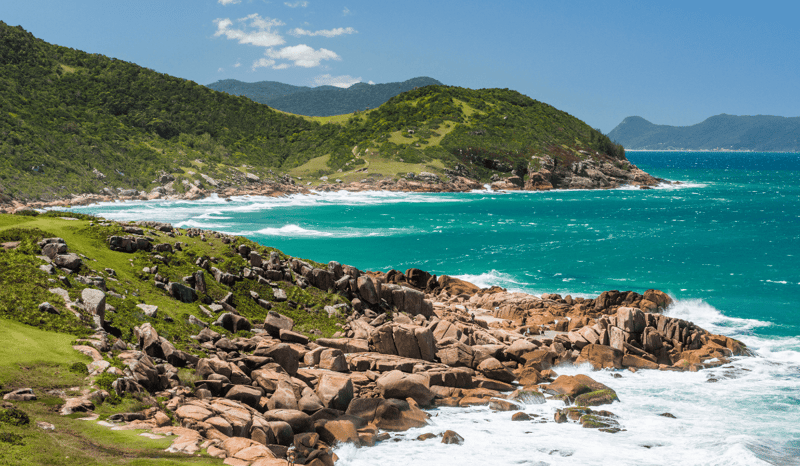
Some places are more than just beautiful coastlines. They are lifelines for wildlife and living examples of how people and animals can thrive together. Santa Catarina Nursery, along Brazil’s southern coast, is one of those places. And we’re proud to share that it has officially been designated a Whale Heritage Area, becoming the second Whale Heritage Area in Latin America!
This recognition celebrates not only the whales and dolphins who depend on these waters, but also the local communities whose leadership has made protection, education, and responsible tourism possible.
A Nursery That Whales Have Trusted for Generations
Every year between July and November, Southern right whales make an extraordinary journey from their feeding grounds near the South Georgia Islands to the calm, shallow coves of Santa Catarina. They come here to do something essential: give birth and nurse their calves.
These waters are naturally protected, with shallow depths and sheltered coves that keep calves safe from predators and allow mothers to rest. In many places, whales swim within 100 feet of the shore, offering breathtaking moments for people, without disturbing the animals themselves.
This is why Santa Catarina is known as “where whales are born,” and it’s exactly the kind of place that deserves lasting protection.
From Whaling to Wildlife Protection
Not long ago, whales along this coast were hunted, with the last Southern right whale in Santa Catarina killed in 1973. Today, Southern Right whales have returned and are protected, celebrated, and respected.
To protect mothers and calves, the region once prohibited boat-based whale watching and instead embraced land-based viewing. That choice reduced stress on animals while still allowing people to connect with wildlife in meaningful ways, and it helped shape a thriving, community-led ecotourism model.
Santa Catarina’s Whale Heritage Area designation recognizes this shift and the people who made it possible.
Why Wildlife Heritage Areas Are the Alternative to Captivity
For too long, wildlife tourism has relied on captivity—keeping wild animals in tanks, enclosures, or controlled encounters that prioritize entertainment over well-being. Wildlife Heritage Areas offer a better way forward.
These protected, community-led destinations show that:
- Wild animals belong in the wild, expressing natural behaviors in natural habitats
- Local communities benefit directly from conservation, education, and responsible tourism
- Travelers gain deeper, more authentic experiences, grounded in respect rather than exploitation
Instead of removing animals from the wild to bring people closer to them, Wildlife Heritage Areas invite people (11 million annually) to meet wildlife on their terms. The result is better well-being for animals, stronger local economies, and tourism that aligns with conservation.
Part of a Growing Global Movement
Whale Heritage Areas are part of the broader Wildlife Heritage Areas network, co-founded by World Cetacean Alliance and World Animal Protection. Each site is independently assessed by species and habitat experts to ensure strong conservation standards and meaningful community leadership.
Santa Catarina Nursery now stands among places around the world proving that protecting wildlife and supporting people are not competing goals—they’re deeply connected.
Real Protection Still Requires Real Commitment
Even in places like Santa Catarina, challenges remain. Whales and dolphins face threats from vessel strikes, noise pollution, harassment from jet skis and helicopters, chemical runoff, entanglement in fishing gear, and increasing coastal development.
Artificial light and noise can disrupt migration routes and threaten nursery areas meant to keep calves safe. Wildlife Heritage Areas help communities advocate for smarter development and long-term protections, but they require ongoing support.
Help Protect Wildlife Where They Belong
Wildlife Heritage Areas don’t just protect animals. They help shift the global conversation away from captivity and toward coexistence.
Your support helps World Animal Protection expand this work, strengthen protections for wild animals globally, and partner with communities who are choosing conservation over exploitation.
Donate today to support Wildlife Heritage Area work and help keep wild animals in the wild, where they belong.