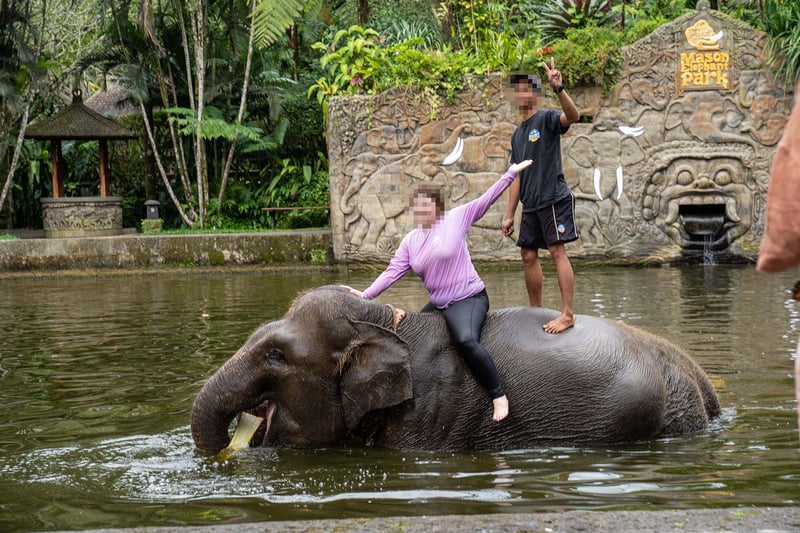
In a landmark move for animal protection, Indonesia has ordered an end to elephant rides in Bali.
Indonesia’s forestry authorities have recently called for an end to elephant rides at attractions across Bali, a decision driven by growing concerns about the welfare of elephants used in tourism.
The directive, which led Bali Zoo and the notorious Mason Elephant Park to end elephant riding, reflects a broader shift away from exploitative animal entertainment toward more ethical wildlife experiences.
This is a welcome step in a region where tourism has too often prioritized visitor thrills over elephant well-being. By banning elephant rides, countries are finally recognizing the physical and psychological toll these practices inflict on these remarkable animals.
Why Ending Elephant Rides Matters
At first glance, elephant riding might seem like a fun, memorable travel experience, but decades of research (including by World Animal Protection) and frontline animal protection work show the harsh reality behind these attractions:
- Harsh training practices: Elephants are often subjected to painful and stressful methods, such as “the crush,” to make them compliant with human interaction.
- Physical harm from rides: Carrying people for long periods on hard surfaces leads to serious foot, nail, and joint issues—some so severe they can require euthanasia.
- Psychological trauma: Highly intelligent and social, elephants forced into tourism frequently develop stress‑related behaviors (such as zoochosis) and other signs of distress.
Ending elephant rides removes one of the most harmful practices in wildlife tourism and opens the door to experiences that let elephants be elephants—engaging in natural behaviors like grazing, bathing, and socializing with others of their kind without interacting with tourists.
Elephants Are Cruelly Bred for Profit
The Bali decision comes at a critical moment for global wildlife. Our Bred for Profit report estimates that at least 5.5 billion animals are bred each year for use in exploitative industries, including entertainment and tourism.
Among these are elephants bred specifically for tourism in Southeast Asia—animals whose lives are shaped not by wild herds and natural habitats, but by the demands of human entertainment. In Thailand alone, nearly 3,000 elephants lived in tourism venues as of 2020, with two-thirds of them living in horrific conditions according to our latest Bred to Entertain report, released in January 2025.
And it’s a system that not only causes profound suffering for elephants in captivity—the stress, injury, and psychological harm—but also misleads visitors into believing they’re engaging in a benign or even “supportive” activity when, in fact, they’re fueling a global industry of exploitation.
What We’re Doing and What Still Needs to Happen
World Animal Protection has long been on the ground working with venues across Asia to shift away from harmful practices like riding. By helping transform camps into elephant‑friendly, observation‑only venues, we’re proving that tourism can be ethical, educational, and economically viable—without inflicting harm on these sentient animals.
But institutional shifts like Indonesia’s directive to stop elephant rides are equally critical. Government action sets the baseline for what’s acceptable, and it empowers authorities to hold facilities accountable when welfare standards are ignored.
Yet this is only the beginning.
How You Can Be Part of the Change
- Support ethical tourism: Choose wildlife experiences that center observation and education—such as Wildlife Heritage Areas—not rides, performances, or forced interactions.
- Raise awareness: Share stories of change like Bali’s ban and the realities behind animal tourism.
- Join our movement: World Animal Protection’s petitions and campaigns call on governments and corporations to protect elephants and end cruel entertainment practices.
Elephants belong in the wild. And with every policy decision and shift in tourist demand, we’re taking steps closer to that reality. Together, we can push for systemic change that respects animals’ lives rather than profits from their suffering.