Hearst Magazines has gone fur-free, taking a major step to protect animals and set a new standard in fashion.
The Hearst Corporation joined the growing chorus of cruelty‑free fashion leaders by committing to ban the promotion of animal fur across all its publications. That means iconic titles—including Cosmopolitan, ELLE, and Harper’s BAZAAR—will no longer feature new fur in their editorials or advertising. This is a decision that speaks volumes about changing values in fashion.
Hearst’s move isn’t just a symbolic gesture. It reflects—and amplifies—a deeper transformation underway in the global fashion industry. For the animals who have suffered for centuries, exploited for their fur, it offers a glimmer of hope.
From Runways to Publishing Houses: A Wave of Fur‑Free Momentum
Hearst’s decision joins a growing number of key victories in the fight against fur.
- Most recently, New York Fashion Week (NYFW) officially banned fur from its runways. This marks a major win for animals—a sign that when we demand change, institutions listen.
- Shortly before that, Condé Nast—the publisher behind Vogue, Vanity Fair, GQ, and others—announced it will no longer feature new animal fur in its editorial content or advertising. This shift moves the fur‑free conversation into the heart of luxury publishing.
- Years earlier, the state of California banned the sale and production of new fur products statewide, becoming a landmark example of what is possible when legislation meets compassion.
- Meanwhile, other global fashion events are expanding their ban beyond fur. Copenhagen Fashion Week—one of the world’s leading fashion weeks—has removed wild animal skins and feathers from its runways, a powerful statement against the exploitation of crocodiles, snakes, ostriches, and more.
This cascade of changes demonstrates a broader truth: we are witnessing a paradigm shift where fashion no longer relies on animal cruelty. Style and compassion can—and must—go hand in hand.
Why This Matters—For Animals, People, and the Planet
The fur trade is not just a matter of outdated tradition or questionable fashion taste. It’s a global industry built on suffering—and it carries consequences far beyond the lives of the animals involved.
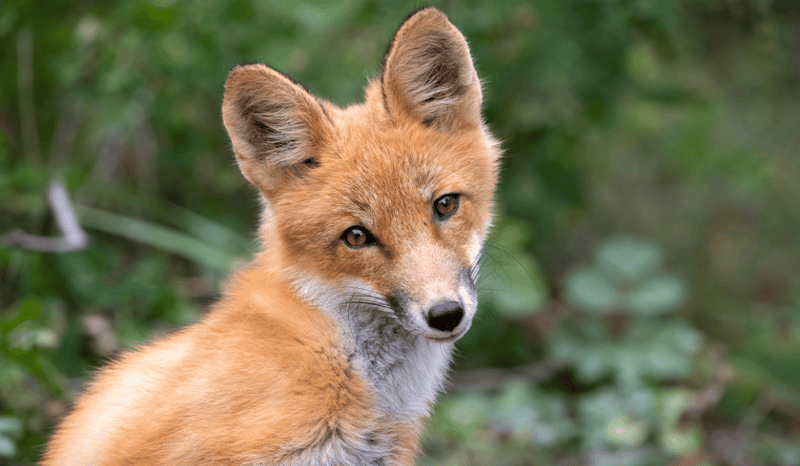
- The victims of the fur trade are often animals born into confinement: mink, foxes, raccoon dogs, chinchillas, and more. Their lives—cramped, stressful, and woefully inhumane—end violently, often through brutal slaughter methods.
- Beyond cruelty, fur farming poses grave risks to public health. Crowded, unsanitary farms are potential breeding grounds for zoonotic diseases—threats that humanity can no longer ignore.
- Even beyond fur, the exploitation of wild animal skins and feathers (from crocodiles, snakes, ostriches, birds) is viciously destructive—both to individual lives and to biodiversity and ecosystems. The bans at events like Copenhagen Fashion Week show how all wildlife-based “fashion” is tied to suffering
Rejecting fur is more than a stylistic choice. It’s a moral and ecological decision. It’s about choosing a future where fashion doesn’t cost lives.
Why Now Is the Time to Ban Mink Farming in the US
The progress from Hearst, NYFW, Condé Nast, and fashion weeks around the world shows that public attitude toward fur is changing fast. But as long as mink farms operate—as long as any species is bred, confined, and killed for their fur—cruelty remains in the fashion industry.
That’s why at World Animal Protection US, we’re calling on lawmakers: pass the Mink VIRUS Act to end mink farming nationwide.
- Doing so would protect animals from unimaginable suffering;
- It would also reduce the risk of future zoonotic disease outbreaks linked to fur farms;
- And it would send a clear signal: the US stands with consumers, designers, and brands who believe in cruelty‑free fashion.
What You Can Do—and Why It Matters
- When you see fur (or animal skins, feathers) in ads, on runways, or in stores—question it. Share information. Amplify the cruel reality faced by fur-bearing animals.
- Support brands and retailers that commit to cruelty‑free and sustainable alternatives. Faux fur, plant-based leathers, and recycled materials are not only possible, they’re increasingly available.
- And most importantly: contact your representatives. Urge them to support legislation to ban mink farming and other cruel practices.
We have the momentum. We have the public support. And we have the moral urgency. What we need now is the political will to turn progress into protection.
The world of fashion is changing, but for animals, the work isn’t done. Every fur‑free runway, every cruelty‑free magazine page, every compassionate consumer choice brings us one step closer to a future where animals are valued for who they are—not what they can become.
Want to take further action? Become a monthly donor to World Animal Protection today so we can keep the momentum to end the fur trade going!