
With travel to Costa Rica up 90% year-over-year, visitors flock to its national parks and cloud forests. Learn how to travel responsibly to Costa Rica while protecting animals and their homes.
Costa Rica is having a major travel moment. New data from Tripmasters shows more travelers than ever are booking trips to the country, drawn by its lush rainforests, extraordinary wildlife, and reputation as a global leader in eco-tourism. Demand for travel to Costa Rica has increased 90 percent year-over-year between 2024 and 2025, with regions such as Arenal Volcanic Park and the Monteverde Cloud Forest Reserve being highly sought-after destinations.
Costa Rica recently ranked second in the Wanderlust Readers’ Travel Awards, according to The Tico Times—a testament to its global appeal. However, as tourism grows, so does the responsibility to ensure wildlife and natural habitats are truly protected, not exploited, and Costa Rica continues to step up.
Supporting Eco-Tourism That Puts Animals First
Costa Rica is home to nearly six percent of the world’s biodiversity—an extraordinary figure for a country that makes up just a fraction of the planet’s landmass. From cloud forests to coastlines, its landscapes shelter millions of species, including jaguars, scarlet macaws, sloths, sea turtles, and countless amphibians and insects found nowhere else on Earth.
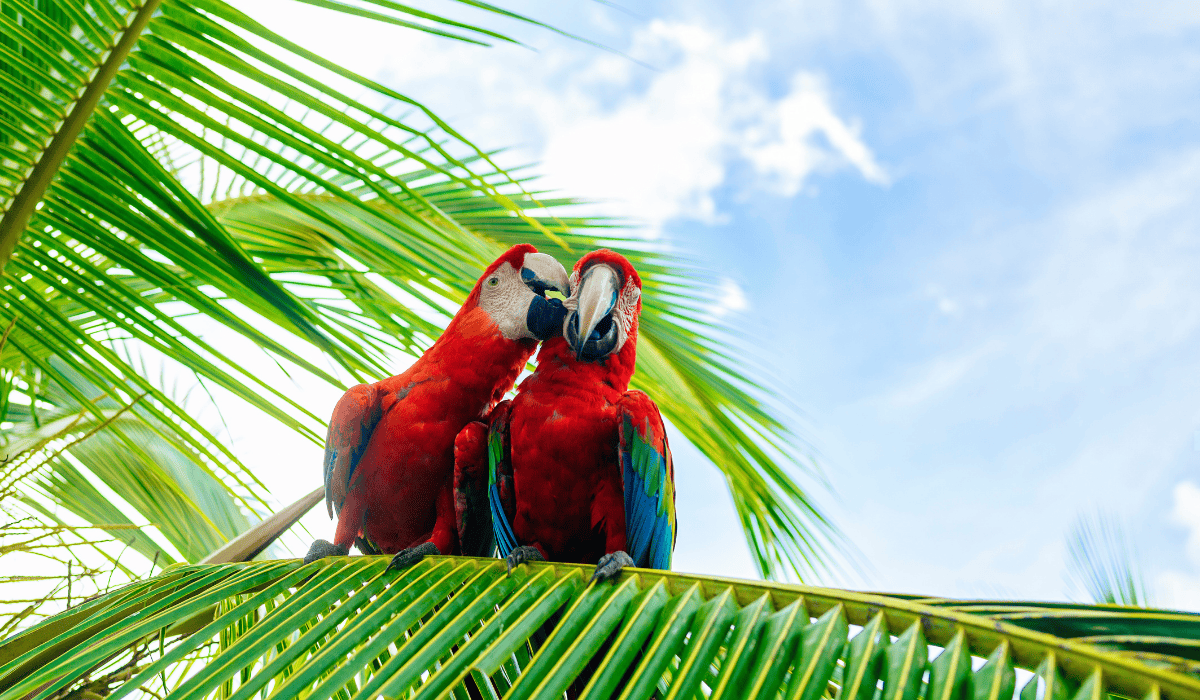
Roughly a quarter of the country is protected through national parks, biological reserves, and conservation areas—one of the highest proportions of protected land in the world. Costa Rican authorities take protecting wildlife very seriously, recently launching a nationwide “Holy Week” operation designed to prevent poaching and the illegal removal, hunting, transport, captivity, and trade of wild plant and animal species. During this operation, authorities will focus on National Parks, which often see an uptick in visitors during one of the busiest travel periods of the year. This commitment has positioned Costa Rica as a global leader in conservation and a model for what environmentally conscious tourism can look like.
But eco-tourism only works when it truly puts animals and ecosystems first.
When done right, tourism can fund habitat protection, support park rangers and local communities, and create economic incentives to preserve wildlife rather than exploit it. Visitors who choose responsible tour operators, avoid hands-on, exploitative wildlife experiences, and respect animals’ natural behaviors help ensure that Costa Rica’s reputation as an ecotourism destination reflects real protection on the ground.
As travel demand continues to rise, maintaining that balance is critical. Growth should never come at the expense of wildlife well-being. Costa Rica has shown the world what’s possible when animals are embedded into national policy. Now, the future of eco-tourism depends on strengthening those protections—ensuring wild animals remain where they belong: in the wild.
Costa Rica’s Wildlife Heritage Areas: Protecting Animals and Inspiring Responsible Travel
Costa Rica is breaking new ground, particularly in marine wildlife protection. The Golfo Dulce Wildlife Heritage Area on the South Pacific coast is a tropical fjord where both northern and southern humpback whales migrate to give birth, and resident dolphin species thrive year‑round.
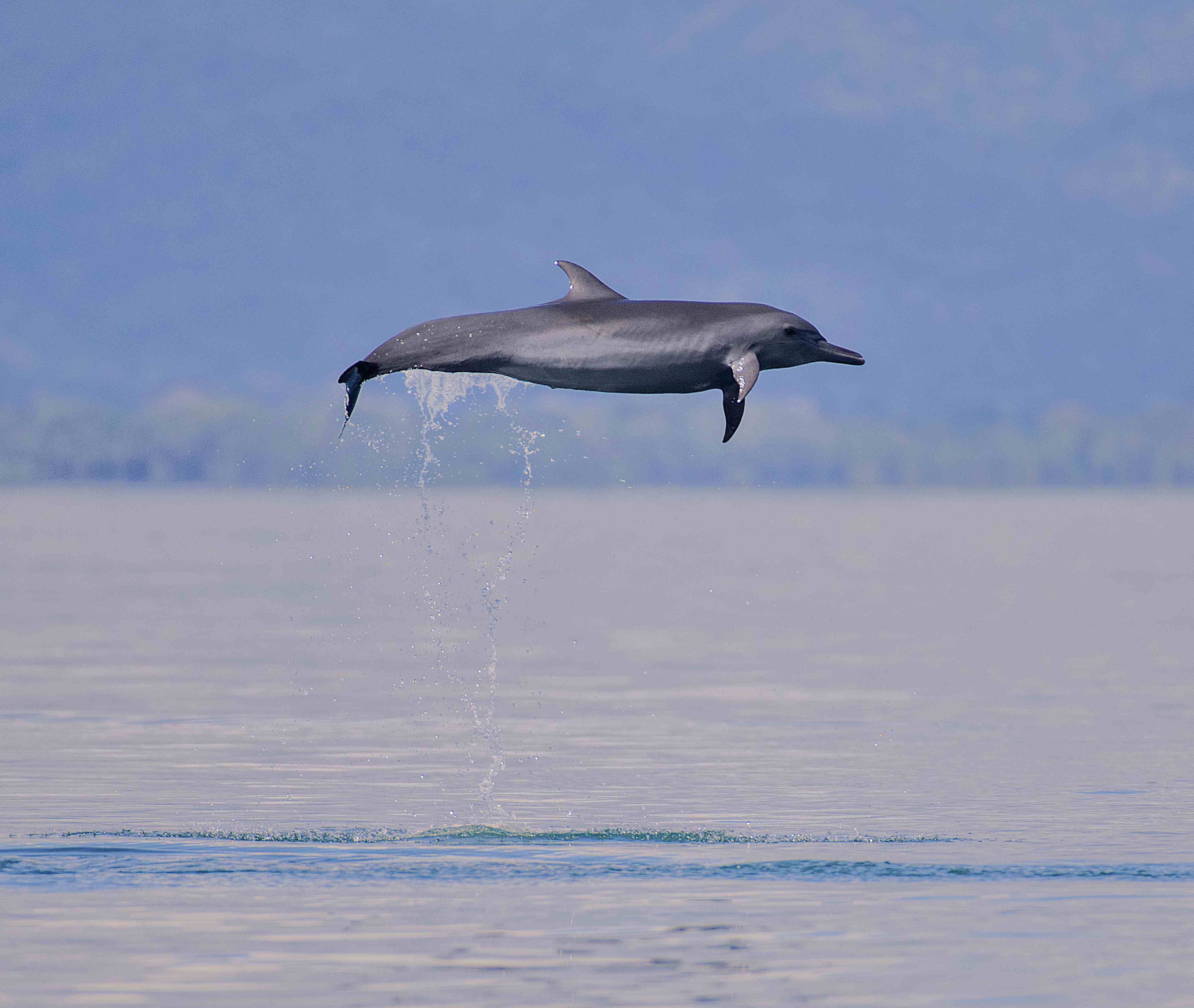
Golfo Dulce Wildlife Heritage Area. Photo: Dave Hamilton
Designated as a Wildlife Heritage Area through a partnership between World Animal Protection and World Cetacean Alliance, Golfo Dulce sets the standard for responsible wildlife tourism. Tours follow strict guidelines to minimize disturbance, and community initiatives like the Golfito Whale Festival engage locals in conservation efforts.
Other areas, like Tapir Valley (a current applicant for Wildlife Heritage Areas), showcase the same principle: eco-tourism that benefits animals, communities, and habitats simultaneously. These destinations prove that travel can celebrate wildlife without exploiting it.
Wildlife Heritage Areas redefine tourism: animals aren’t attractions, they’re sentient beings whose well-being is central to sustainable travel. Costa Rica is showing the world how it can be done—and how travelers can help make it happen.
How Destinations Can Become a Wildlife Heritage Area
Wildlife Heritage Areas are a commitment to putting animals first while supporting local communities and sustainable tourism. Any destination that prioritizes wildlife, protects habitats, and engages local people in conservation can apply to become a Wildlife Heritage Area.
The process starts with a thorough assessment of the site’s animal populations, habitats, and tourism practices. Areas that demonstrate responsible wildlife experiences, enforce strict guidelines to prevent exploitation, and actively involve communities in conservation are strong candidates. Support from local authorities, businesses, and residents is essential to ensure the long-term success of the designation.
Destinations in Costa Rica—like Tapir Valley or other protected reserves—have already begun this journey, but the opportunity extends far beyond its borders. From coral reefs in Belize to savannahs in Kenya, regions worldwide can aspire to the Wildlife Heritage Area standard, combining wildlife protection, community engagement, and sustainable tourism.
By becoming a Wildlife Heritage Area, a destination sends a clear message: tourism can celebrate wildlife without exploitation, and visitors can enjoy authentic, ethical wildlife destinations, observing animals in the wild. It’s a blueprint for the future of travel—one that prioritizes protection, respect, and lasting impact. Tour operators: apply today!
Tips for Wildlife-Friendly Travel in Costa Rica

Traveling to Costa Rica is a chance to witness incredible biodiversity, but it also comes with a responsibility to protect the animals and their habitats, and to respect the locals. Here’s how you can make your trip truly wildlife-friendly:
- Choose responsible tour operators. Look for companies certified in sustainable tourism and wildlife protection. Tours that follow strict guidelines, such as no-touch policies for animals and regulated boat distances, help ensure animals remain safe and stress-free.
- Observe, don’t touch. Wild animals belong in their natural habitats. Avoid attractions that allow direct interaction, like holding sloths, swimming with captive dolphins, or taking photos with restrained wildlife. True wildlife experiences let you watch animals behaving naturally.
- Support conservation-focused accommodations. Stay in eco-lodges or hotels that actively protect wildlife, manage waste responsibly, and support local communities. Your choice of lodging can directly fund habitat protection and conservation projects.
- Respect habitats and wildlife behavior. Keep a safe distance, follow park rules, and avoid disrupting nesting sites, feeding areas, or migration paths. Even small actions, like not feeding animals and ensuring garbage and food are picked up, can prevent harm to ecosystems.
- Give back to local conservation efforts. Consider donating to or volunteering with organizations protecting Costa Rica’s wildlife. Supporting park rangers, community projects, and Wildlife Heritage Areas helps ensure animals thrive for generations to come.
By traveling responsibly, you’re not just enjoying Costa Rica’s natural wonders, you’re helping protect them. Want more animal-friendly travel tips? Check out World Animal Protection’s Wildlife-Friendly Travel Guide today.