The American Heart Association’s Plant-Forward Guidelines Are a Win for Animals and People
Blog
A quiet but significant battle is playing out in America’s nutrition landscape, and the science is clearly on the side of animals.
Earlier this year, the Trump administration released its 2025–2030 Dietary Guidelines for Americans. The guidelines called for Americans to prioritize protein-rich meals, including red meat, and to consume full-fat dairy with no added sugars—a dramatic departure from decades of public health advice. A panel of nutrition experts had actually recommended in late 2024 that Americans eat less saturated fat and meat, but those findings were largely set aside.
Now, the nation’s foremost heart health authority is pushing back.
The American Heart Association Steps Up
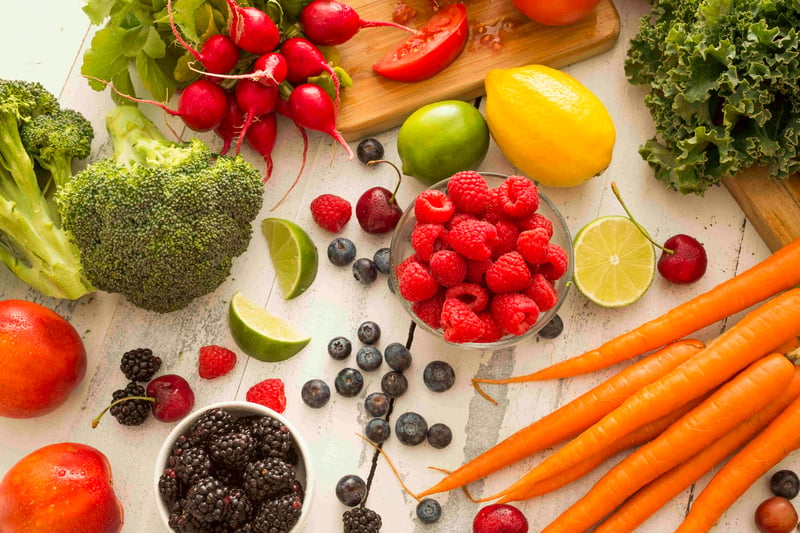
The American Heart Association released updated dietary guidelines emphasizing plant-based proteins over meat, promoting a diet rich in vegetables, fruits, and whole grains, and recommending limiting sugar, salt, ultra-processed foods, and replacing full-fat dairy with non-fat or low-fat options.
This is a meaningful step. The American Heart Association’s 2021 guidance had recommended choosing “mostly protein from plants,” but the 2026 edition doubled down on plant protein, with the organization explicitly stating: “Shift from meat to plant sources.”
The science backing this position is robust. Dietary patterns higher in plants and lower in red and processed meat have been associated with lower cardiovascular disease and coronary heart disease risk. In fact, replacing red meat, including lean, unprocessed meat, with healthier sources of protein—especially plant sources—improves cardiovascular disease risk factors.
What’s at Stake for Human Health
More than half of American adults have some type of cardiovascular disease, and this is projected to rise to 60% by 2050. Heart disease remains the leading cause of death in the United States. These aren’t abstract statistics—they represent millions of families.
The federal guidelines’ embrace of red meat, beef tallow, and full-fat dairy directly contradicts what cardiologists—and the Centers for Disease Control (CDC)—have been telling patients for decades. The new American Heart Association guidance recommends using plant-derived oils such as those from nuts, seeds, and avocados instead of saturated fats. The United States Secretary of Health and Human Services, Robert F. Kennedy, Jr., has previously touted beef tallow as a healthy source of fat, a claim most nutrition experts reject.
As NYU nutrition professor Marion Nestle noted in Scientific American, the focus on protein in the new federal food pyramid is “a euphemism for meat and red meat at that.” She added that plant sources of protein are healthier—a position firmly backed by the American Heart Association’s own guidance.
The Hidden Victims: Animals
At World Animal Protection, we can’t discuss dietary guidelines without talking about who is most directly harmed by policies that promote ever-increasing meat consumption: the billions of animals living in factory farming systems.
Every federal guideline that normalizes high meat intake—that places red meat at the center of the dinner plate—creates cultural and economic pressure that leads to more animals suffering in factory farms. Farmed animals are sentient beings with complex emotional lives and deep capacity for joy, fear, and pain. They are not protein delivery systems.
When the federal government tells Americans they need more red meat, it isn’t a true health recommendation—it’s an endorsement of a powerful industry desperate to maintain the status quo, which confines animals in cruel conditions, denies them the ability to engage in natural behaviors, and treats their lives as having no intrinsic value whatsoever.
The federal push to increase meat in school meals puts the next generation—and animals—at risk. But students, families, and advocates aren’t standing by. The Plant Powered School Meals Coalition is working to expand nutritious plant-based options in K-12 cafeterias across the country, and their work is already making a difference.
The Planet Deserves a Seat at the Table Too
Industrial animal agriculture is one of the largest drivers of greenhouse gas emissions, deforestation, water pollution, and biodiversity loss on the planet. When powerful institutions like the American Heart Association align with plant-forward eating, they also advance something larger than cardiovascular health—they make the case for a food system that is gentler on animals and the Earth.
The federal guidelines, shaped partly by the agricultural industry’s enormous political influence, chose to ignore this. The American Heart Association's science-based guidance did not.
What You Can Do
The good news is that you don’t need to wait for a government food pyramid to tell you the right thing to do. The American Heart Association’s guidance is clear, the research is clear, and your fork is one of the most powerful tools you have.
Moving toward a plant-rich diet—centering legumes, whole grains, vegetables, nuts, seeds, and fruits—is one of the most impactful choices you can make for your health, for animals, and for the planet. You don’t have to be perfect. Every meal that shifts away from animal-based foods is a step toward compassion for both animals and your body.
At World Animal Protection, we know a healthy future for people and a compassionate future for animals are not competing visions—they are the same vision. The American Heart Association, perhaps unintentionally, just made our case.
Ready to take action for animals and your health? Join World Animal Protection's Plant-Powered Changemakers community for tips, vegan recipes, and the latest on how your food choices protect animals and the planet.