Moving the Menu
Explore our scorecard report rating popular chain restaurants in the US.
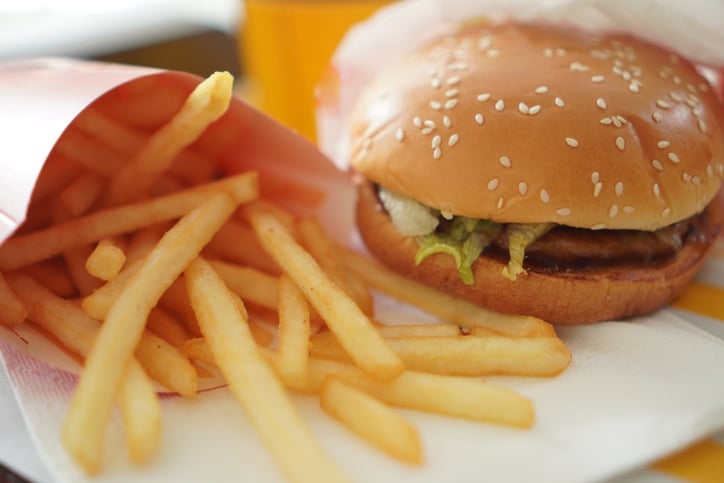
McDonald’s serves millions of meals every day, shaping how people eat and how food systems impact animals, the climate, and the environment.
Across the globe, World Animal Protection teams are calling on McDonald’s to take meaningful steps to reduce its reliance on animal-based products. In Australia, our colleagues have raised serious concerns about how McDonald’s sources meat, primarily from intensive feedlots, and the impacts on animals and the environment. This is an emerging trend in Australia, but about 90% of cows killed for food in the US are raised on cruel feedlots that pollute our air and water. We’re telling McDonald’s there’s a better way.
In the United States and beyond, the solution is clear, scalable, and already within reach: a major shift toward plant-based menu options.
Animal agriculture, especially exploiting cows for beef, has a significant environmental footprint and drives climate change, habitat loss, and animal suffering.
Plant foods have a much smaller footprint—requiring fewer resources while meeting consumer demand for delicious, nutrient-rich food.
Despite its global presence and public-facing commitments to sustainability, McDonald’s offers limited and inconsistent plant-based options across markets. But, the future of our food system is more plant foods.
McDonald’s must make plant-based options a permanent and accessible part of the menu.
Explore our scorecard report rating popular chain restaurants in the US.
World Animal Protection is calling on McDonald’s to significantly expand plant-based menu options across its US restaurants, and we need you!
Plant-based options will reduce McDonald’s reliance on cruel and destructive animal products—like those produced in feedlots, give consumers real choice, and help drive a more humane and sustainable food system.