EXPOSED: Dead Parrots, Filthy Cages, Birds Crammed into Cages at Pet Store Suppliers
Filthy, crowded cages. Dead baby birds. Birds suffocated to death. This is the reality for parrots in the pet industry. Hundreds of thousands of parrots are bred in mills and shipped to pet stores across the US every year.
An undercover investigator documented appalling cruelty at four US Department of Agriculture-licensed bird mills in Oklahoma and Texas:
- Fancy Parrots, Los Fresnos, TX (USDA Certificate #74-A-1593)
- Ervin, Betty, and Gladys Plett, Boley, OK (USDA Certificate #73-A-2875)
- Arden and Carol Plett (USDA Certificate #73-A-2860), Checotah, OK
- Janessa Plett (USDA Certificate #73-A-2861), Checotah, OK
Parrot Factory Farms
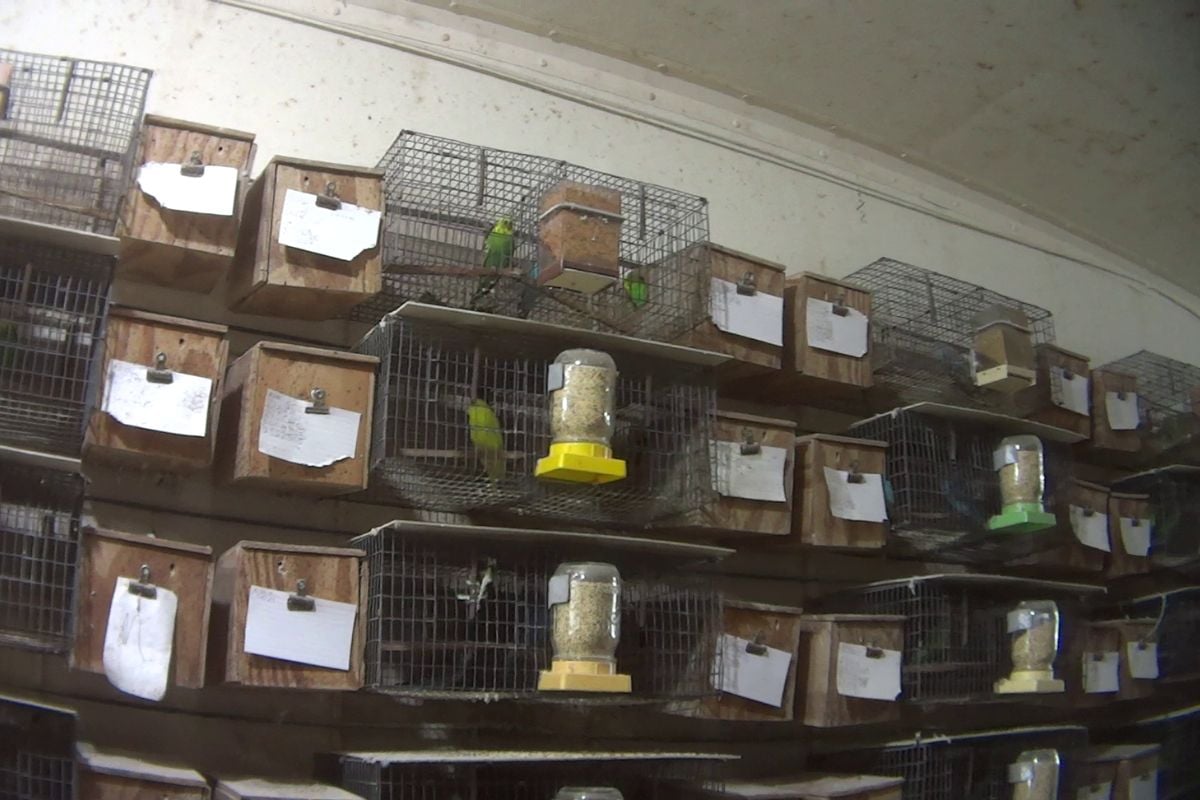
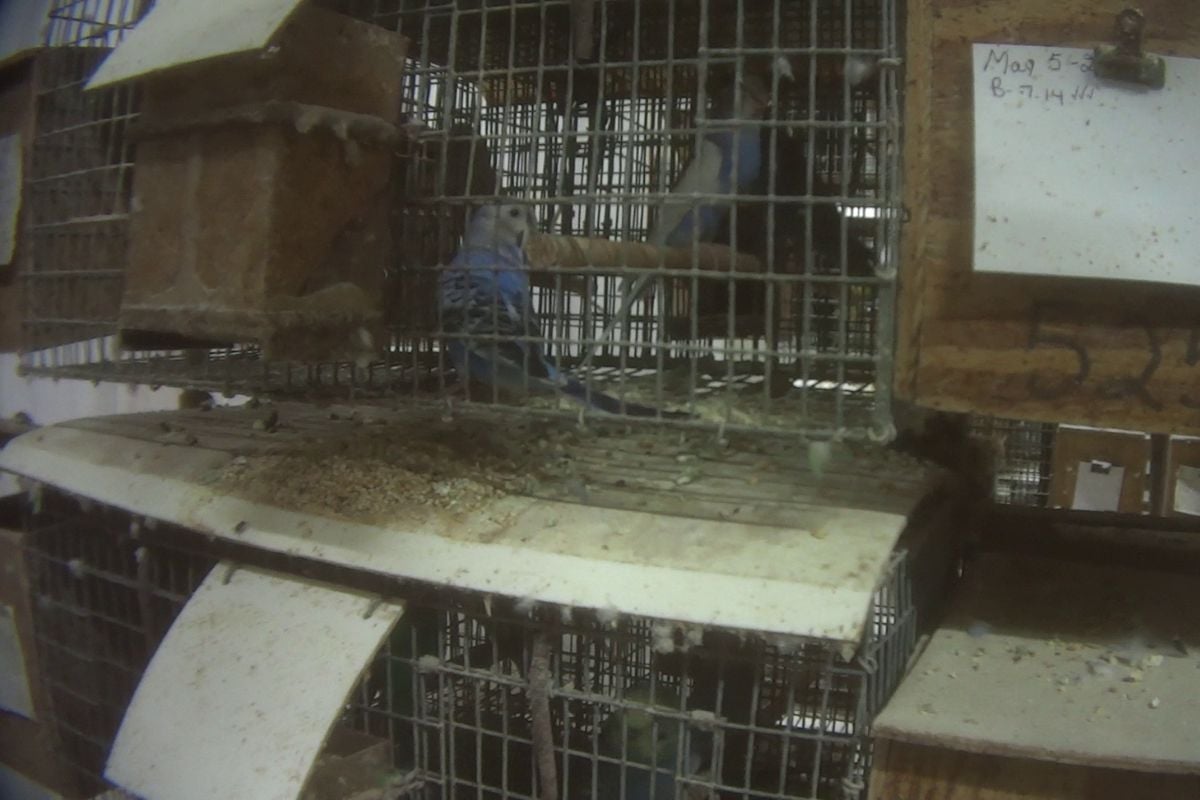
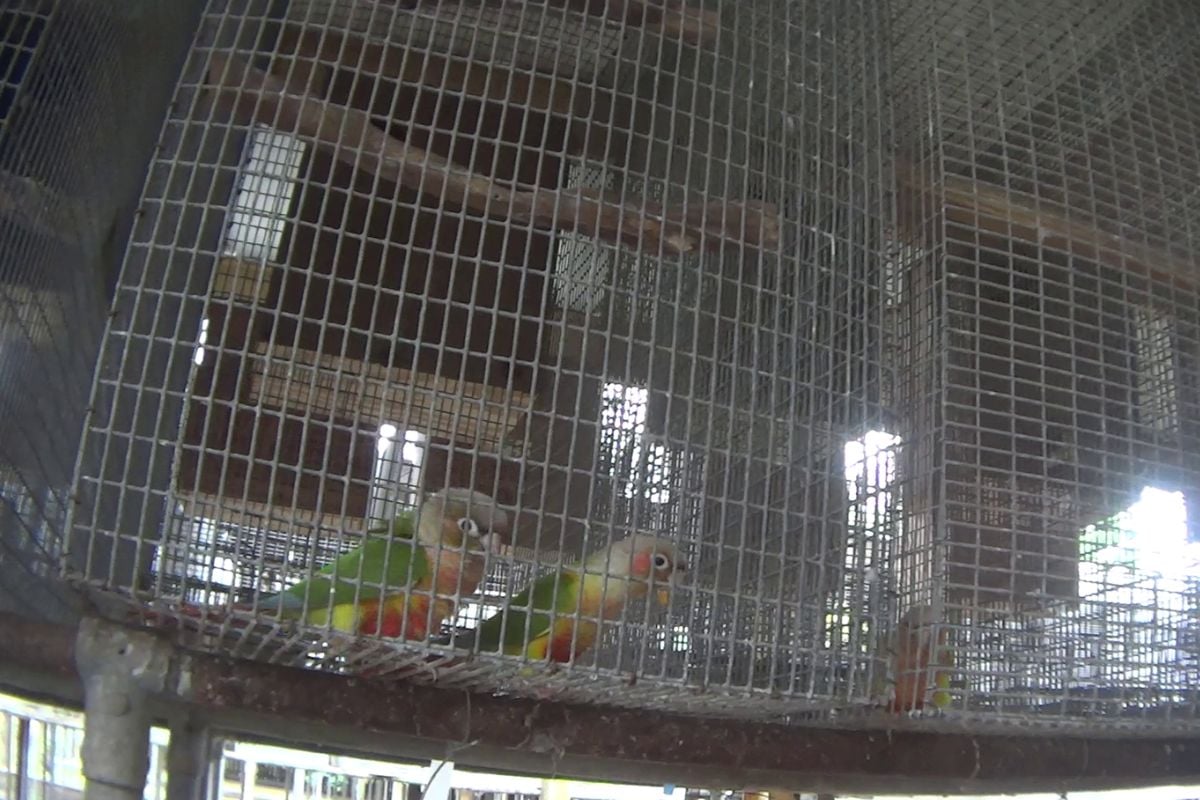
Budgies, commonly called “parakeets,” are the most commonly bred and traded parrots in the country. At budgie mills, thousands of budgies are crammed into feces-coated cages in small barns.
This is factory farming with parrots.
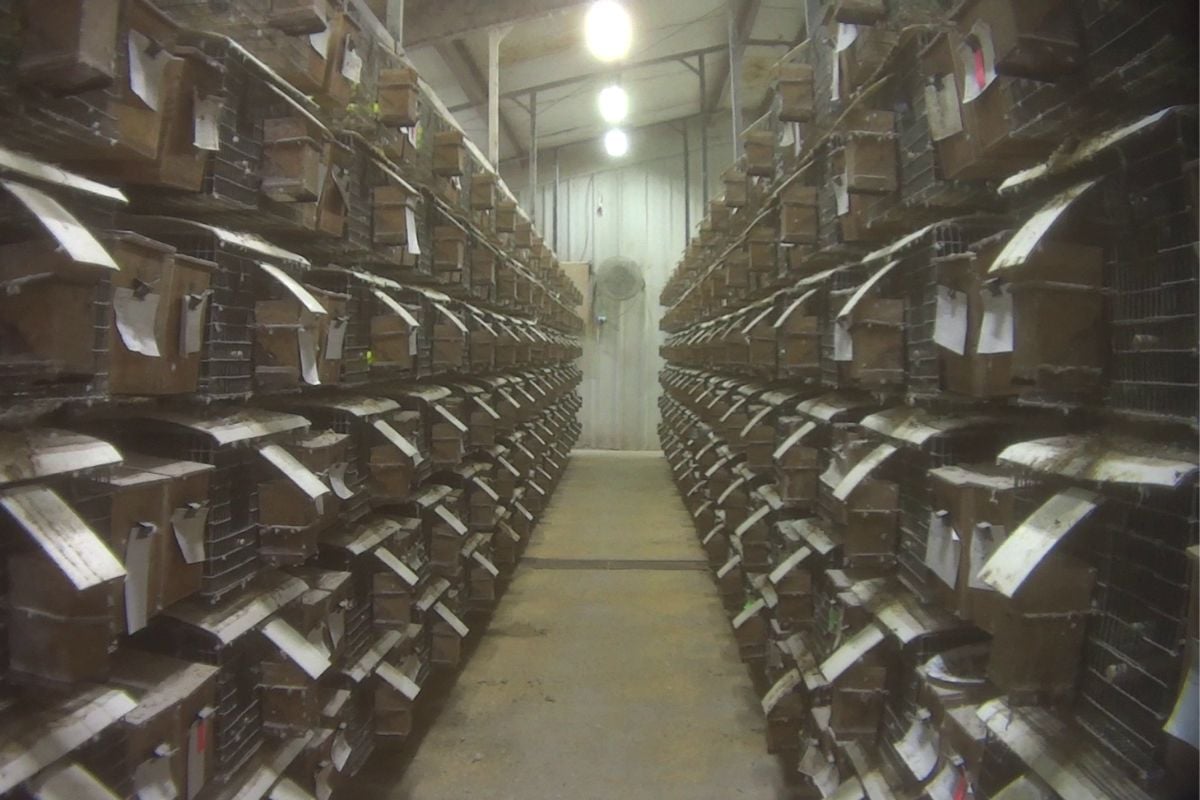
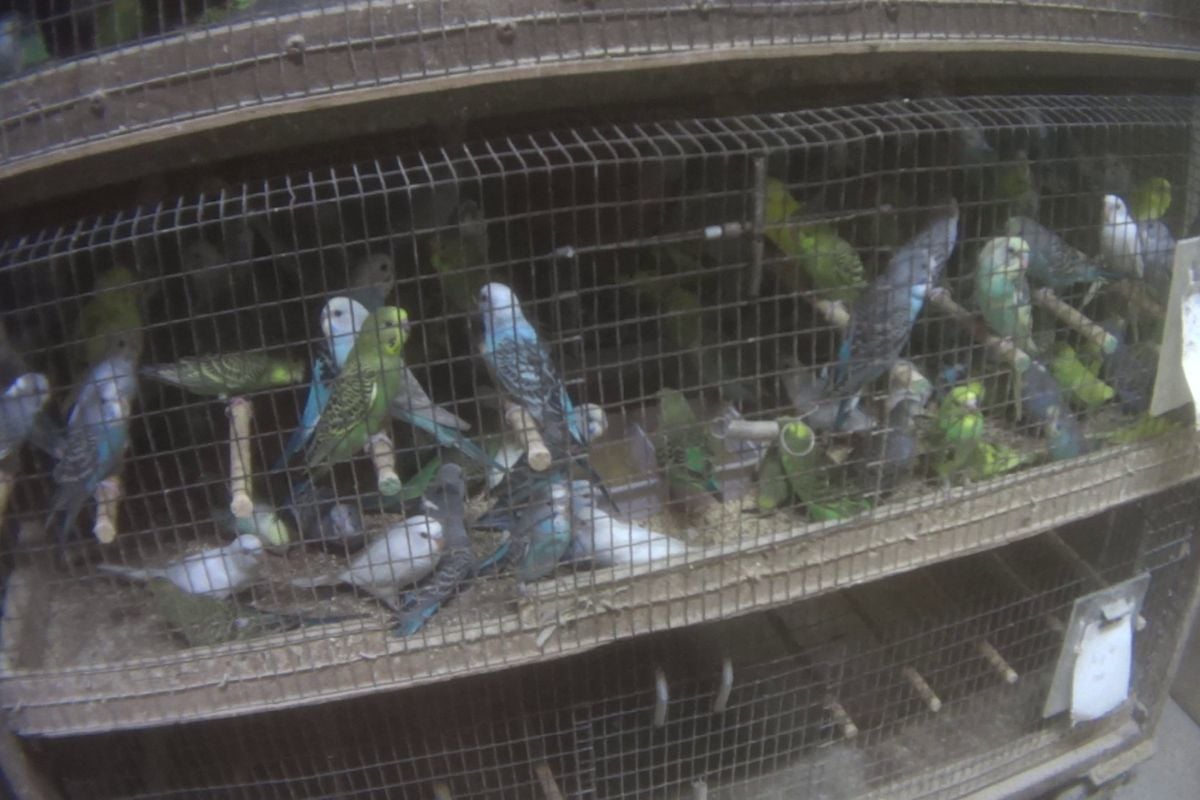
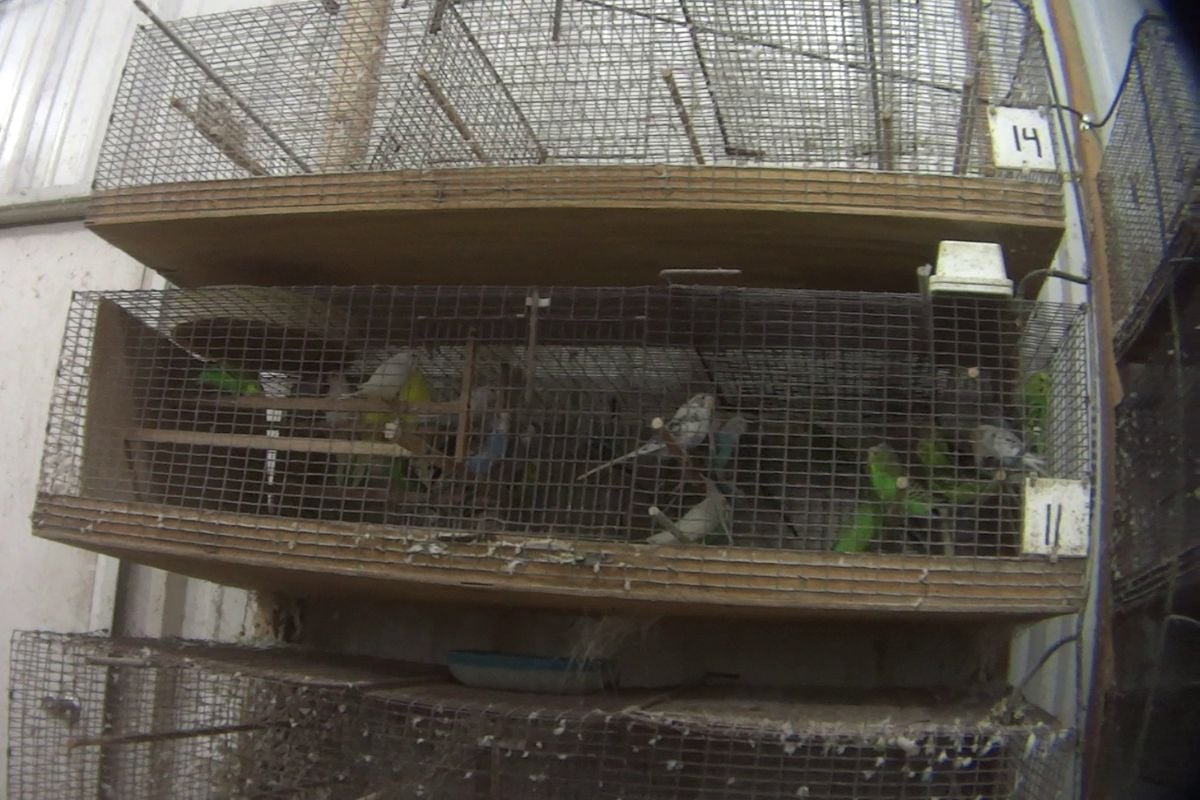
In the wild, budgies live in the wide-open scrublands of Australia, where they can fly for hundreds of miles and flock with hundreds of other birds. In mills, these small parrots are held in tiny wire cages.
Though the US Department of Agriculture requires enrichment, the birds had only a wooden perch for entertainment. Highly inquisitive and social, parrots need environments that allow them to express natural behaviors like foraging, interacting, and problem-solving.
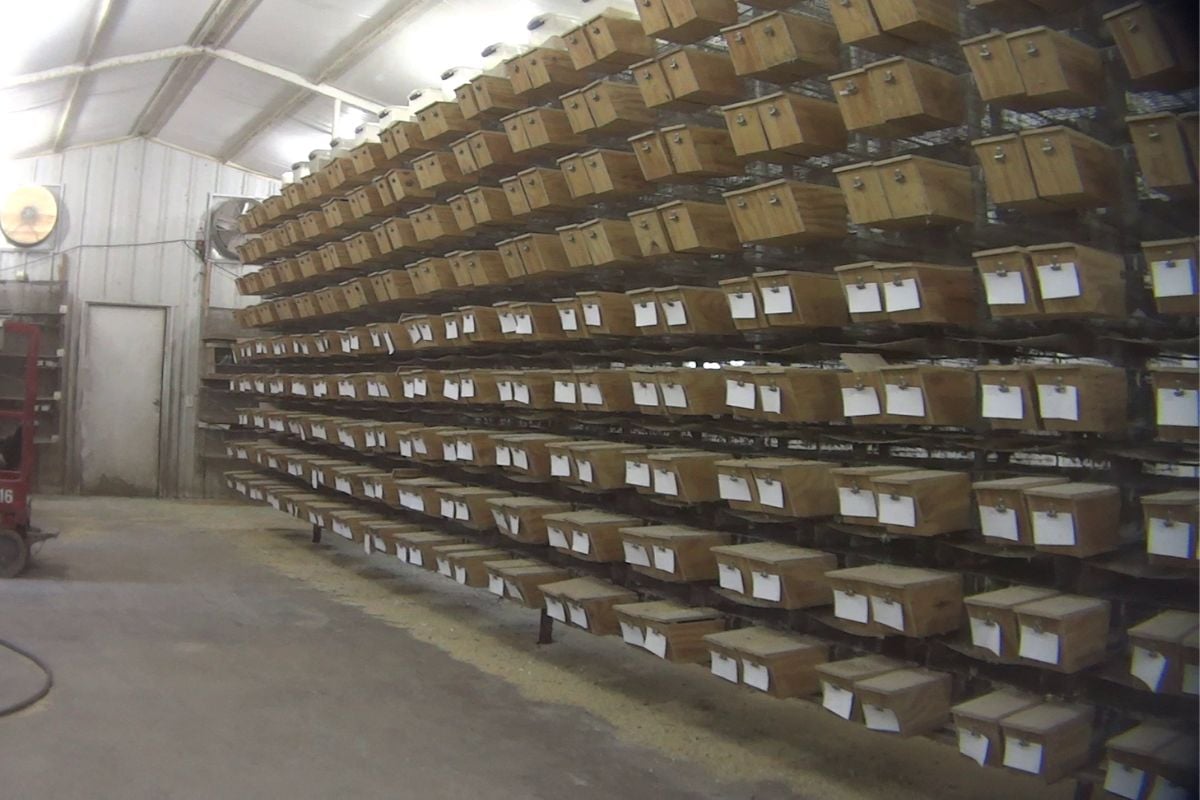
Parrots Trapped in Overheated Barns
In 2024, the US Department of Agriculture cited the Checotah mill for keeping parrots in a blistering hot barn with a heat index of 110.7 degrees. A government inspector found multiple dead birds, while others—panting and unable to stand—were close to death.
Suffocated to Death
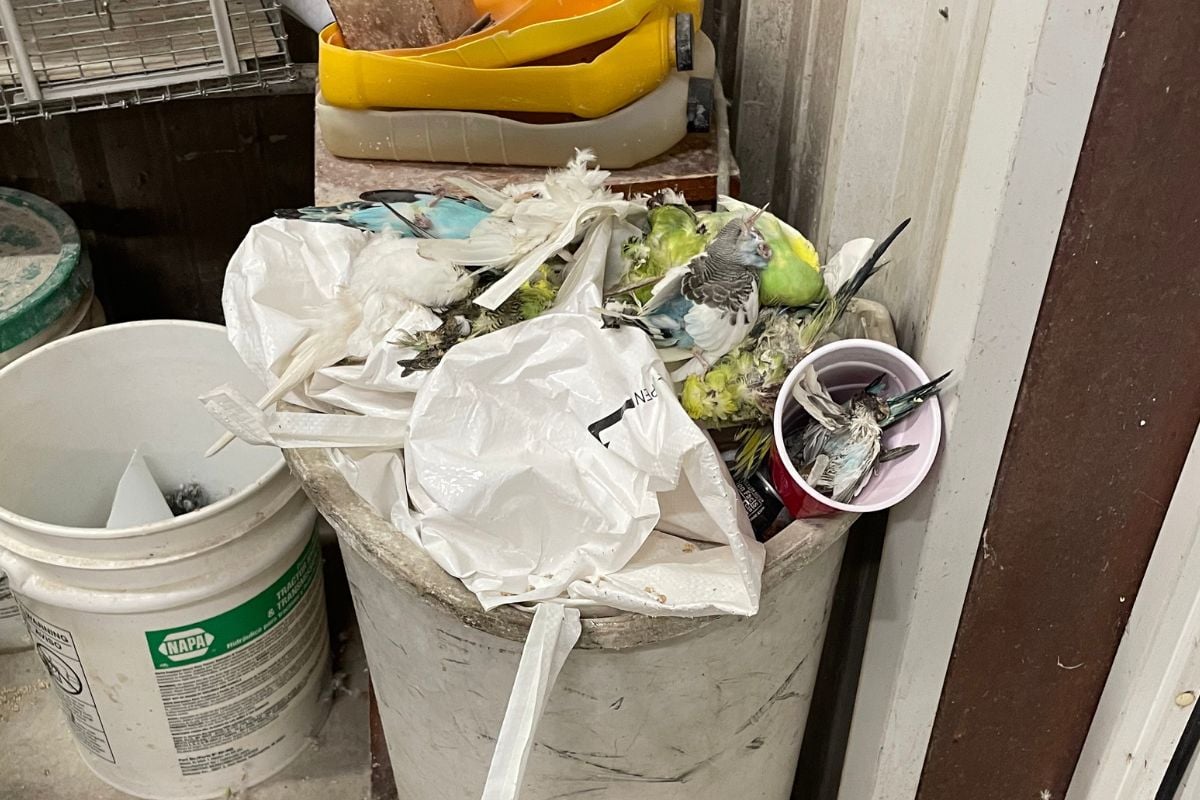
There was a garbage can overflowing with dead parrots at the Boley mill. The owner admitted to the investigator to killing birds by suffocating them in a plastic bag. He explained that the birds sometimes “pick” at one another, and buyers don’t want “picked” birds.
Trapped with Dead Rats and Exposed to the Elements
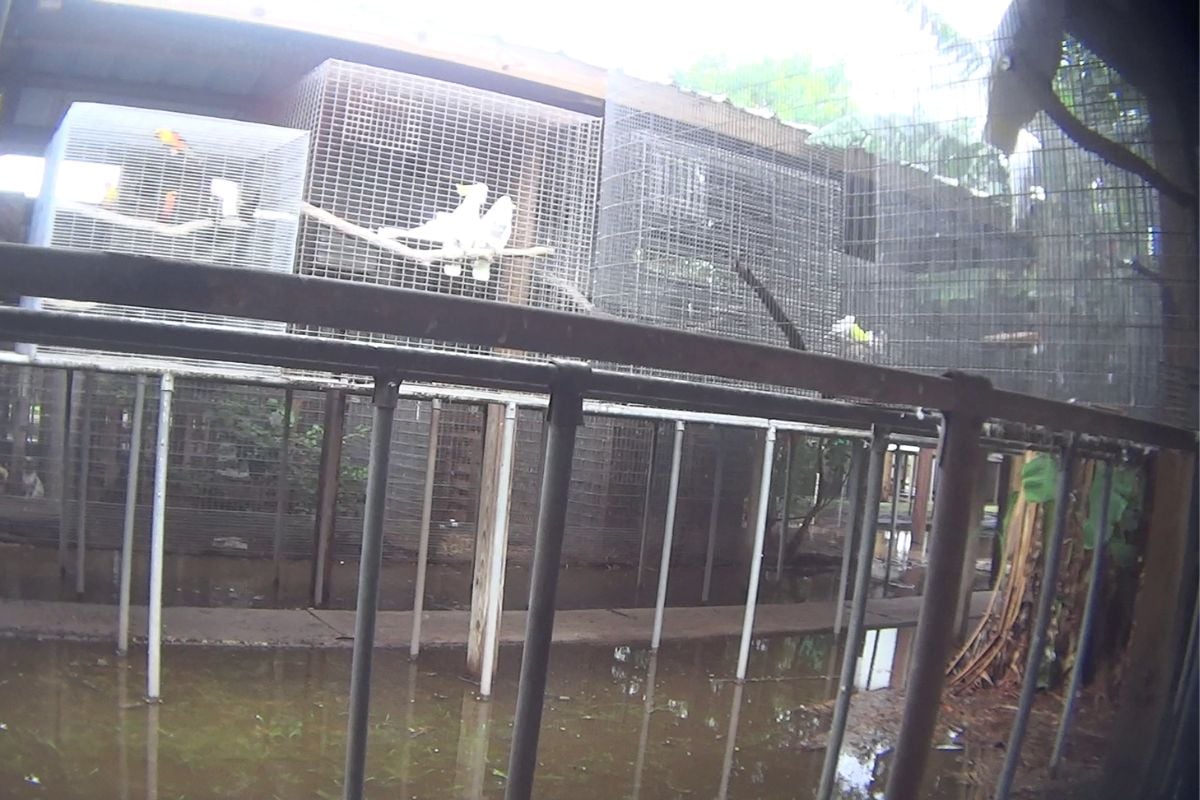
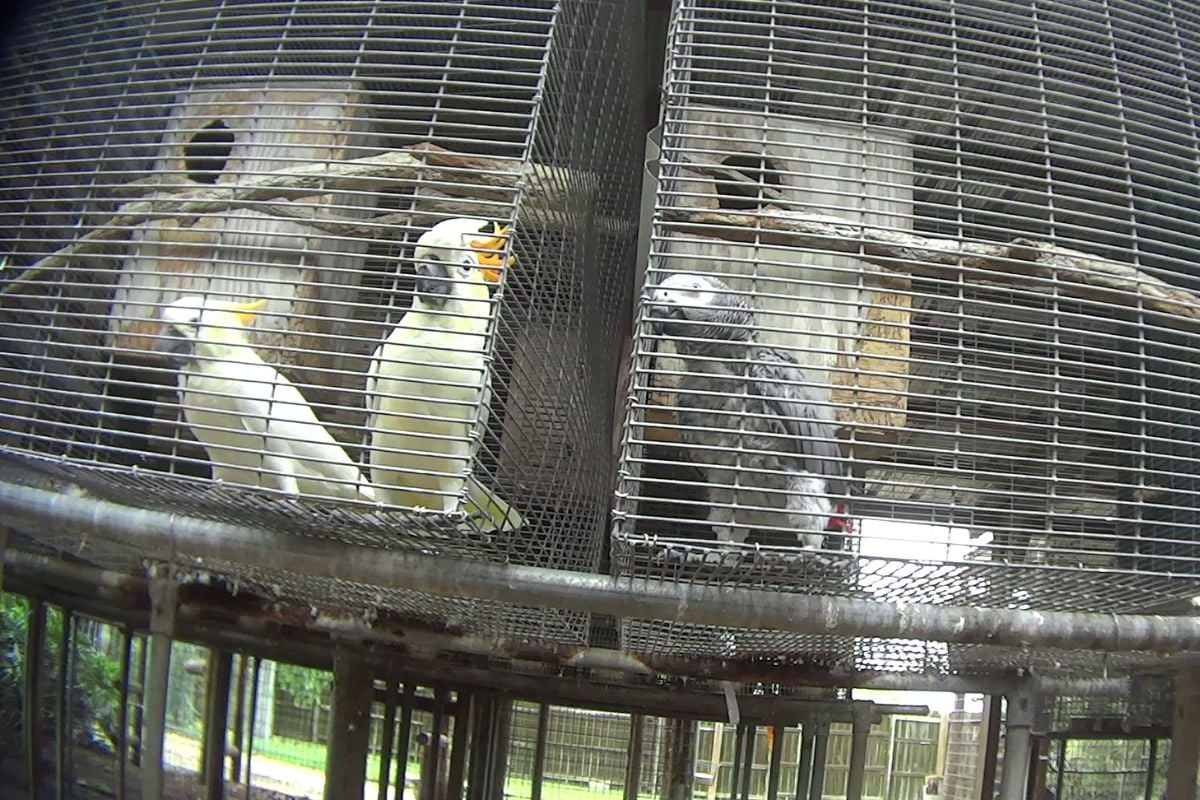
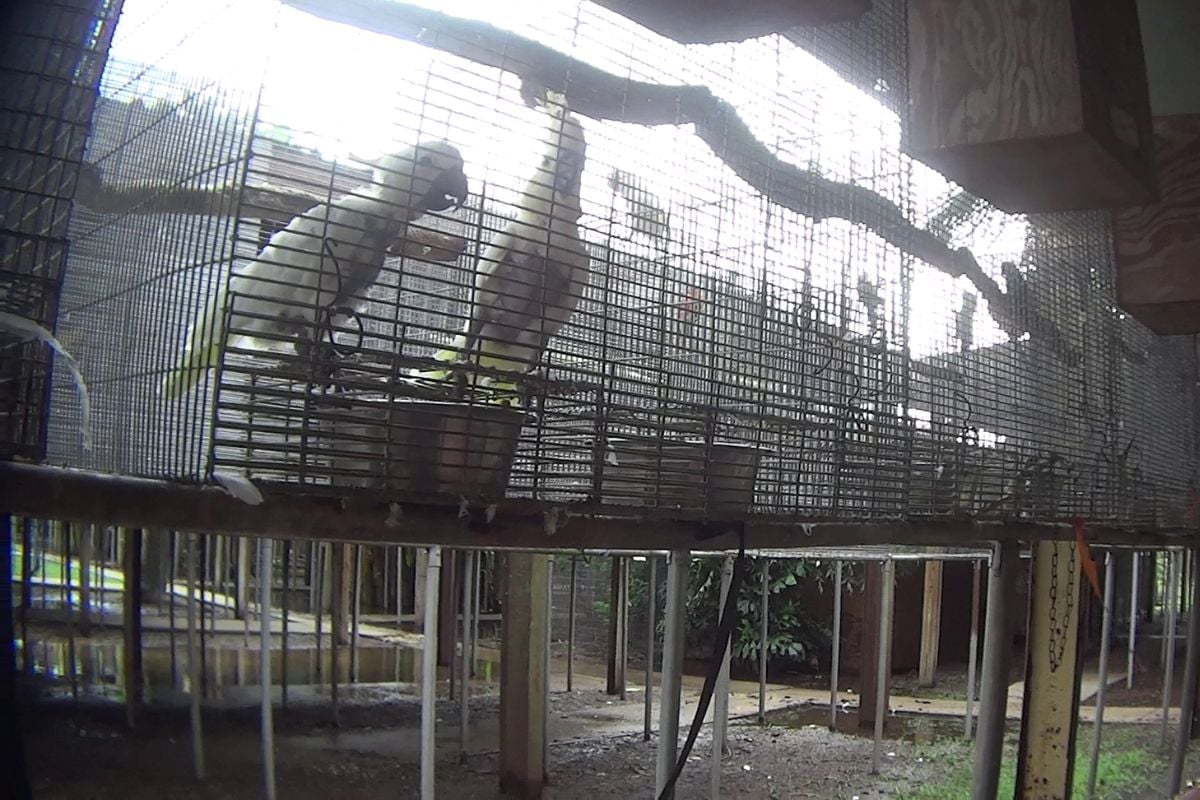
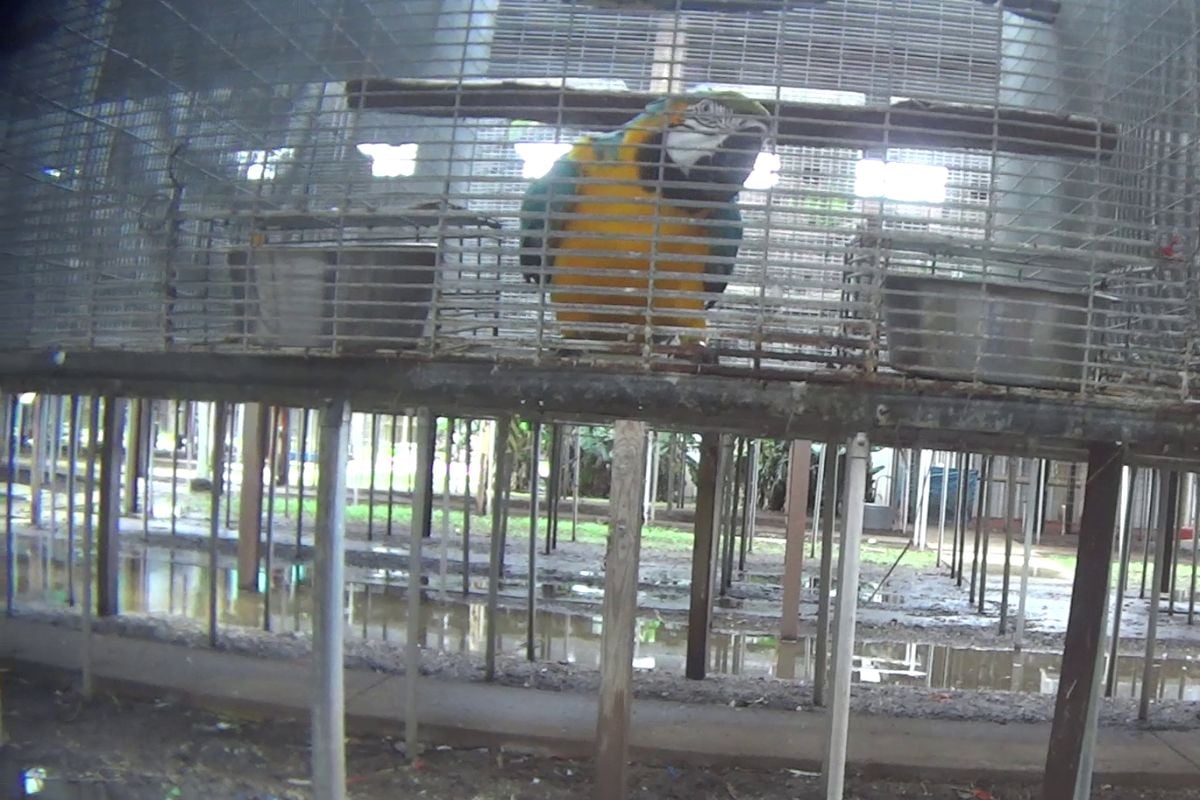
At Fancy Parrots, many parrot species, including cockatoos, sun conures, and African grey parrots, are kept in outdoor cages on metal stilts, leaving them vulnerable to the elements. The investigator was told that many parrots died one winter during a freeze.
The cages' bottoms were badly rusted. Similar to the mills in Oklahoma, birds trapped inside had no enrichment. Most nesting boxes had spiderwebs and eggs in the cracks; many had holes chewed partially through from the inside. One macaw cage contained dead and living rats.
A Miserable Life
Multiple birds at Fancy Parrots had significant feather loss. The investigator was told it was from plucking, a common form of self-mutilation in captive birds, and a symptom of psychological distress.
Fueling a Rescue Crisis
As mills flood the US with parrots, sanctuaries and rescues are in crisis. Few accredited parrot sanctuaries exist in the US, and most rescues and shelters don’t accept birds. The rescue community is overwhelmed with requests from people who want to surrender their parrots.
That’s because birds don’t belong in cages. Parrots are exceptionally social; they’re meant to fly through wide-open skies and roost with large flocks. Isolated and caged in human homes, many parrots develop challenging behaviors such as self-mutilation (feather plucking), screaming, and biting.
Help shut down cruel bird mills:
- Tell Petco and PetSmart to stop selling birds.
- Download our toolkit that explains how to end the sale of birds and other animals in pet stores in your community.
- If you live in New York City, New York State, or Massachusetts, ask your legislators to ban the sale of birds in pet stores.