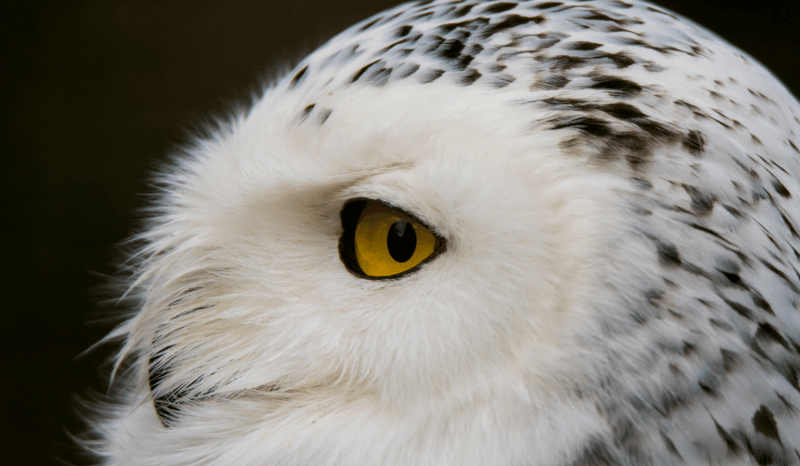
From Hedwig to Nemo, beloved on-screen animals fuel a dangerous surge in pet demand.
There’s a moment every animal lover knows: an animal appears on screen—luminous, majestic, utterly captivating—and something stirs in you. You want to reach through the screen and hold them. For millions of fans, that impulse doesn’t stay on the couch. It walks into a pet store. It opens a browser and searches “snowy owl for sale.” It buys a spotted puppy on a whim.
Movies and television shows have an extraordinary power to make us fall in love with animals. But that love, when it’s impulsive and uninformed, can devastate the very species we adore. From Indonesian bird markets to overwhelmed US shelters, the ripple effects of popular entertainment on animal well-being are real, measurable, and deeply troubling. And right now, with one of the most beloved franchises in history returning to our screens, we need to talk about it.
The “Hedwig Effect”: Owls and Harry Potter
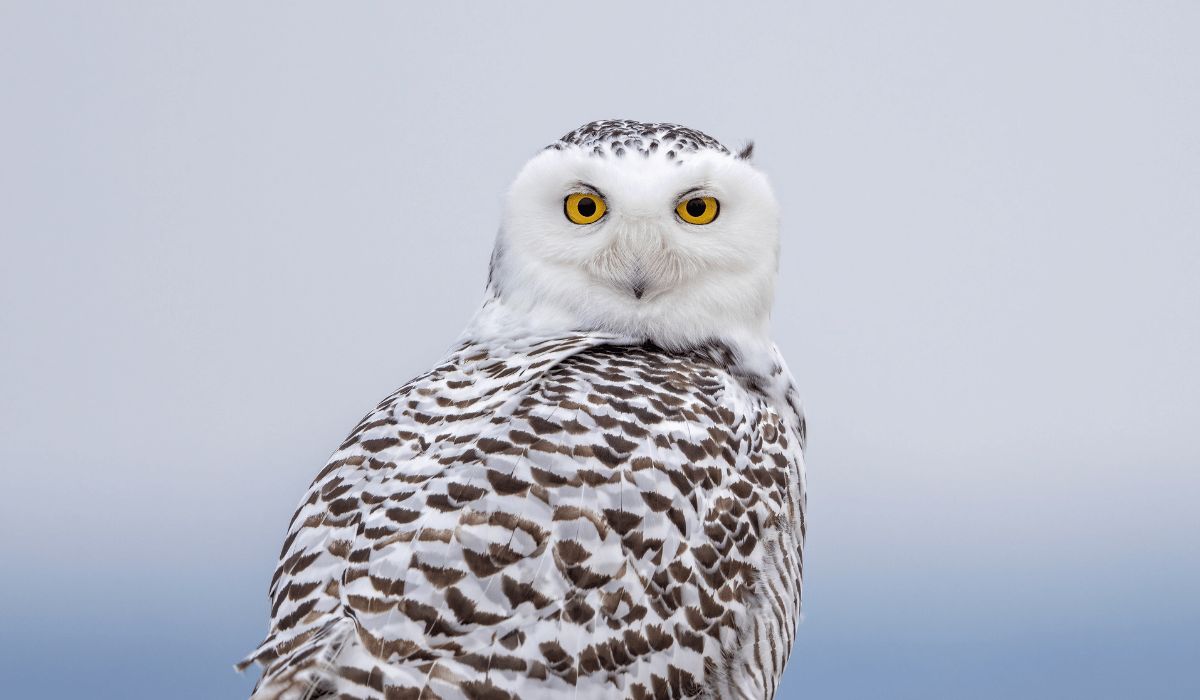
Few fictional animals have captured hearts the way Hedwig did. Harry Potter’s loyal snowy owl became a symbol of magic, companionship, and wonder—and for millions of fans around the world, she also became a shopping inspiration.
A landmark 2017 study published in Global Ecology and Conservation by researchers at Oxford Brookes University documented what scientists now call “The Harry Potter Effect.” In Indonesia’s bird markets—where hundreds of wild-caught species are sold—owls were rarely seen in the 1980s, 1990s, and early 2000s.
Traditionally known as Burung Hantu (“Ghost birds”), they appeared in surveys only one or two at a time, if at all. After the Harry Potter series arrived in Indonesia in the early 2000s, that changed dramatically. By 2012–2016, when researchers conducted 109 surveys across 20 bird markets in Java and Bali, they recorded an average of 17 owls per survey—a total of 1,810 owls—with owls present in over 90% of all surveys. The proportion of owls in Indonesian bird markets grew sevenfold between 2002 and 2008, suggesting a delayed Harry Potter effect.
In the larger markets in Jakarta and Bandung, 30 to 60 owls representing up to eight species could be found for sale at once. Researchers estimated that at least 12,000 Scops owls are being sold in Indonesia’s bird markets each year, in addition to thousands of larger species. Most of these owls are caught from the wild, making the trade largely illegal.
Tellingly, the owls are no longer called by their traditional name in these markets. They are now commonly referred to as Burung Harry Potter—“Harry Potter birds.”
The situation in the UK is more nuanced.
What happens to owls kept as pets? Researchers found it “particularly heartbreaking to see nocturnal animals like owls in the markets, looking stunned and stressed under the bright sun, often only fed water and rice.” Owls are wild animals with complex dietary, spatial, and behavioral needs that no home environment can meet. They suffer in captivity—and when owners inevitably discover this, they are abandoned.
Ghost, Nymeria, and the Great Husky Abandonment: Game of Thrones
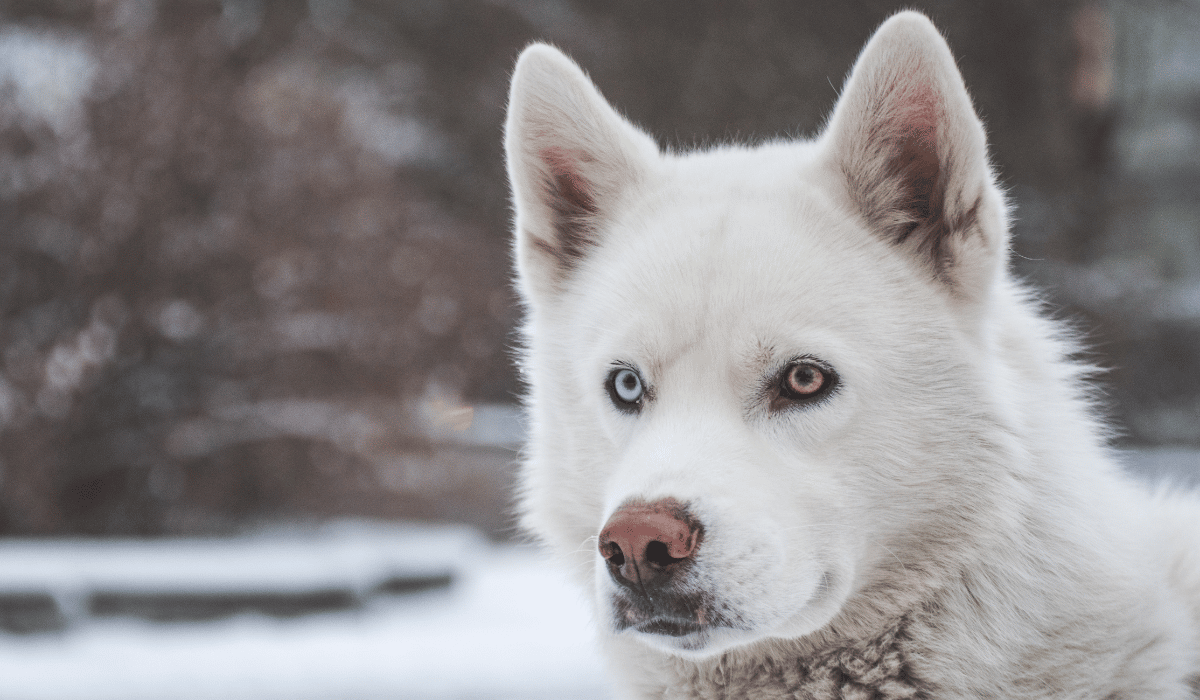
The Stark children’s beloved direwolves in Game of Thrones were played by Northern Inuit dogs, Siberian Huskies, and in later seasons, a real Arctic wolf. To fans, they were breathtaking. To animal shelters, they became a crisis.
Siberian Husky rescue groups across the US and UK report observing a significant increase in the number of abandoned Huskies in need of homes since 2011, when Game of Thrones debuted. The pattern was unmistakable: dogs arriving at shelters named Ghost, Nymeria, Summer, Shaggydog, Grey Wind, and Lady—the exact names of the show’s direwolf characters.
The numbers were staggering. In Northern California, the president of NorSled, a Husky rescue organization, said the number of Huskies coming into the group’s care had doubled since Game of Thrones began airing in 2011. In Riverside County, California, the number of impounded dogs who were Husky or Husky mixes jumped from 351, or 1.7%, in 2013 to 1,027—nearly 7%—in 2018. Animal Services officials called it “the Game of Thrones factor.”
Game of Thrones fan purchases even sparked interest in wolf-dog hybrids—mixes of wolf and domestic dog that are legal in some states and banned in others, with no approved rabies vaccine. These animals, with their powerful predatory instincts and resistance to commands, pose serious welfare and public safety concerns that no Hollywood fantasy can prepare an owner for.
The show’s own star, Peter Dinklage, issued a public plea: “Please, to all of Game of Thrones’ many wonderful fans, we understand that due to the direwolves’ huge popularity, many folks are going out and buying Huskies. Not only does this hurt all the deserving homeless dogs waiting for a chance at a good home in shelters, but shelters are also reporting that many of these Huskies are being abandoned.” Some shelter officials warned that animals with the behavioral problems caused by improper care would have to be euthanized because there were too many of them and too few homes.
The Nemo Effect: Clownfish and Finding Nemo
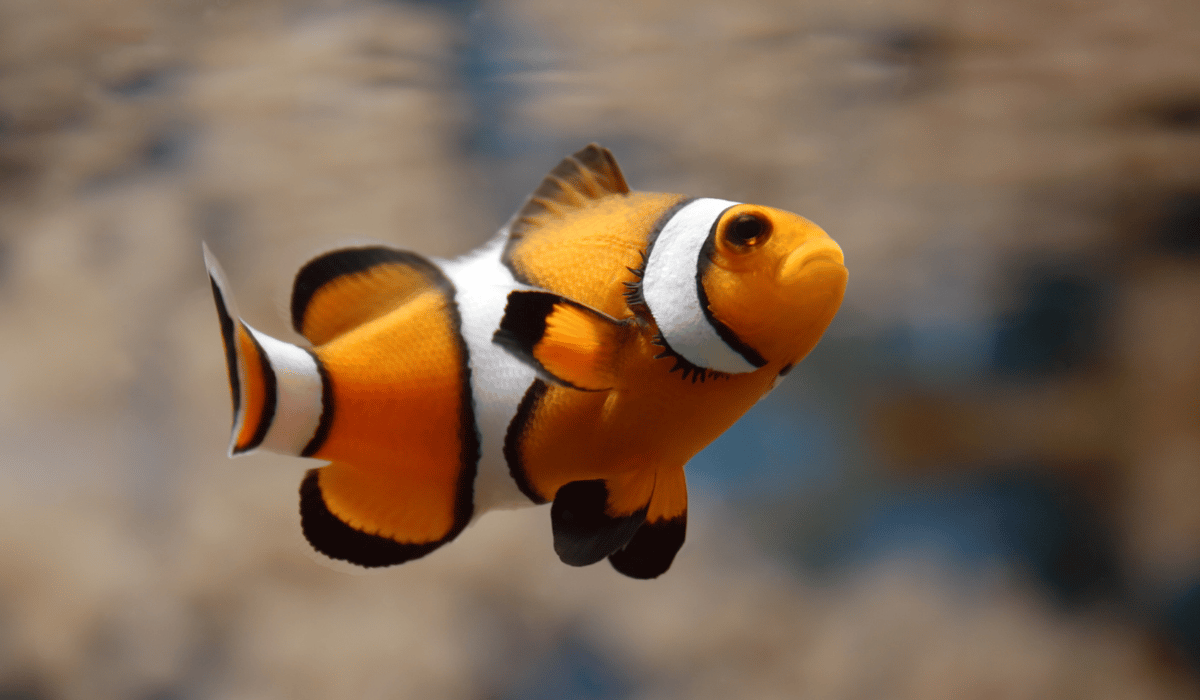
In 2003, Pixar released Finding Nemo—a film whose entire premise was about the tragedy of a wild fish taken from his reef home. The irony of what followed is almost unbearable. According to National Geographic, Finding Nemo caused home aquarium demand for clownfish to triple. Demand for tropical fish skyrocketed after the film's release, causing reef species decimation in Vanuatu and several other reef areas.
Over 1 million clownfish are taken from the ocean every year for aquariums. Approximately 90% of clownfish sold in the pet trade are wild-caught, meaning each “Nemo” purchased at a pet store represents an animal ripped from a coral reef ecosystem where they play a crucial ecological role.
The damage didn’t stop there. After seeing the film, some aquarium owners released their pet fish into the ocean but failed to release them into the correct oceanic habitat, introducing species harmful to indigenous environments—a practice that is damaging reefs worldwide.
It is worth noting that the science on media-driven demand is still evolving: researchers at the University of Oxford found that links between consumer demand for wildlife and blockbuster movies are not always straightforward, and that exposure to these movies can sometimes drive information-seeking behavior rather than purchases. But the documented reef destruction, combined with reports from aquarium dealers of massive post-film clownfish sales surges, makes one thing clear: the combination of cultural fascination and an inadequately regulated pet trade is a recipe for ecological harm—regardless of the precise causal chain.
101 Dalmatians: A Boom, a Bust, and a Body Count
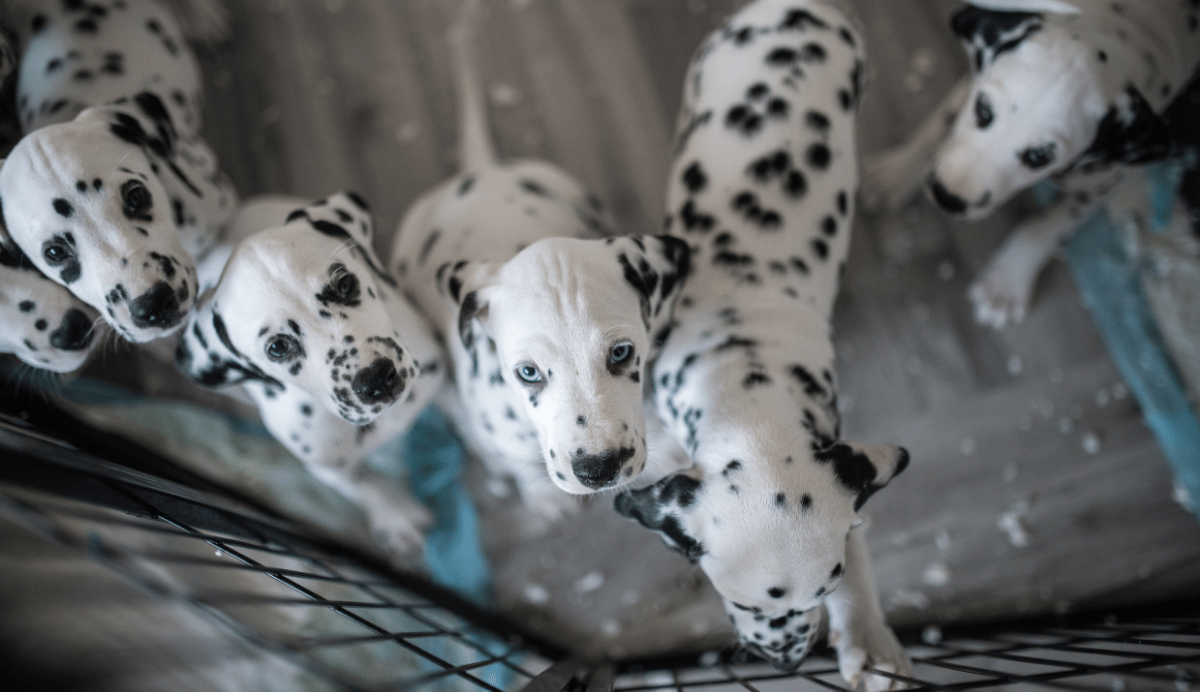
Disney’s 101 Dalmatians offers perhaps the most thoroughly documented example of entertainment’s devastating effect on a dog breed. In the eight years following the 1985 re-release of the film, the annual number of new Dalmatian registrations increased from 8,170 puppies to 42,816 puppies. The peak in 1993 was followed by what researchers describe as the steepest descent in popularity of any breed in American Kennel Club history—a decline of 97% within a decade.
Then the 1996 live-action remake triggered the cycle again. Within a year of the movie’s release, shelters experienced a 25% increase in Dalmatians surrendered to their care. A Humane Society facility in Boulder, Colorado, had to accommodate a 301% increase in its Dalmatian population, and a facility in Tampa Bay, Florida, saw an alarming surge of 762%.
Dalmatians are high-energy, strong-willed dogs—precisely the qualities that made them so dramatic on screen, and so ill-suited to impulsive guardianship. Animals surrendered to shelters after being improperly cared for often exhibited aggression and behavioral problems—making them typically unadoptable and candidates for euthanasia.
At the heart of the problems caused by breed popularity is uneducated public demand, particularly from impulse buyers. As long as there is strong demand for a breed, indiscriminate breeders will step in to fill it—giving an eager public more dogs, with no attention to temperament, health, or long-term well-being.
Bruiser Woods and the Chihuahua Crisis: Legally Blonde
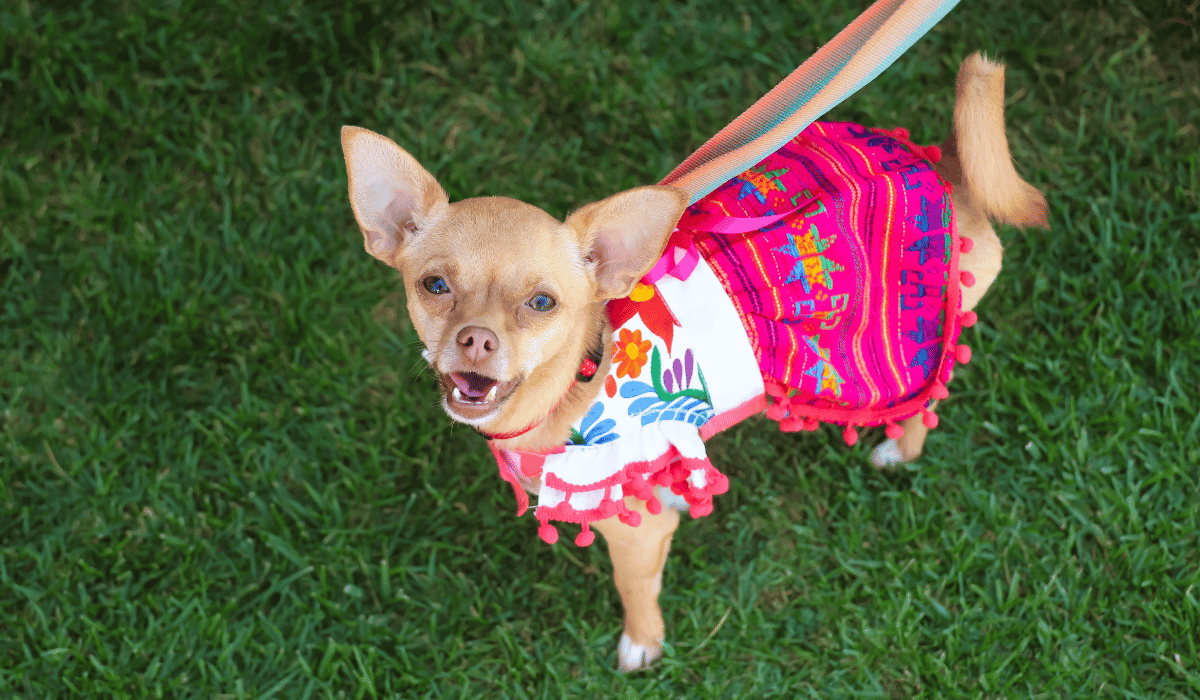
When Reese Witherspoon’s Elle Woods carried her tiny Chihuahua Bruiser in Legally Blonde (2001), it launched a “fashion accessory” trend that had real consequences for dogs. Bruiser boosted Chihuahua popularity, leading to overbreeding and overcrowded shelters—particularly in urban areas. Chihuahuas, bred and marketed as “handbag accessories,” flooded into homes whose owners were entirely unprepared for their personalities—and then flooded into shelters.
The pattern is consistent with what researchers have observed across breeds: when a breed becomes popular because of media exposure, large numbers of impulse buyers start looking for places to buy, and many fail to take the time to find a reputable breeder. Indiscriminate breeders step in to fill the demand, often producing animals with health and temperament issues.
Blu the Macaw: Rio and the Spix’s Macaw Tragedy
The 2011 animated film Rio told the story of Blu, a Spix’s macaw—and the real-life story behind the character is heartbreaking. The Spix’s macaw is critically endangered due to habitat loss and the illegal wild pet trade, having been declared extinct in the wild by the early 2000s, with poaching for the illegal pet trade being the main culprit. Hunters capture adults and raid nests for eggs, with birds fetching exorbitant prices on the black market.
The film drew attention to the Spix’s macaw’s plight, but the surge in interest also led to increased demand for wild birds on the black market, prompting authorities to issue warnings against attempting to acquire rare parrots illegally. The toucan featured as a sidekick in Rio—also a popular wild pet target—represents another species routinely captured from the wild for the trade.
The Spix’s macaw today exists almost entirely in captive breeding programs. As of 2022, 52 macaws have been reintroduced, and for the first time in decades, chicks have been born in the wild. But their recovery is fragile, and demand driven by popular culture makes that recovery harder.
The HBO Harry Potter Series: A New Chapter, an Old Danger
This brings us to an urgent concern on our radar right now. On December 25, 2026, HBO will premiere Harry Potter and the Philosopher’s Stone—a brand-new, big-budget adaptation of the popular book series, with new seasons planned through 2037. The teaser trailer released in March 2026 became the most-viewed trailer in HBO history, with 277 million views in the first 48 hours.
This series will introduce the wizarding world—and Hedwig—to an entirely new generation of children and families. For us at World Animal Protection, that milestone comes with deep apprehension.
The evidence from the original Harry Potter era is clear: in Indonesia, owls went from being almost absent in bird markets to being nicknamed Burung Harry Potter, with over 12,000 wild-caught Scops owls sold annually. The social normalizing of owls as pets—as magical companions, as status symbols for fans—was real and documentable. As researchers noted, the owl trade in Indonesia is not only illegal but also poorly regulated and unsustainable.
A decade-long HBO franchise reaching global audiences of tens of millions each year is not a small thing. It is a sustained, multi-year cultural event—one that will keep Hedwig and other wild animals at the forefront of popular imagination year after year, for an entire generation's childhood. Without proactive intervention, we have every reason to fear what that means for wild owls, wild birds, and other animals caught up in the international pet trade.
We are calling on HBO and Warner Bros. to:
- Include on-screen messaging urging fans not to seek out owls or other wildlife as pets.
- Partner with wildlife conservation organizations to actively counter demand for wild animals inspired by the franchise.
- Support legislative efforts to close loopholes in the wildlife trade that allow popular culture-driven demand to funnel money to traffickers.
What You Can Do—Right Now
The problem of pop culture driving the dangerous pet trade—whether for wild animals or domesticated—is not unsolvable. Awareness is the first step—and you’ve just taken it by reading this far.
As media play an important role in shaping public opinion, policy, and legislation, we must consider and acknowledge how narratives around the pet trade are communicated and what they normalize.
Here is how you can help:
- Never purchase a wild animal as a pet. If you want a companion animal, adopt from a reputable shelter.
- Before watching any film or series featuring animals, ask: is this species likely to end up on a “want” list? Talk to your children about the difference between wild animals in stories and wild animals in homes.
- Share this article. The most powerful tool against impulse buying is education—and that education has to reach people before they walk out of the theater.
Most importantly: help us fight back.
World Animal Protection is working globally to end the wildlife pet trade—lobbying governments, exposing trafficking networks, and educating communities. Our work is urgent, especially as new entertainment franchises threaten to spark new waves of demand for wild animals who belong in nature, not in cages.
Donate to World Animal Protection today and stand with us in the fight to keep wild animals wild. Every dollar funds the campaigns, research, and advocacy that protect the real Hedwigs, the real Nemos, and the real Blus of this world—before the next blockbuster sends them into a cage.