Trump Administration Convenes “God Squad,” Puts Endangered Species in Harm’s Way
Blog
The Trump administration has invoked “national security” to strip endangered species protections from Gulf animals—all to benefit Big Oil. Here’s what that really means.
There are approximately 51 Rice’s whales left on Earth.
Not 51,000. Not 51 million. Fifty-one individual whales, all of them living in the Gulf of Mexico. Every single one of them is now at the center of a political fight that could determine whether their species survives.
And the reason that fight is happening? The Trump administration wants to make it easier for oil and gas companies to operate in the Gulf without having to worry about the endangered animals living there.
What Is the “God Squad”—and Why Does It Matter?
Buried inside the Endangered Species Act is a provision that almost no one has ever used. It creates a six-member committee with the power to grant exemptions from the law’s protections—effectively deciding that an economic interest outweighs the survival of an endangered species. Because of that power, it has been nicknamed the “God Squad.”
In the 50 years since the Endangered Species Act was passed, the God Squad has only been formally convened three times. It is, by design, an absolute last resort—reserved for situations where it is genuinely impossible for an industry to operate without harming an endangered species, and only after extensive public notice and consultation with wildlife agencies.
On March 31, 2026, the Trump administration convened the God Squad for the fourth time—with just a week and a half of public notice—at the request of Defense Secretary Pete Hegseth, citing “reasons of national security.”
National security has never before been used to justify a God Squad meeting.
The Animals in the Crosshairs
The stakes for wildlife in the Gulf of Mexico could not be higher. The animals who stand to lose protections include some of the most endangered species in the United States:
- The Rice’s whale, with only about 51 individuals remaining—all in the Gulf of Mexico—is so critically imperiled that scientists have warned the loss of even a single additional whale could tip the species toward extinction.
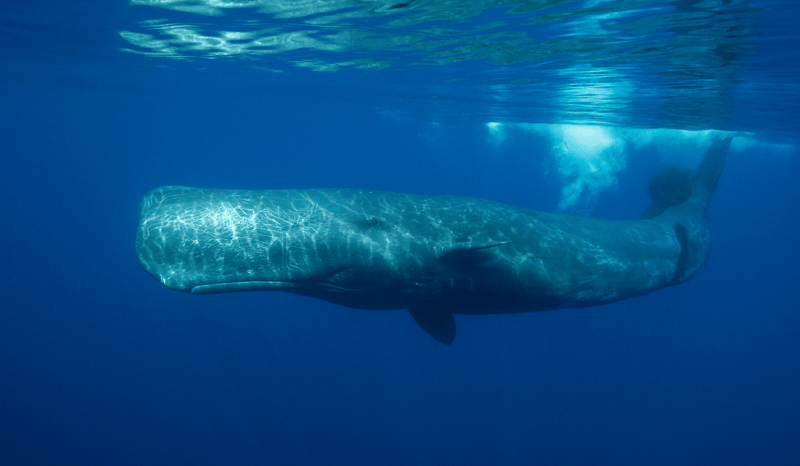
- Sperm whales, listed as endangered, who rely on the Gulf’s deep waters as critical habitat.
- The West Indian manatee, a threatened species whose survival depends on the health of Gulf ecosystems.
- Multiple species of Gulf sea turtles, including Kemp’s ridley sea turtles, all listed as threatened or endangered.
These are not abstract statistics. These are living, breathing animals with families, behaviors, and histories—animals who have navigated these waters for thousands of years and who are now on the verge of being killed all for quarterly earnings reports.
The Rice’s whale alone carries a devastating history with the oil industry. After the 2010 Deepwater Horizon disaster—which leaked more than 200 million gallons of oil into the Gulf—the Rice’s whale population declined by as much as 22 percent. That was a single spill. The population has never fully recovered.
What the “National Security” Claim Actually Means
Let’s be direct about what is happening here.
In May 2025, the National Oceanic and Atmospheric Administration (NOAA) reviewed the situation and concluded that oil and gas operations in the Gulf could continue—they just had to take some basic, reasonable precautions. Things like slowing down boats near whale habitat, not dumping trash into the ocean, and pausing the use of extremely loud seismic equipment when whales were spotted nearby.
NOAA’s determination was clear: the oil industry can have its cake and eat it, too. Drill in the Gulf and protect the whales. Both things are possible.
The oil and gas industry said no. Companies including Chevron, ExxonMobil, and Occidental Petroleum spent more than $8 million lobbying the government about the Endangered Species Act—specifically targeting protections for Rice’s whales—since October 2025 alone, according to lobbying reports obtained by NPR.
So instead of complying with basic wildlife protections, these companies went to Washington. The result was an almost immediate God Squad convening—announced with just ten days’ notice, with no meaningful public input—triggered by a Defense Secretary citing national security to justify letting oil companies off the hook for protecting endangered whales.
“On the one hand, you have the oil and gas industry—one of the wealthiest industries on the planet—and on the other, you have one of our most endangered whales,” said Michael Jasny of the Natural Resources Defense Council told NPR. “It’s caused enormous outrage and astonishment.”
This Is Part of a Larger Pattern, and It’s Getting Worse
The God Squad gambit doesn’t exist in a vacuum. It’s the latest escalation in a systematic effort to dismantle the Endangered Species Act from the inside.
Consider what has happened since Trump’s second term began in 2025:
- Zero new animals have been added to the federal list of endangered and threatened species—the first time in almost 20 years that the list has gone an entire year without a single addition. Under Biden, an average of 14 animals per year were listed. Under Obama’s second term, the average was 54. Under Trump’s first term, it dropped to 5. Now it is zero.
- In April 2025, the US Army Corps of Engineers cited Trump’s “energy emergency” executive order to bypass wildlife consultation requirements for an underwater cable project in Puget Sound—in waters used by the Southern Resident killer whale population protected since 1972.
- Trump’s January 2025 executive order declared a “national energy emergency” and directed the Interior Department to convene the Endangered Species Act Committee at least four times per year—treating the God Squad as a routine policy tool rather than an emergency backstop.
“In a nutshell, they’re making it harder to list species or protect their habitats,” NPR was told by Brian Segee, a senior attorney at the Center for Biological Diversity, which sued the Interior Department over the God Squad convening.
That lawsuit argued the administration violated the law by skipping required procedural steps before calling the committee. A federal judge declined to delay the meeting, but the legal fight is far from over.
Animals Don’t Have Lobbyists
The oil and gas industry spent $8 million lobbying for the right to operate in the Gulf without protecting endangered whales. That’s what it looks like when industries fight for their interests.
Legal protections are critical to saving the Rice’s whale and other endangered and threatened species. But the law is being dismantled around them, piece by piece, in the name of “national security.”
The Endangered Species Act was passed in 1973 with overwhelming bipartisan support because Americans, across political lines, understood that once a species is gone, it is gone forever.
At World Animal Protection, we believe every animal has the right to live free from human-caused suffering and extinction. That belief doesn’t stop at the border of what’s politically convenient. It demands that we speak up—loudly—when 51 of the last remaining members of a species are being traded away for oil profits.
What You Can Do Right Now
The legal battle over the God Squad convening is ongoing. Conservation groups, including the Center for Biological Diversity and Defenders of Wildlife, are fighting in court to restore protections for Gulf wildlife. They need public pressure to remind elected officials that Americans care about endangered species. Call your elected officials today and urge them to protect Rice’s whale and other endangered animals in the Gulf.
You can also use your voice as a consumer. The companies lobbying hardest against whale protections—Chevron, ExxonMobil, Occidental Petroleum—are household names. They respond to public pressure. They have shareholders. They have reputations.
And you can support World Animal Protection's ongoing work to protect wildlife from human-caused harm. Our campaigns fight on multiple fronts because animals need advocates who won't back down, no matter what is dressed up as “national security.” Donate to support our vital work protecting animals today.