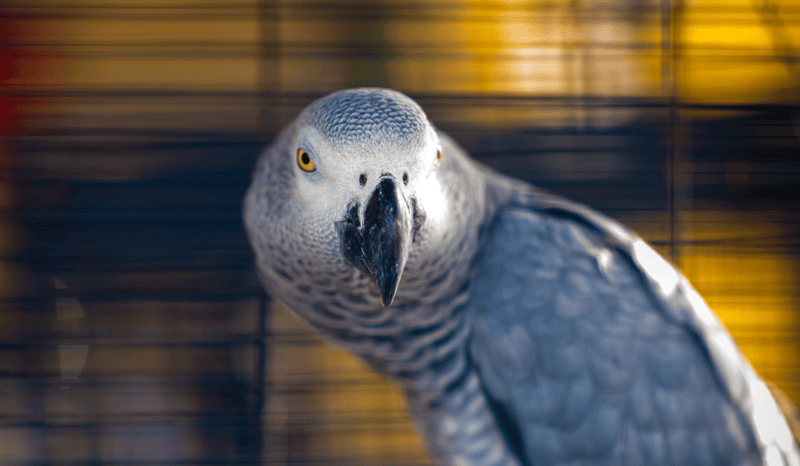
Captive breeding of parrots for the pet trade is fueling the parrot extinction crisis.
Parrots are in crisis. Devastated by the pet trade and habitat loss, 29% of all parrot species are endangered or threatened, and another 58% of species are in decline. Across the globe, parrots are imperiled. Nearly all of Ghana’s African grey parrot population—about 99%—has been wiped out, and the Spix’s macaw, once seen flying through Brazil’s Caatinga shrubland, is now functionally extinct.
World Animal Protection, along with our partners at the International Alliance for the Protection of Parrots, One Earth Conservation, and Foster Parrots, is working to end the global parrot trade through advocacy, education, and conservation.
Legal or Illegal, Bird Sales Fuel the Parrot Crisis
Intuitively, it seems like breeding parrots could help the parrot crisis. But the opposite is true; anytime a bird is sold as a “pet,” parrots suffer. That’s because selling parrots as “pets” drives demand for parrots everywhere. This demand, in turn, increases incentives to poach parrots from the wild, harming individual parrots, parrot populations, and the Indigenous communities that coexist with them. Further, captive-bred parrots suffer from a lifetime of social isolation and trauma, often subjected to multiple “re-homings” and deprived of the ability to meaningfully fly.
That’s why one of World Animal Protection’s core projects is to prohibit the sale of birds and all animals in pet stores. Parrots aren’t “pets.” To protect parrots in the wild, we need to change our relationship with them.
Standing in Solidarity in La Moskitia
As we work to protect parrots in the US pet trade, our friends are on the front lines of the parrot crisis. In March 2026, One Earth Conservation’s Rev. Dr. LoraKim Joyner will travel to La Moskitia in Central America to stand in unconditional solidarity with Indigenous communities and endangered parrots.
Since 2010, One Earth Conservation has partnered with Indigenous communities in La Moskitia, a tropical rainforest spanning eastern Honduras and northern Nicaragua, to protect parrots from poaching and illegal land-clearing. Through patrolling and nightly camping near macaw nests, they’ve kept poaching to roughly 20%. Unfortunately, this level is still unsustainable for the macaws’ long-term survival.
During her journey, Rev. Dr. Joyner “will listen deeply to community members, participate in patrols, and camp alongside local guardians near active macaw nests. The effort is intended as both a witness and a catalyst—calling attention to the crisis while opening space for transformative change.”
How to Help Parrots
As we work to avert the parrot crisis from Africa to Central America to New York City, you can help.
- Adopt, don’t shop. Don’t purchase birds in stores or online.
- Download our advocacy toolkit to learn how to pass a retail ban in your community.
- Share our undercover bird mill investigation.
- If you live in New York City, ask your city councilmember to sponsor a bill prohibiting the retail sale of birds.
- Follow One Earth Conservation on Instagram to support Rev. Dr. Joyner’s work in La Moskitia.