Fintastic Friends: Bull Sharks Form Powerful Social Bonds, New Research Finds
Blog
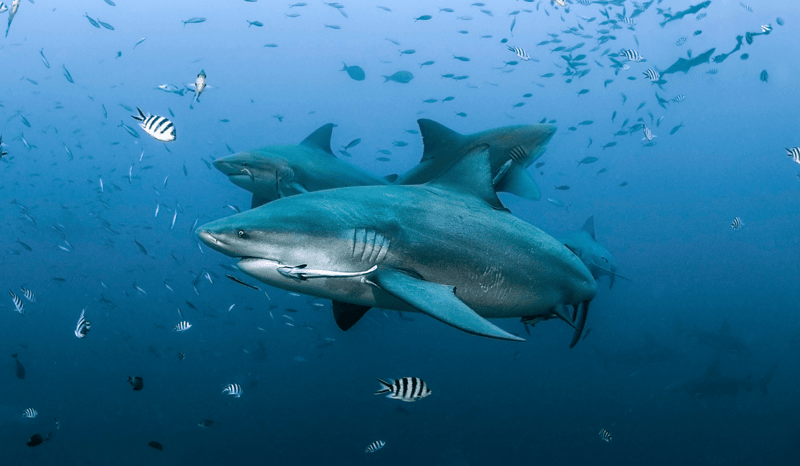
New research shows bull sharks aren’t the lone hunters we’ve always imagined. They form social bonds, choose companions, and navigate the ocean with preferred friends.
When we imagine sharks, the image that typically comes to mind is one of a solitary hunter, cruising the blue depths alone and fending for themselves.
But emerging science is reshaping that narrative in a profound way: bull sharks form social bonds, choose companions, and navigate their underwater world not as loners, but as individuals embedded in dynamic social networks.
Redefining a Predator: Sharks With “Friends”
A groundbreaking new study published in Animal Behaviour has revealed something remarkable: over six years of observation at Fiji’s Shark Reef Marine Reserve, researchers watched 184 bull sharks—33 males and 151 females of different ages and sizes—not just swim together, but actively choose whom to spend time with. These sharks weren’t mingling randomly. They exhibited patterns of association—close swimming, “lead-follow” behavior, and parallel movement—that suggest true social preference.
In other words, these animals seem to have “friends.” This research underscores something meaningful: social behavior in bull sharks is strategic, consistent, and ecologically important. It’s behavior with purpose, not a random byproduct of aggregation.
Social Structure Beneath the Waves
What makes this discovery especially impactful is how it challenges deeply rooted assumptions about marine life. Sharks have often been portrayed as isolated and emotionless—dangerous figures that operate alone, but the data shows something different:
- Adults form the core of social networks, interacting more consistently with preferred partners.
- Both male and female sharks show preferences, particularly for companions of similar size—perhaps reducing conflict or enhancing cooperative opportunities.
- Males tend to have more social connections, possibly as a strategy to mitigate the dangers posed by larger individuals.
- Younger (sub‑adult) sharks and older adults are less socially connected, which may reflect shifting ecological needs across life stages.
These are structured connections, not random gatherings, that likely play a role in survival, learning, foraging, and even future reproductive success. As researchers noted, this behavior resembles what we see in other highly social species: bonds that help individuals navigate a complex world.
Why It Matters for Conservation
This new research changes how we should think about sharks—not as monsters, not as hazards, but as intelligent, dynamic, sentient beings with rich behavioral lives. When people understand animals on their own ecological and emotional terms, not through fear or stereotype, something shifts: empathy grows, fascination rises, and support for protection strengthens.
This discovery also helps inform conservation strategies. Traditional approaches to shark protection often focus on population counts and fishing limits, but if sharks depend on social networks for key aspects of their lives, then:
- Habitat protection becomes even more critical because social hubs are places where relationships form and strengthen.
- Marine reserves aren't just safe spaces. They are social landscapes that sustain the social fabric crucial for shark well‑being.
- Threat assessments must consider social disruption, not merely direct mortality. Activities that fragment habitats or scatter individuals could degrade these social systems even if sharks aren’t killed outright.
Understanding the social lives of sharks deepens our ability to make wise, compassionate policy decisions—ones that recognize the full scope of what these animals need to thrive.
From Fear to Respect
For years, sharks have been icons of fear perpetuated by media, movies, and misunderstanding, but science is painting a richer, more nuanced picture: these are animals who interact, learn, adapt, and perhaps even benefit from one another’s presence.
As we expand what we know about the natural world, it's our job as advocates to update the stories we tell. Sharks are essential, wondrous parts of ocean ecosystems deserving of respect and protection.
Want to help animals thrive in their wild habitats? Sign up for our FREE Animal Champions community, and we’ll keep you updated on ways to take action for animals.