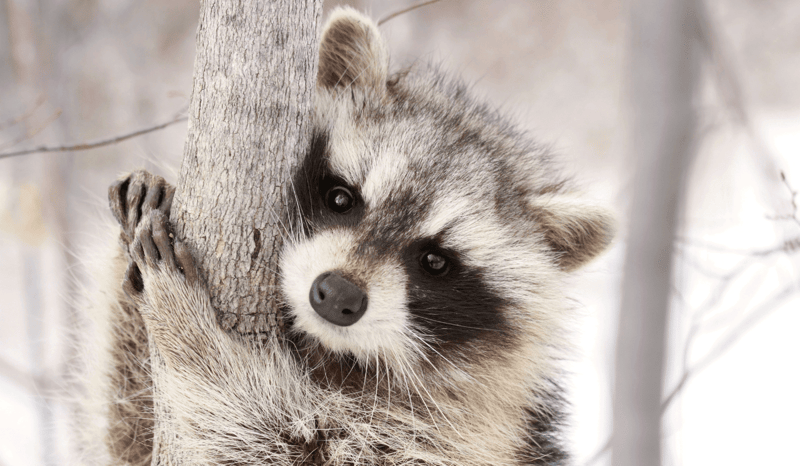
Winter is tough for wildlife, but you can help! Learn simple, safe ways to support raccoons, squirrels, opossums, and more without feeding or bringing them inside.
Winter can be brutal for wildlife. Animals like raccoons, opossums, chipmunks, squirrels, and other small mammals face freezing temperatures, scarce food, and harsh weather conditions. While it might be tempting to feed them or bring them inside, the best way to help wild animals survive is through thoughtful, safe actions that respect their natural behaviors.
Understanding Winter Survival for Wild Animals
Many wild animals have evolved strategies to survive the cold. Some hibernate, like chipmunks and certain species of squirrels, while others, like raccoons and opossums, remain active but seek shelter in dens, tree cavities, or burrows. Even animals who appear inactive during winter are often in a state of torpor, conserving energy until conditions improve.
How You Can Support Wildlife This Winter
You don’t need to feed animals or invite them into your home to make a difference. Small, thoughtful steps can help wild animals survive safely through the harsh months.
Shelter and Safe Spaces
- Leave natural brush piles, logs, or rock piles—they provide protection from wind, predators, and harsh weather.
- Keep snags (dead trees) standing; they serve as vital denning spaces for raccoons, squirrels, and birds.
- Check outdoor structures like sheds or garages for safe access points, but ensure animals can’t become trapped inside.
Water Access
- Even in freezing temperatures, animals need water.
- Keep small water sources from freezing using heated bowls or safe water heaters.
- Never use chemicals or antifreeze near water sources.
Keeping Wildlife Safe from Human Hazards
- Secure trash and compost bins to prevent animals from scavenging and getting injured.
- Drive carefully in areas where wild animals are active, especially at dawn and dusk.
- Use only pet- and wildlife-friendly ice melt on sidewalks and driveways; traditional salts and chemical de-icers can harm paws, feet, and habitats. Even worse, they can poison animals trying to clean off their paws through licking.
- Avoid rodenticides or other toxic chemicals that can inadvertently poison wildlife.
Emergency Help for Sick or Injured Animals
If you encounter a sick, injured, or orphaned wild animal:
- Contact a licensed wildlife rehabilitator.
- Do not attempt to treat or bring the animal into your home (unless told to by a professional, i.e., wildlife rehabilitator). Handling can stress the animal and create danger for both of you.
- Rehabilitators have the knowledge, equipment, and permits to safely care for and eventually release wildlife back into the wild.
You can find licensed wildlife rehabilitators through your state wildlife agency, local animal shelters, or the National Wildlife Rehabilitators Association.
Winter Wildlife Safety at a Glance
- Shelter: Brush piles, logs, rock piles, and standing snags provide critical protection.
- Water: Keep water sources available and chemical-free; heated bowls are helpful.
- Human Hazards: Secure trash, drive carefully, use pet-friendly ice melt, and avoid toxic chemicals.
- Emergency Help: Contact licensed wildlife rehabilitators for help.
Winter Wildlife Fun Facts
- Raccoons: Raccoons don’t truly hibernate—they slow down during winter and spend more time in dens to conserve energy.
- Opossums: These resilient neighbors often curl up in leaves or brush piles to stay warm, and their tails act like extra blankets.
- Chipmunks: Chipmunks hibernate, but they wake occasionally to nibble on stored food before returning to torpor.
- Squirrels: Some squirrels enter a state of torpor, while others stay active, using their fluffy tails for insulation and storing nuts in hidden caches for winter meals.
These fascinating adaptations show just how clever and resilient wildlife can be, but with just some thoughtful actions, you can help them make it through the cold months.
A Winter of Respect and Care
Helping wild animals in winter isn’t about turning your yard into a wildlife sanctuary—it’s about respecting their natural behaviors, creating safe spaces, and knowing when to reach out for professional help. By taking these steps, you can make a meaningful difference in the survival of raccoons, opossums, chipmunks, squirrels, and countless other animals during the harshest months of the year.