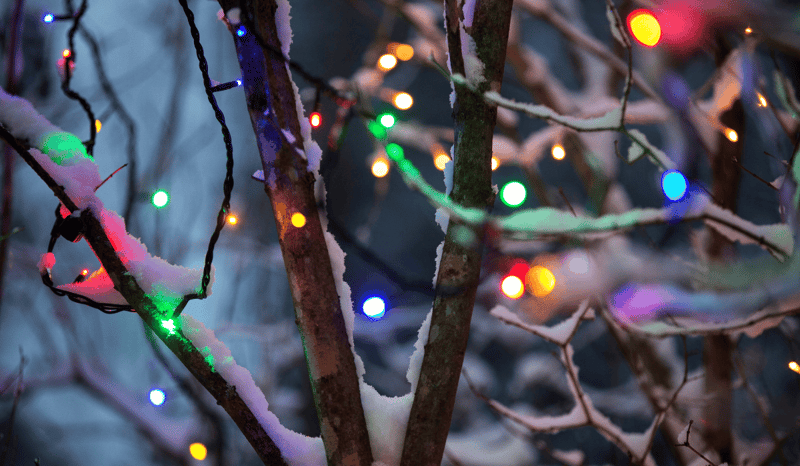
Discover how holiday lights and decorations can affect birds and other wild animals—and simple ways to celebrate safely while protecting our feathered and furry neighbors this season.
The holidays are a magical time. Twinkling lights, shimmering ornaments, and festive decorations make our homes feel warm and cheerful. But as we deck the halls, there’s a hidden side effect we might not always consider: the impact of these decorations on our local wildlife. Birds, small mammals, and insects can be affected in ways we might never see, and the consequences can be surprisingly serious.
When Lights Confuse the Night
Birds rely heavily on natural light cues to navigate, especially during migration. Artificial lights—like those lining our rooftops, windows, and trees—can disorient them. Migratory birds often travel at night, and bright holiday lights can:
- Cause collisions: Disoriented birds may fly into buildings, windows, or other structures. Each year, millions of birds are injured or killed in collisions with man-made structures.
- Disrupt migration patterns: Bright lights can confuse birds about where to rest or which direction to fly, making their long journeys more dangerous.
- Impact breeding and feeding: Prolonged exposure to artificial light can affect birds’ natural behaviors, such as feeding times and mating calls.
Wildlife and Decorations: More Than Just Birds
It’s not only birds that are affected. Other animals notice our holiday displays, too:
- Small mammals like squirrels and raccoons can be attracted to shiny objects or food-based decorations, increasing the risk of injury or getting trapped.
- Insects may be drawn to artificial lights, which can interrupt their natural cycles and have ripple effects up the food chain.
- Nocturnal animals like bats and opossums rely on darkness for hunting and movement. Bright lights can disturb their activities, reducing their ability to find food and shelter.
How to Celebrate Safely for Wildlife
The good news? You can keep your home festive without harming your local wildlife. Here are some practical tips:
- Use lower-intensity lights: Dimmer lights or warm white tones are less disruptive than bright, flashing colors.
- Turn lights off at night: Use timers to limit lighting, especially during peak migration periods (fall and spring).
- Keep decorations out of outdoor trees and shrubs: Birds and small mammals may get tangled in garlands, ribbons, or netting.
- Avoid reflective or shiny ornaments outdoors: These can attract animals and cause entanglement or injury.
- Check your roof and windows: If you use lights near windows, consider applying decals or curtains to prevent bird collisions.
Why It Matters
We often think of holiday decorations as purely human enjoyment, but for wildlife, the season can bring unexpected hazards. By making small adjustments to how we decorate, we can still celebrate beautifully while reducing risks to the animals who share our neighborhoods and cities.
Want to also help farmed animals this holiday season? Check out our plant-based holiday recipe guide!