Animals Who Steal Their Meals (And What It Reveals About Survival in the Wild)
Blog
Discover fascinating kleptoparasites—from herring gulls to humans—and learn how these clever food thieves survive in the wild.
In nature, there’s more than one way to get dinner.
For some animals, being the fastest or strongest isn’t enough. Instead, they save energy—and sometimes avoid danger—by stealing food that others have already caught, prepared, or stored. This is a survival strategy called kleptoparasitism, a term from the Greek words klepto (“to steal”) and parasite (“to live off another”). It’s a feeding behavior found across continents and oceans, from sea to sky to soil.
But before we dive in to meet these “pirates” of the natural world, remember: every animal plays a role in fragile ecosystems. Kleptoparasitism is just another twist in evolution’s toolkit.
Aerial and Coastal Food Raiders
Herring Gulls, Frigatebirds, Bald Eagles, and Skuas
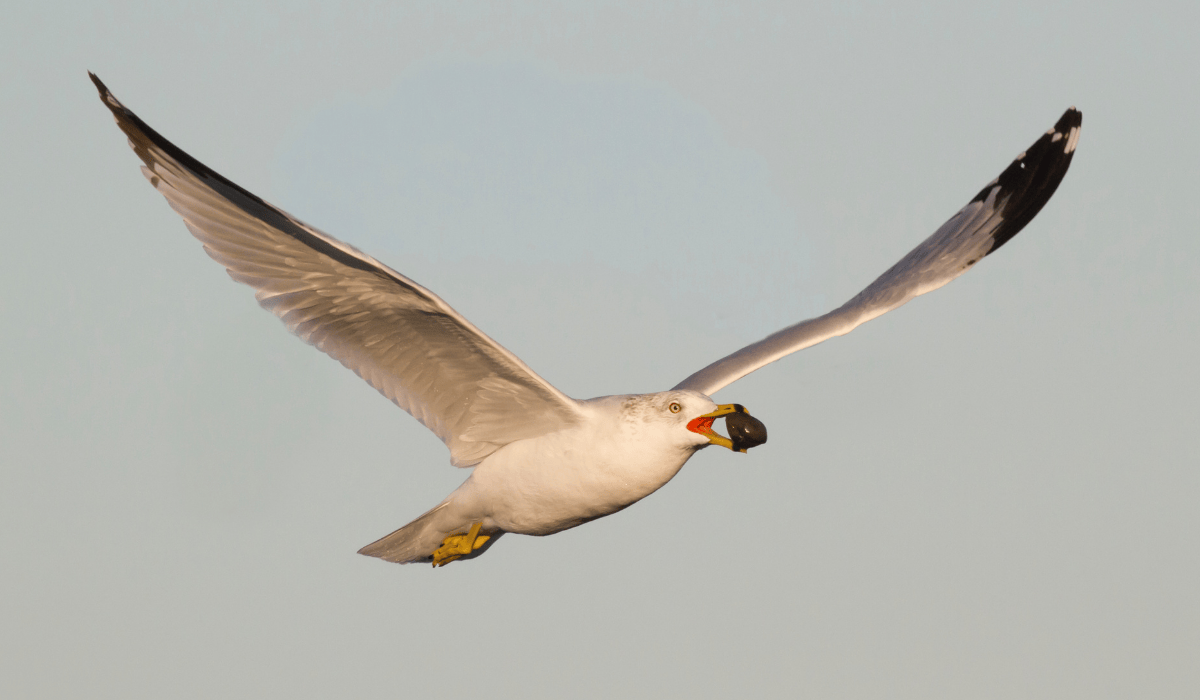
From beaches to open skies, these birds have perfected the art of theft. chase other birds until they drop their catch, dominating coastlines with bold persistence. Frigatebirds harass seabirds in flight, forcing them to release fish before swooping in. Bald eagles sometimes steal fish straight from ospreys mid-flight, showing that even top predators will take a shortcut. Skuas patrol oceans, chasing smaller birds returning from fishing trips until they drop their catch—high effort, high reward.
Stealthy Invertebrate Kleptoparasites
Thief Spiders, Cuckoo Bees, Robber Flies
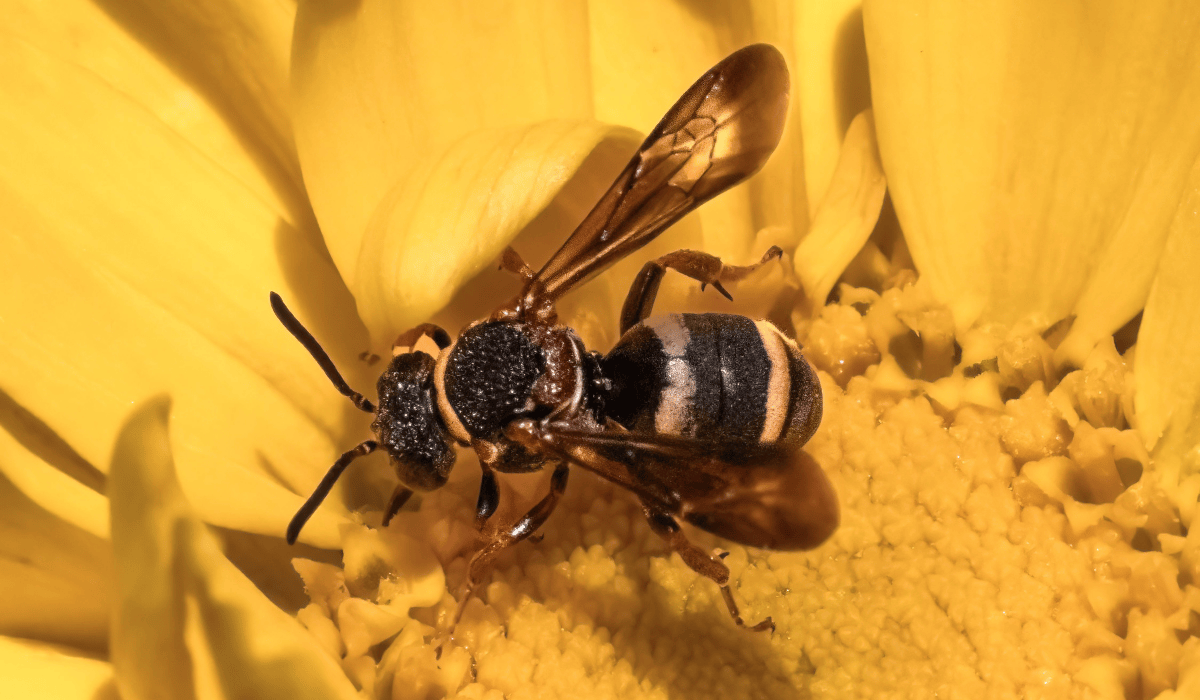
Small but cunning, these creatures survive by taking from others. Thief spiders quietly steal trapped prey or leftovers from other spiders’ webs without alerting the host. Cuckoo bees (pictured above) lay eggs in other bees’ nests, letting their larvae feast on provisions gathered by unsuspecting hosts. Robber flies intercept prey mid-air, snatching it from ants or bees in a miniature, high-speed kleptoparasitic strategy.
Savanna and Forest Predators—Strategic Kleptoparasites
Hyenas, Lions, Bears, Coyotes, Wolves
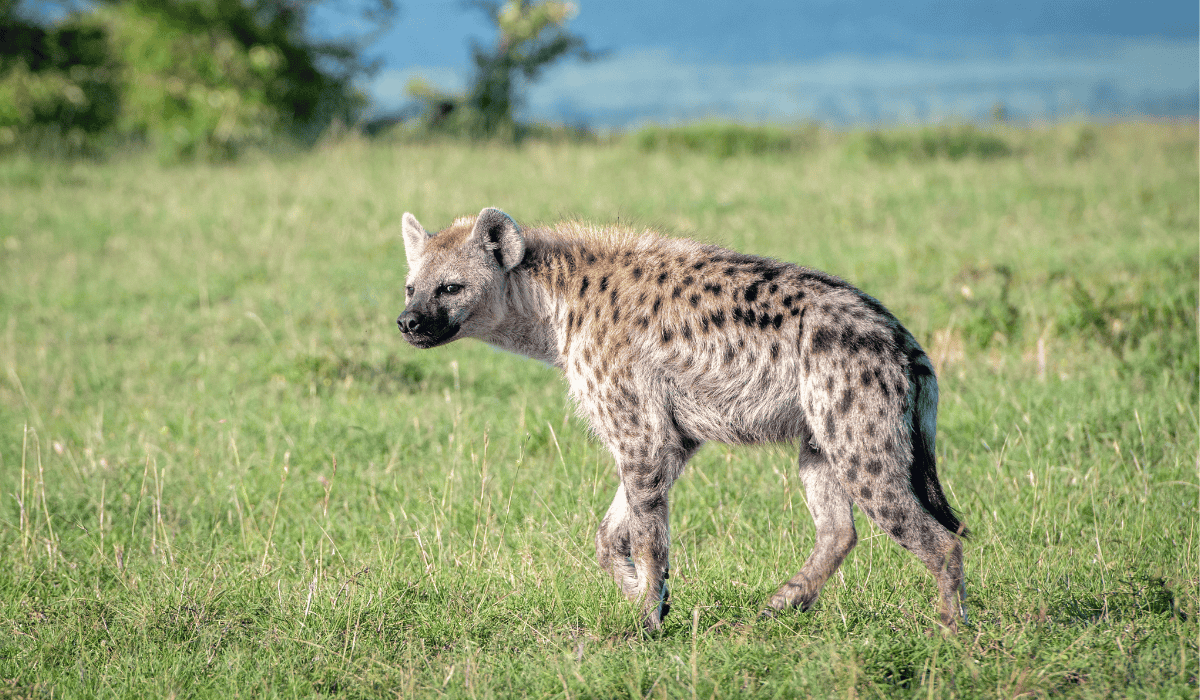
Large predators often combine hunting with clever theft. Hyenas, in packs, can drive lions or wild dogs from their kills. Lions may push cheetahs or hyenas aside, and smaller prides or cubs sometimes claim kills from lone hunters—power, timing, and teamwork are key. Bears aren’t picky; they scavenge carcasses or even steal from human camps, combining strength with opportunism. Coyotes and wolves thrive on adaptability, stealing food from smaller predators or scavenging human refuse, with wolves using pack coordination to make the strategy successful.
Marine and Island Opportunists
Crab-eating Macaques, Risso’s Dolphins, Remoras
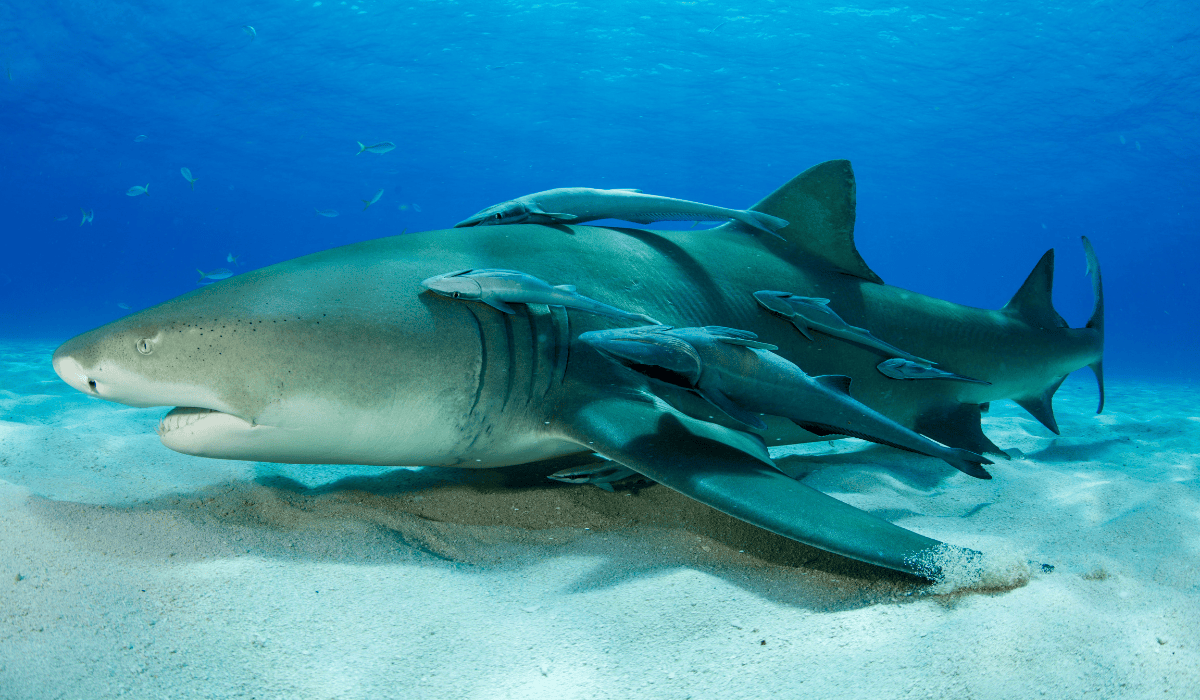
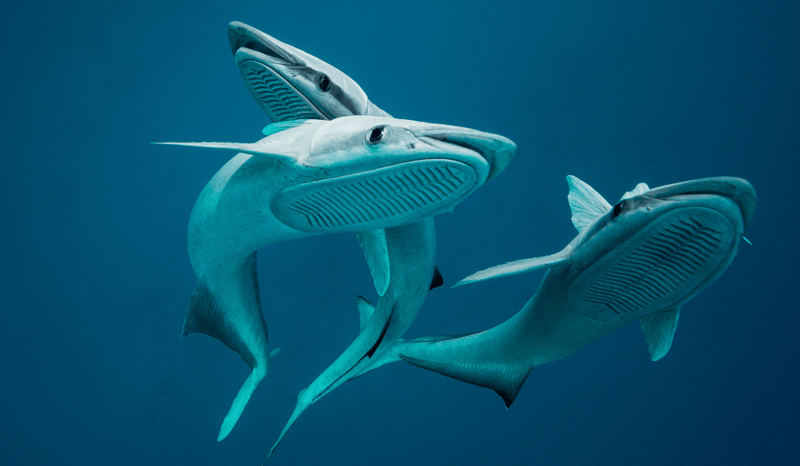
On islands and coasts, crab-eating macaques use nimble fingers to steal from humans, birds, and even each other. In the ocean, Risso’s dolphins sometimes steal prey from other marine mammals or exploit hunting whales, thriving on social, opportunistic feeding. Remoras (pictured above, attached to a lemon shark) hitch a ride on larger marine animals, dining on scraps from their hosts’ meals—a travel-and-dine strategy perfected by evolution.
Why Understanding Kleptoparasitism Matters
Kleptoparasitism isn’t about being “bad” or “lazy”—it’s an evolutionary tactic. In harsh environments, when food is scarce or when an opportunity to expend less energy is available, stealing a meal can be an efficient survival choice. These behaviors remind us that life in the wild is complex and interconnected. And, when humans remove resources from ecosystems faster than they can regenerate, it tips the natural balance—sometimes with devastating consequences for wildlife.
Protect All Animals
Every animal—whether they hunt, forage, scavenge, or "borrow" food—deserves the chance to thrive in a world with enough to eat. That’s why World Animal Protection works globally to safeguard habitats, defend food chains, and protect wildlife from human pressures. Donations help fund advocacy, rescue efforts, and policy change that make a real difference.
Your support ensures that all animals—yes, even the kleptoparasites—have a fair shot at life.
Donate to World Animal Protection today and help protect animals everywhere from cruelty and exploitation. Every contribution counts and brings us one step closer to a world where animals live free from suffering.