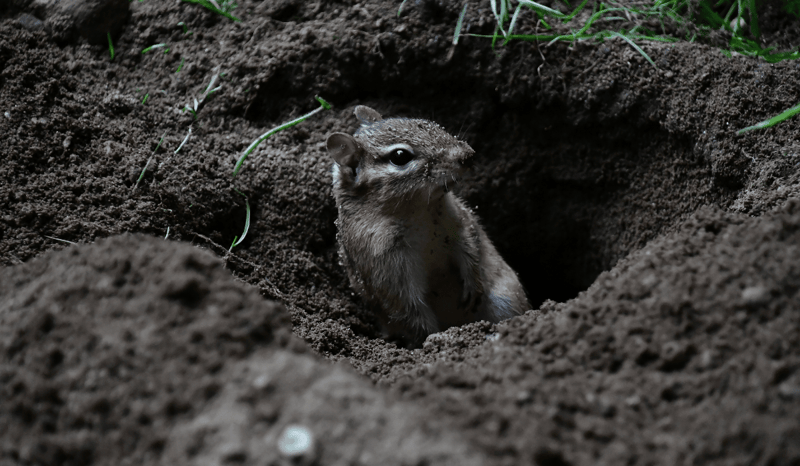
Meet the fascinating animals who hibernate across the US, learn how hibernation works, and get practical tips for keeping wildlife safe through the cold months.
As temperatures drop and food becomes scarce, many wild animals across the United States rely on an extraordinary survival strategy: hibernation. Hibernation is not just a long nap—it’s a carefully timed energy-saving adaptation that helps animals survive harsh winters and emerge ready to thrive in spring.
From bears in the Rockies to frogs in wetlands, let’s explore some of the most fascinating animals who hibernate and learn how we can protect them.
Different Hibernation Styles
Not all hibernation looks the same. Scientists recognize several types of winter dormancy, each adapted to the needs of different species:
- True Hibernation: A deep, long-term sleep with dramatically slowed metabolism and heart rate. Example: groundhogs and some hedgehogs.
- Torpor: A short-term, daily or seasonal decrease in metabolism, often seen in small mammals like bats.
- Brumation: Reptiles, like snakes and turtles, enter a state similar to hibernation where they are inactive but can wake occasionally.
- Brumation Underwater: Aquatic reptiles, like freshwater turtles, stay buried in pond or lake bottoms and absorb oxygen through their skin.
- Dormancy or Diapause (Insects): Insects may spend winter as eggs, larvae, pupae, or adults, pausing development until warmer temperatures return.
Understanding these differences helps us better appreciate the diversity of animals who hibernate and how to protect them during winter.
1. Bears
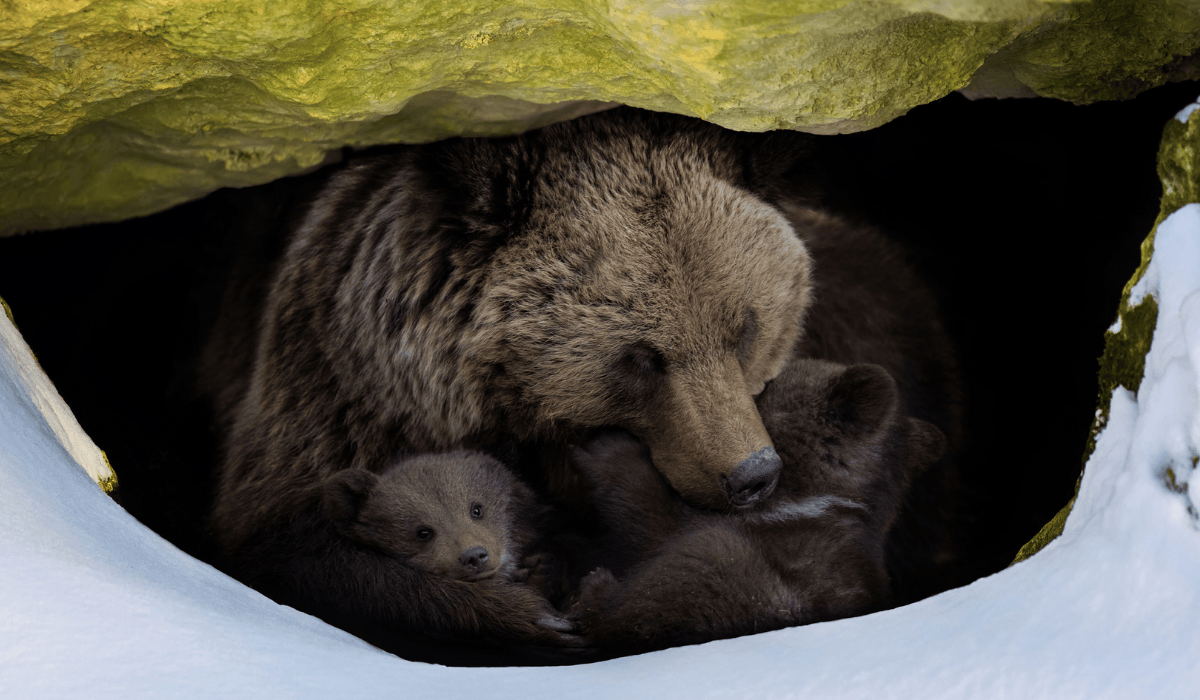
Hibernation style: Deep winter torpor
Bears, including black bears in the Rockies and Appalachians, retreat to dens for months. Their heart rate slows dramatically, and they can go without eating, drinking, or eliminating waste. Female bears may even give birth during hibernation.
How to help:
- Avoid disturbing dens in forests and mountain areas.
- Support conservation programs that protect bear habitats and corridors.
2. Groundhogs (Woodchucks)
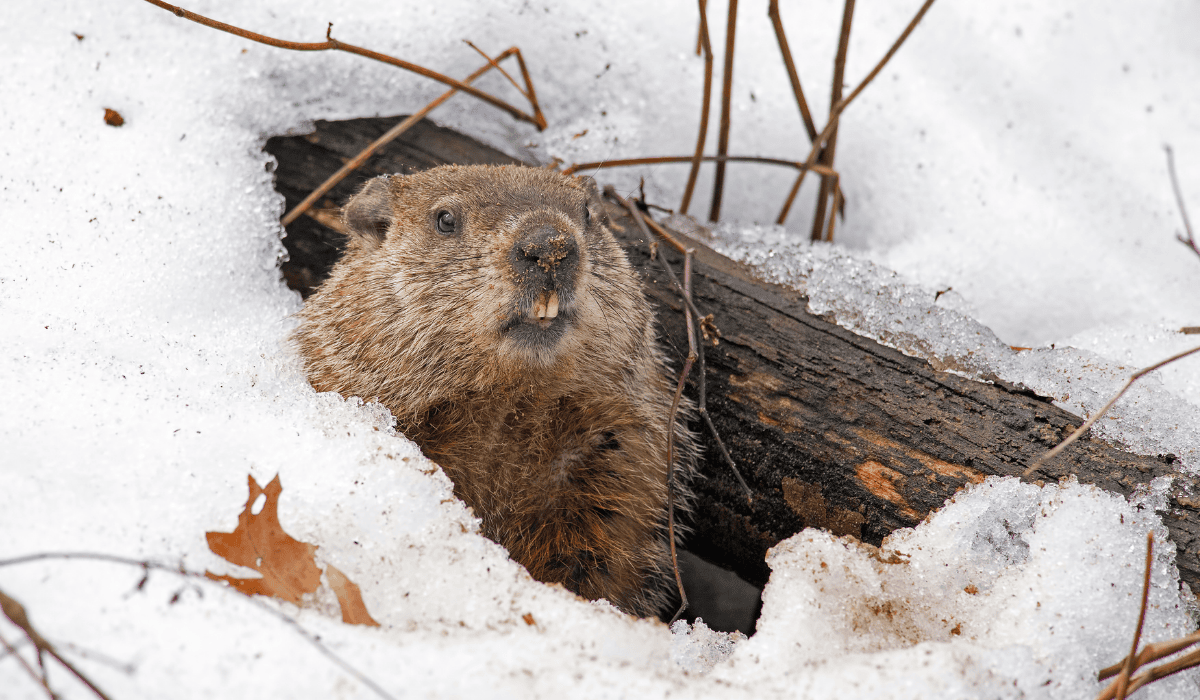
Hibernation style: True hibernation
Groundhogs across the Midwest burrow underground and slow their metabolism to survive the winter months.
How to help:
- Avoid digging up burrows or disturbing areas with groundhog activity.
- Leave brush piles or natural debris in your yard for alternative shelter.
3. Bats
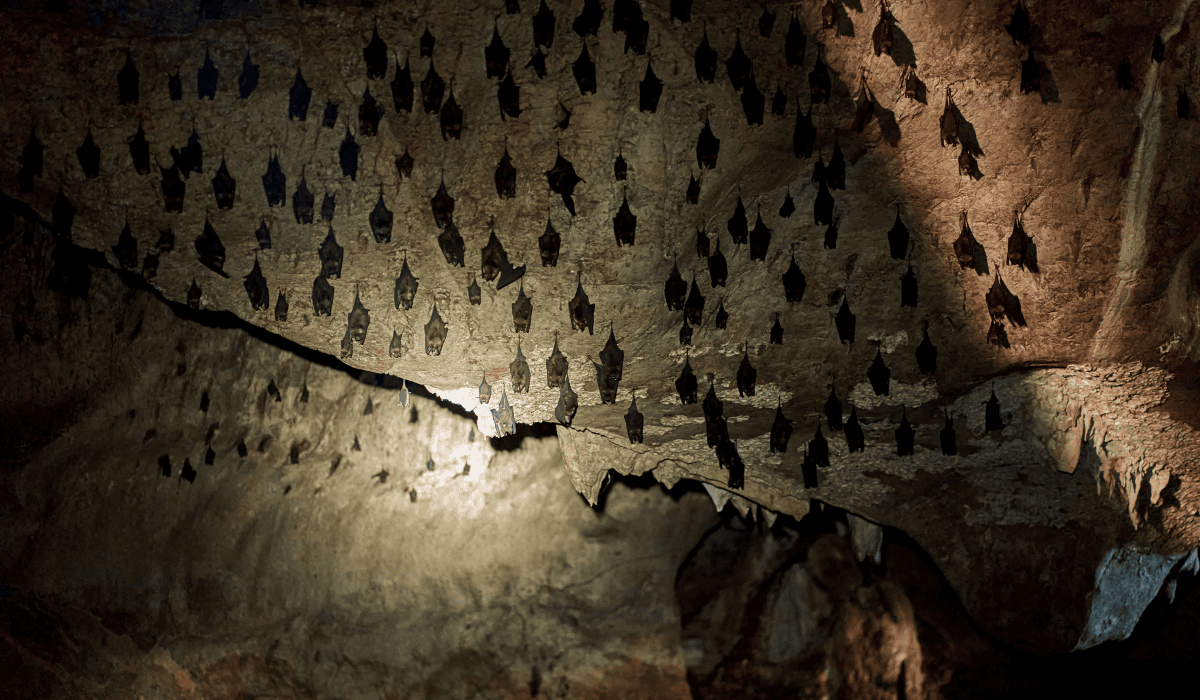
Hibernation style: Torpor in caves, mines, and old buildings
Many North American bats hibernate in caves or abandoned structures, relying on fat reserves to survive.
How to help:
- Respect hibernation sites and avoid entering caves during winter.
- Support bat conservation programs combating white-nose syndrome.
4. Chipmunks
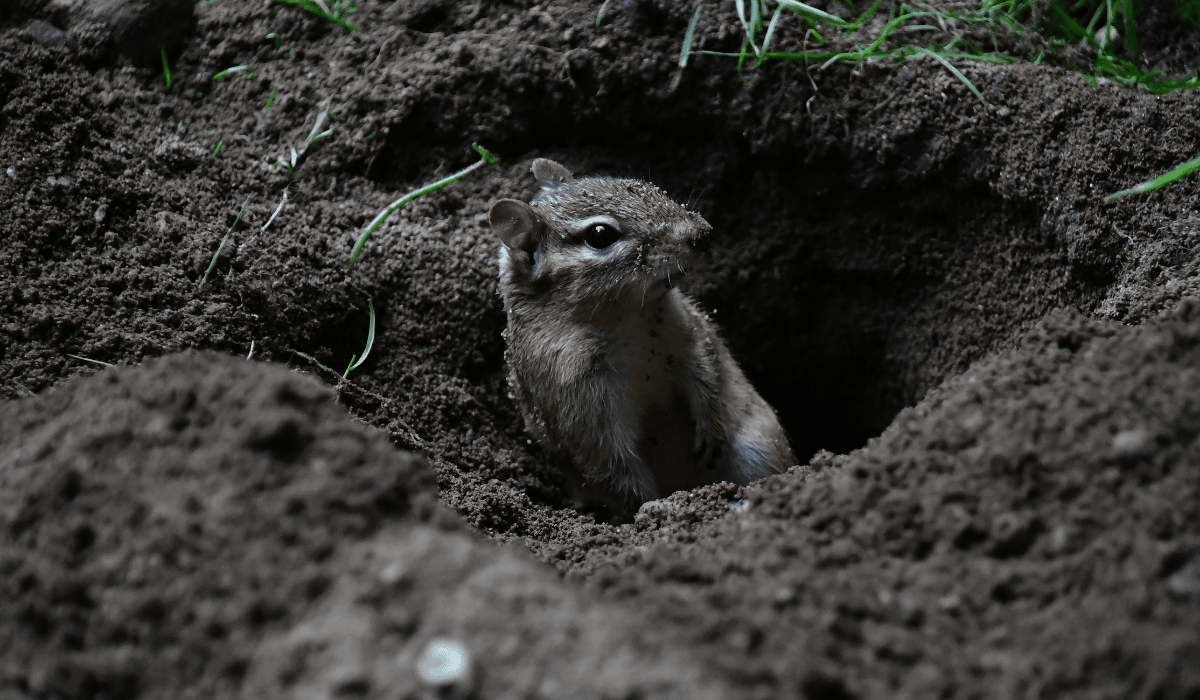
Hibernation style: Light hibernation with periodic wake-ups
Chipmunks wake periodically to snack on stored food. Their underground burrows are essential for survival.
How to help:
- Preserve leaf piles, hedgerows, and natural ground cover.
- Avoid heavy yard clearing during winter months.
5. Snakes
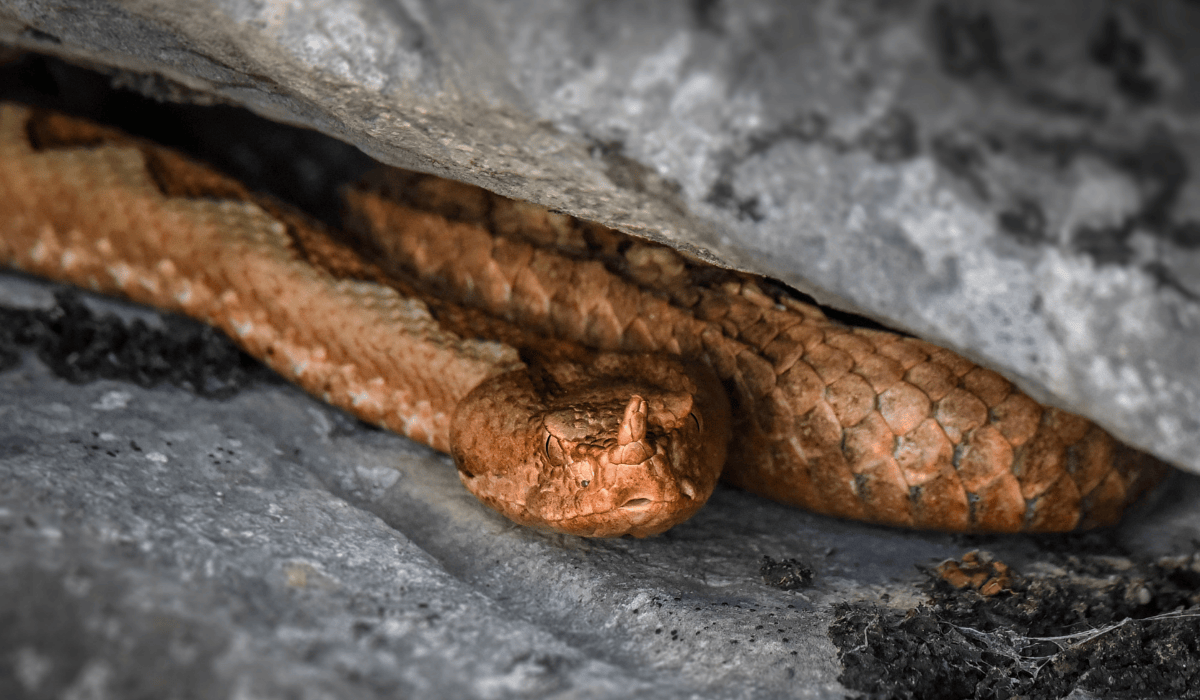
Hibernation style: Brumation
Snakes, such as garter snakes in the Northeast and rattlesnakes in the Southwest, become inactive in dens or rock crevices to survive winter.
How to help:
- Leave hibernacula
- Avoid moving rocks or brush piles where snakes may shelter.
6. Frogs
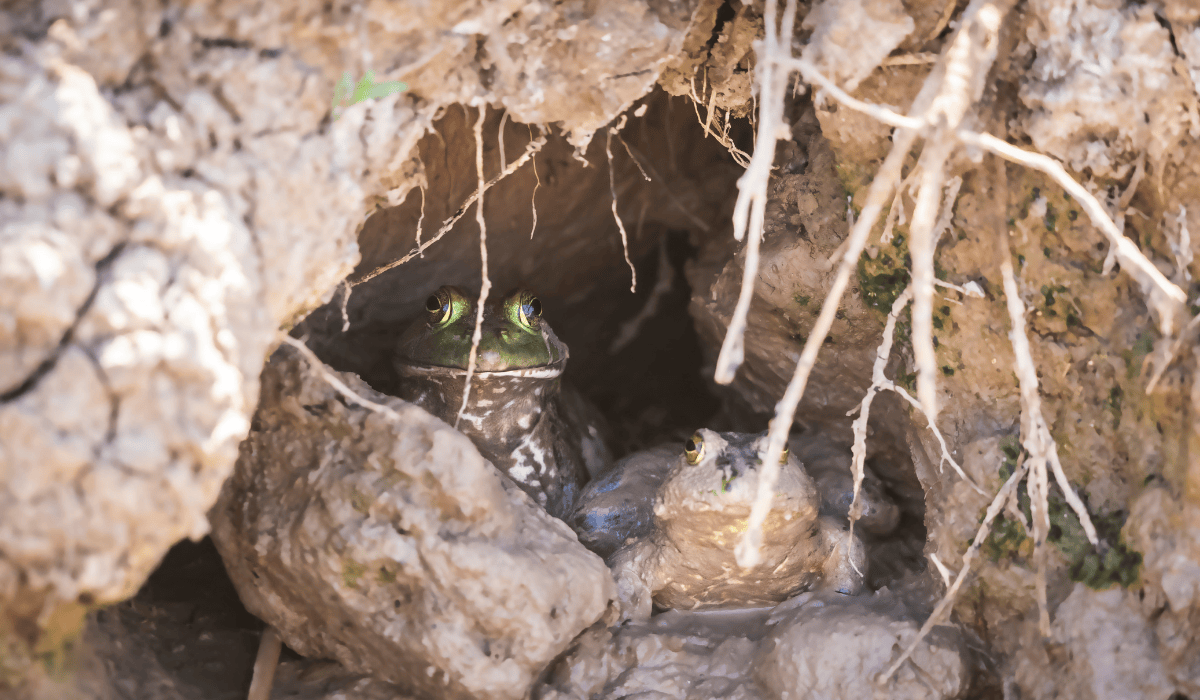
Hibernation style: Freeze tolerance or underwater dormancy
Wood frogs and other species survive winter buried in mud or under leaf litter, sometimes partially frozen.
How to help:
- Protect ponds, wetlands, and surrounding vegetation.
- Avoid chemical runoff that can pollute overwintering sites.
7. Turtles
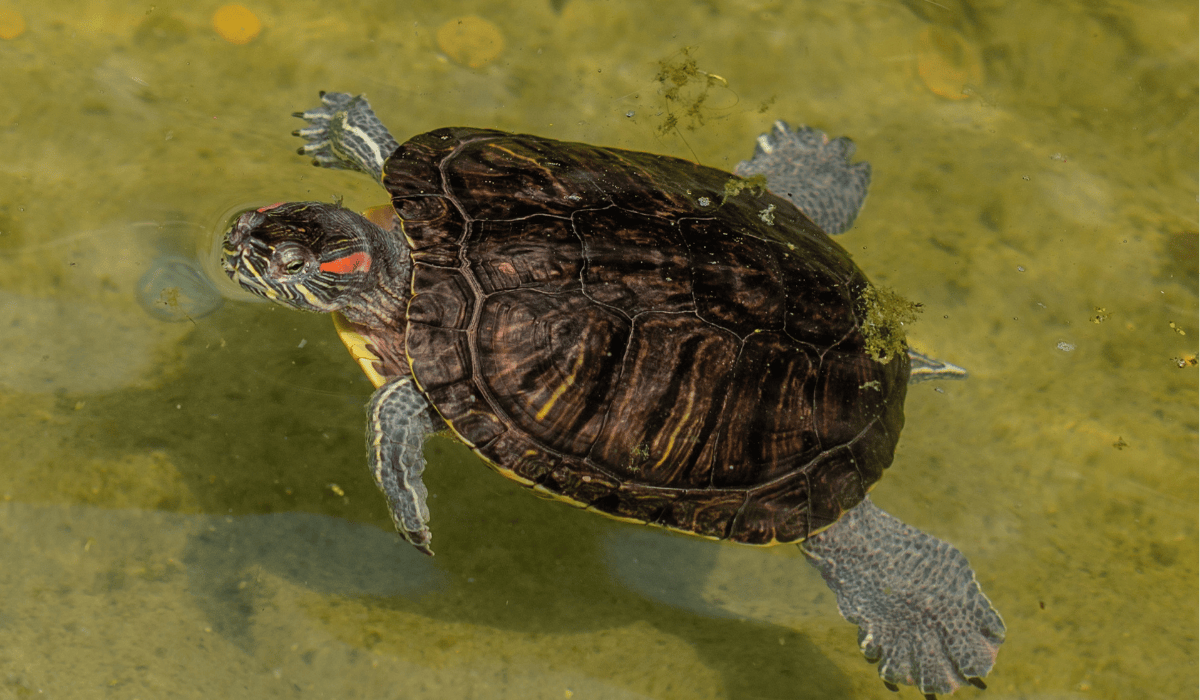
Hibernation style: Brumation underwater
Freshwater turtles, including painted turtles and snapping turtles, spend winter buried in pond or lake bottoms, absorbing oxygen through their skin, especially their cloaca (butt).
How to help:
- Keep waterways clean and reduce pollution.
- Avoid disturbing shallow pond bottoms during winter.
8. Hedgehogs (in US rescue programs)
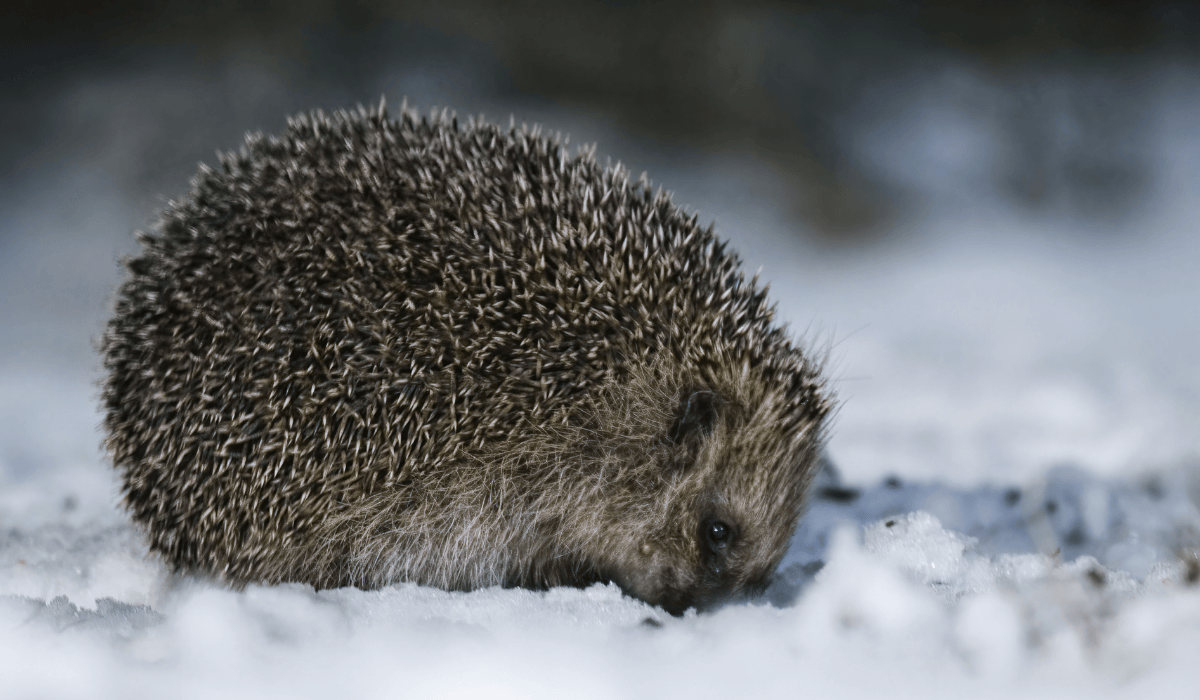
Hibernation style: True hibernation
Hedgehogs curl into leaf piles or compost heaps for warmth and protection.
How to help:
- Provide safe shelter if you participate in hedgehog rescue efforts.
- Support rescues and sanctuaries who house and protect hedgehogs from the wild pet trade.
9. Insects (Including Bees)
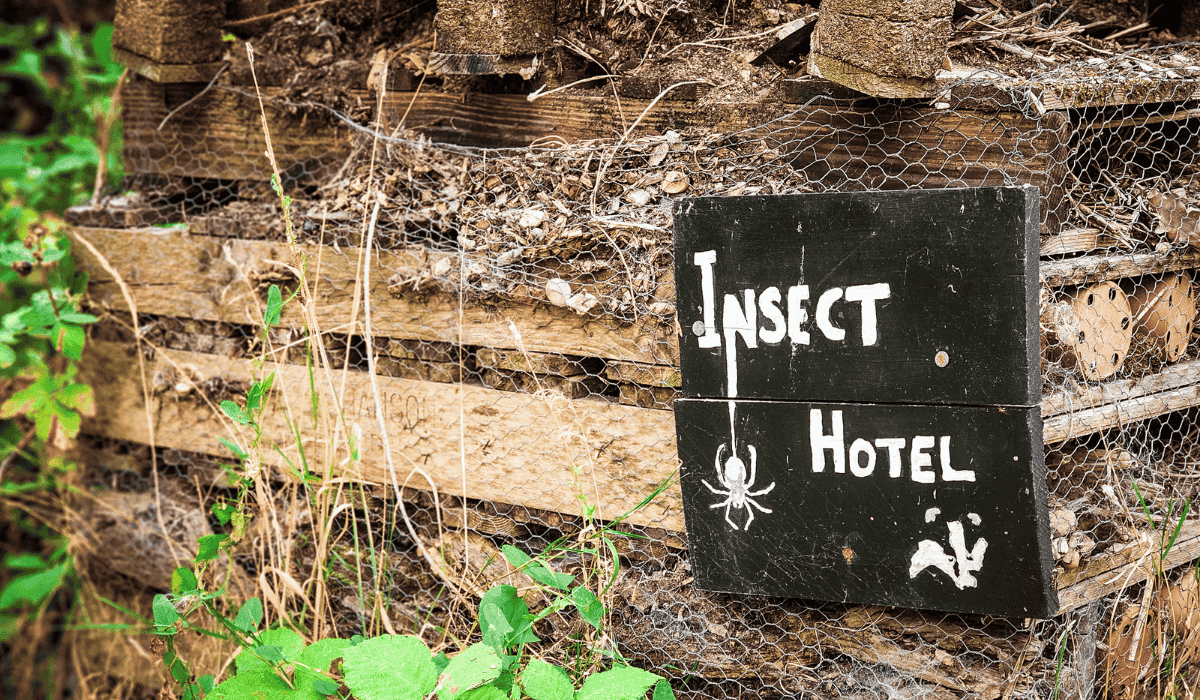
Hibernation style: Dormancy or diapause
Many insects overwinter as eggs, larvae, pupae, or adults. Native bees may hibernate underground or in hollow stems.
How to help:
- Preserve natural debris and dead plant stems in gardens.
- Plant native wildflower seeds in late fall (before the first frost).
- Avoid pesticide use, but especially during late fall and winter.
Common Misconceptions About Hibernation
Many people wonder: Do opossums hibernate? The answer is no. Unlike true hibernators, opossums remain active during winter but slow down their metabolism and seek shelter during cold spells. They rely on dens, leaf piles, or brush for protection rather than entering full hibernation.
Other common myths include:
- “All snakes hibernate in winter.” Some species migrate or brumate only in particularly cold regions.
- “All insects die in winter.” Many overwinter as eggs, larvae, or pupae, quietly waiting for spring.
- “Bears sleep through the entire winter.” In reality, bears can wake if disturbed or to give birth.
Understanding these nuances helps us better protect wildlife during winter months.
How to Protect Hibernating Animals Across the US
Beyond species-specific tips, here’s how you can help all hibernating animals survive winter safely:
- Respect quiet spaces. Avoid disturbing dens, burrows, caves, leaf piles, and brush piles.
- Leave nature a little messy. Fallen leaves, brush, and hollow logs provide winter shelter.
- Protect aquatic habitats. Clean ponds, streams, and wetlands are vital for turtles, frogs, and salamanders.
- Drive carefully. Slow down near forests, wetlands, and open fields to avoid winter collisions.
- Support conservation policies. Protect forests, wetlands, and caves through local conservation programs.
Winter may seem quiet, but many animals who hibernate are working hard to survive. By giving wildlife the space, shelter, and safe habitats they need, we help ensure healthier populations and stronger ecosystems when spring arrives.
Want to help animals no matter the weather? Join The Wild Side today to help sustain our work protecting animals wherever they need it.