The US Just Made It Harder to Save Threatened Species. Here’s What That Means
Blog
The US just rolled back automatic protections for threatened species. Here’s what changed and how to help animals.
For 50 years, one rule has done quiet, essential work for wildlife: the moment a plant or animal was listed as “Threatened” under the Endangered Species Act, they received the same automatic legal protections as a species listed as ”Endangered”. No lengthy process. No case-by-case negotiation. Just protection, immediately, while a full recovery plan was worked out.
That rule is gone.
On July 18, the Interior Department finalized a change that ends automatic protections for newly listed threatened species. Going forward, each species will need its own individualized protection plan before those safeguards kick in—a process that can take years, during which companies can seek exemptions to drill, mine, and develop on the very habitat that species depend on to survive.
What Actually Changed
Two things happened at once.
First, the automatic-protections rule, in place for wildlife since 1975 and for plants since 1977, was eliminated. Species newly added to the threatened list will no longer get blanket legal protection while officials work out species-specific rules.
Second, officials will now be required to weigh economic impact when deciding what counts as “critical habitat” for a species’ survival. Exempting the industries responsible for habitat destruction often means exempting the very thing threatening the species in the first place.
Interior Secretary Doug Burgum defended the move as necessary to stop the Endangered Species Act from being used to block development, arguing that success should be measured by recovery and delisting rather than by how many species get added to the list.
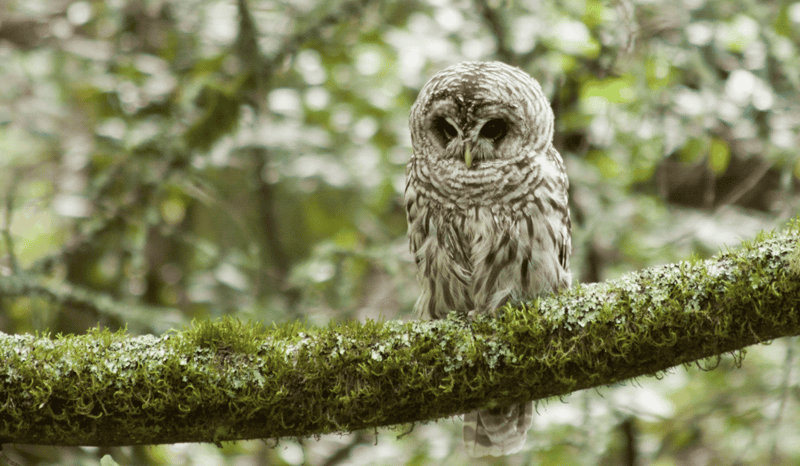
Here’s the problem with that framing: almost nothing is being added to the list right now to begin with. According to the PBS NewsHour report, zero species have been added to the endangered or threatened lists during this administration’s second term, compared with more than 20 during the first Trump term and roughly 60 under the Biden administration. Meanwhile, about 30 species are currently proposed for threatened status—including monarch butterflies, alligator snapping turtles, California spotted owls, and a range of snakes, fish, clams, and insects. Every one of them will now face this longer, less protected road if and when they’re finally listed.
This Is Part of a Pattern
This rollback didn’t happen in isolation. It’s the latest in a fast-moving series of changes to how the US protects imperiled wildlife:
- In March, the administration exempted oil and gas drilling in the Gulf of Mexico from Endangered Species Act review—a decision that put species like Rice’s whale, one of the most endangered whales on Earth, directly in the path of expanded drilling.
- In July 2026, Interior officials narrowed the legal definition of “harm” to a species, opening the door to development on critical habitat as long as animals aren’t immediately killed or injured.
- Also in July 2026, protected habitat for Canada lynx in the Rocky Mountains was sharply reduced, and Interior announced it will hand over more grizzly bear management authority to state governments.
Taken together, these changes chip away at the tools that brought species like the bald eagle and the American alligator back from the edge of extinction. The Endangered Species Act has a real track record. Weakening it now, while listing has already slowed to a near-standstill, puts that track record—and the species still waiting for protection—at serious risk.
Where Animals Need Us Next
Rule changes like these move fast and quietly. Monarch butterflies, alligator snapping turtles, Rice’s whales, Canada lynx, grizzly bears—they don’t get a say in federal rulemaking. We do.
Wherever animals need protection—from disappearing habitat, from weakened federal safeguards, from industries given more room to do harm—World Animal Protection US is there, and animals need us across the United States more than ever. Your donation helps us keep fighting for the wildlife caught in the middle of these decisions, today and as the next rollback comes.
Donate now to help us protect animals wherever they need us.