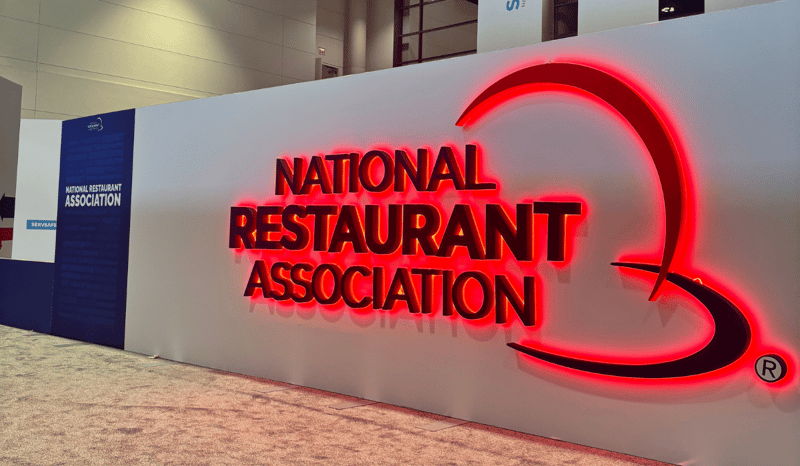
The work is far from over, but spaces like the National Restaurant Show make one thing clear: the conversation around the future of food is shifting
In early May, I attended the National Restaurant Association Show in Chicago, one of the largest gatherings of restaurants and foodservice professionals in the country. Walking through the massive convention halls, one thing stood out immediately: plant-based innovation was not tucked away in a niche corner of the expo floor. It was everywhere.
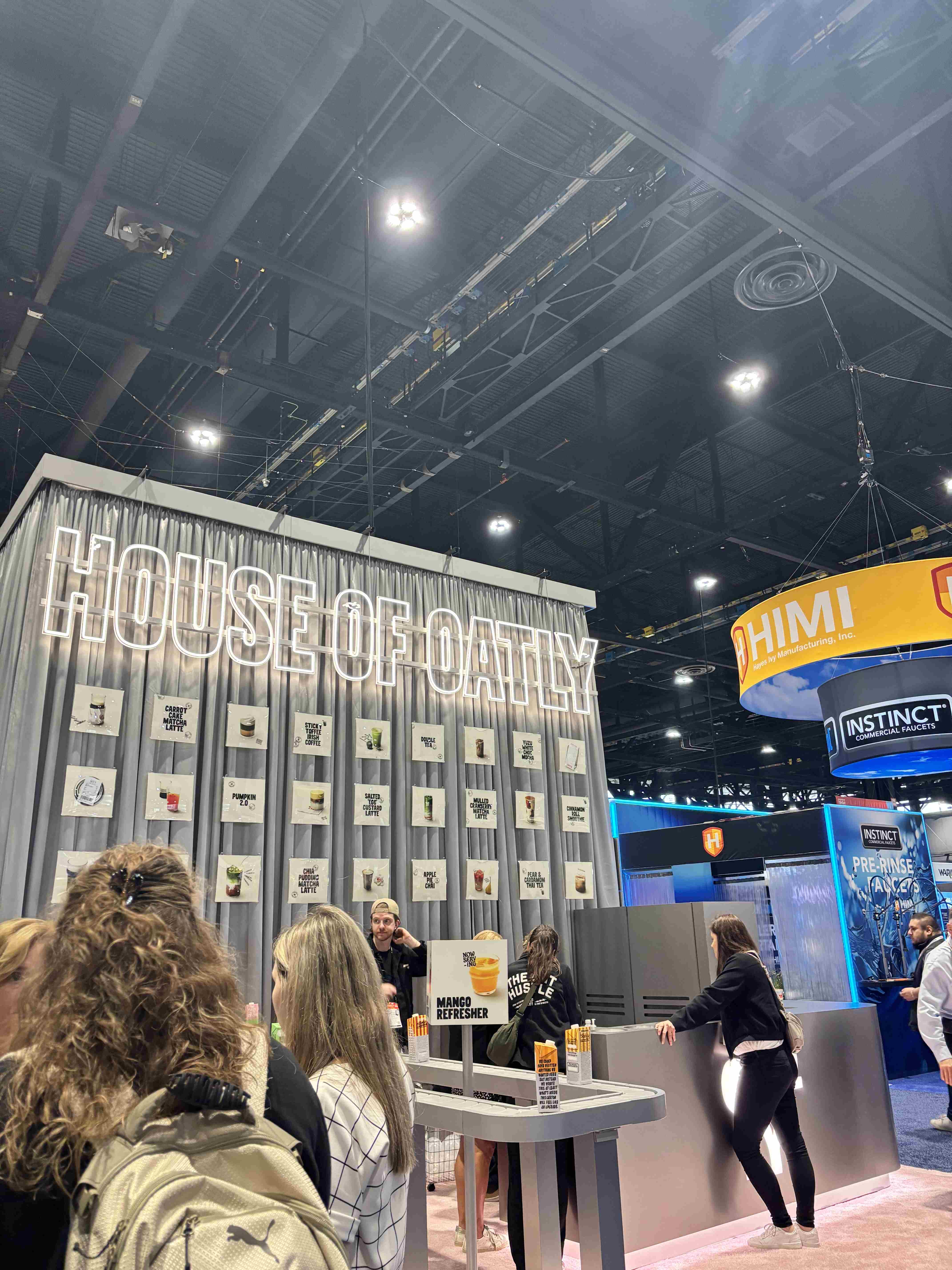
From whole-cut meat alternatives and dairy-free innovations to sustainability-focused messaging and menu conversations centered around flexibility and consumer demand, the show reflected an industry in transition. While animal-based products still dominated much of the space, it was impossible to ignore how prominently plant-based brands appeared and how seriously many companies are beginning to treat this shift.
Here are five key takeaways I walked away with from this year’s show.
1. Plant-Based Brands Are No Longer Considered “Alternative”
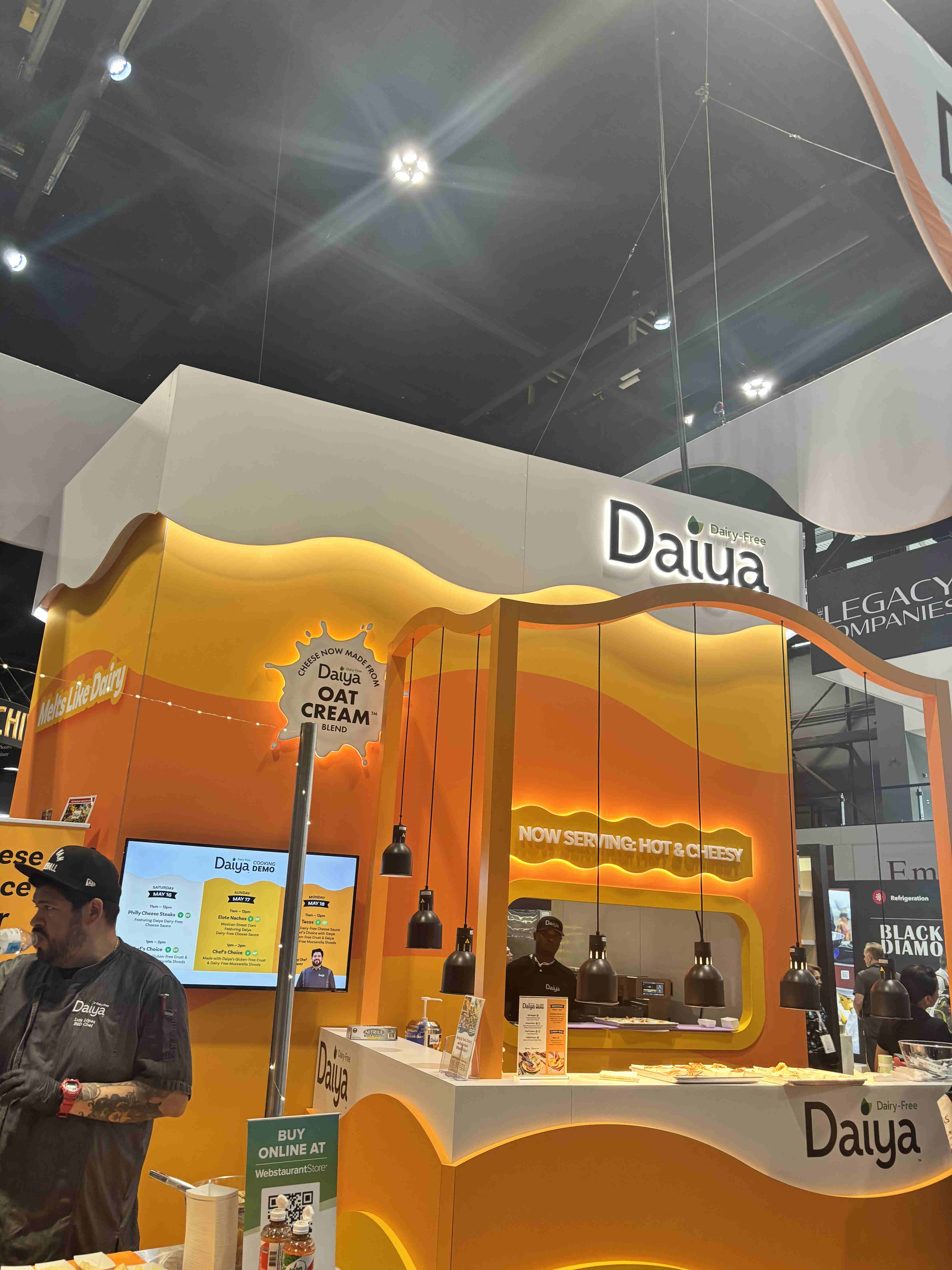
One of the clearest takeaways from the show was that plant-based products are increasingly being positioned as mainstream menu items rather than niche alternatives.
Brands offering plant-based proteins, dairy-free cheeses, egg alternatives, and seafood substitutes had major booth presences, polished marketing campaigns, and packed product demonstrations. These companies were not speaking only to vegans or vegetarians. They were speaking directly to restaurant operators looking for scalable, profitable, and trend-forward menu options.
The messaging has shifted from “replacement” to innovation, convenience, flavor, and operational flexibility.
2. Innovation Has Moved Far Beyond Basic Burgers
A few years ago, plant-based options largely centered on veggie burgers, which, while an important and accessible product line, this focus left plenty of room for more innovative options.
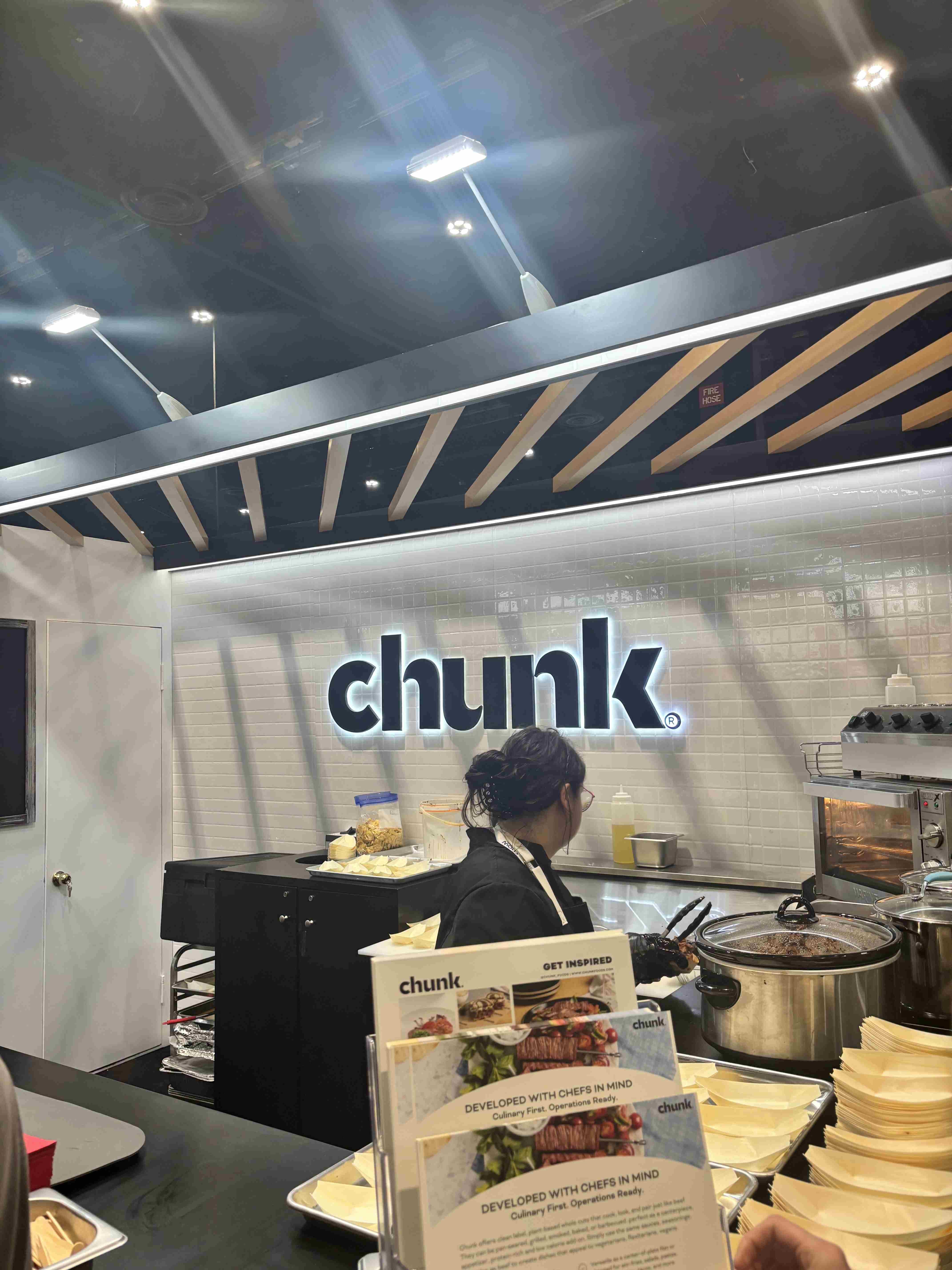
This year, I saw everything from whole-cut meat alternatives and cultivated protein discussions to plant-based chicken, seafood, desserts, sauces, and ready-to-use ingredients designed specifically for foodservice operations.
Many brands focused on texture, versatility, and chef-driven applications, signaling that the industry is moving beyond novelty products and toward long-term menu integration.
For advocates working to reduce reliance on factory farming, this diversity matters. The more products available that are accessible and appealing, the easier it is for restaurants to make meaningful menu shifts.
3. Sustainability Messaging Is Becoming More Central
Sustainability was a recurring theme throughout the show, with many companies emphasizing emissions reductions, water use, supply chain efficiency, and environmental impact in their branding. While the connection between industrial animal agriculture and environmental harm still remains under-acknowledged, it was clear that sustainability has become a conversation the restaurant industry can no longer ignore. Public pressure and shifting consumer expectations are helping push these discussions into the mainstream, even as much of the industry still relies heavily on intensive animal agriculture.
4. Restaurants Are Looking for Flexibility, Not Just Labels
One thing that stood out in conversations throughout the show was that many restaurant operators are not necessarily looking to become fully plant-based. Instead, they are looking for flexible ways to meet changing consumer expectations.
That includes:
- Adding more plant-based menu items
- Offering blended or customizable options
- Reducing costs tied to animal proteins
- Meeting sustainability goals
- Appealing to younger consumers seeking more climate-conscious choices
This is important because large-scale food system change will not happen overnight. Incremental shifts across major chains and foodservice companies can still have massive impacts on animals, the environment, and public perception.
5. The Future of Food Is Still Being Written
Leaving the show, I kept thinking about how different the food industry conversation feels compared to even a few years ago.
Plant-based innovation is no longer a fringe conversation happening outside the industry. It is happening inside convention centers, boardrooms, restaurant kitchens, and supplier meetings. Companies are investing heavily in new products because they recognize that consumer expectations are changing.
From an animal advocacy perspective, that momentum matters.
Every new plant-based menu item, every restaurant testing new animal-free proteins, and every company investing in innovation represents an opportunity to reduce reliance on factory farming systems that harm animals, wildlife, communities, and the planet.
The work is far from over, but spaces like the National Restaurant Show make one thing clear: the conversation around the future of food is shifting, and advocates have an important role to play in helping shape where it goes next.