Brazil just banned foie gras production and sale nationwide—the first Latin American country to do so. Here’s what the law covers and why it matters.
On July 23, 2026, Brazilian President Luiz Inácio Lula da Silva signed Law 15.475, banning the production and sale of any food made through force-feeding animals. In plain terms: foie gras is now illegal in Brazil, and so is any product made the same way. The law takes effect in January 2027, once its 180-day implementation window closes.
This makes Brazil the first country in Latin America to ban both the production and sale of foie gras under federal law, and because the ban covers sale, not just production, it closes the door on imports too. Brazil’s own foie gras industry was tiny to begin with, so the practical effect of this law falls almost entirely on imports from France.
What Foie Gras Actually Requires
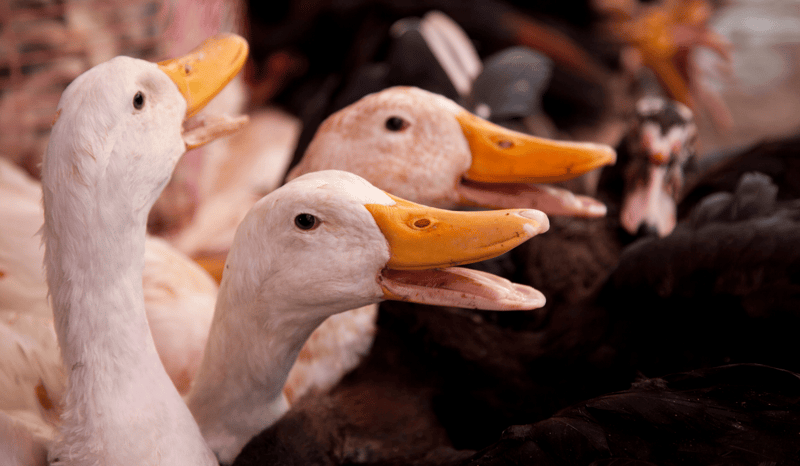
Foie gras is made by force-feeding ducks or geese—typically through a metal tube inserted directly into the throat, several times a day—until their livers swell to as much as ten times their natural size. The process induces hepatic steatosis, a diseased state, by design. It is, essentially, the deliberate infliction of a liver disease on an animal.
Part of a Bigger Pattern
Brazil now joins a growing list of countries—more than 20 by some counts—that have banned foie gras production outright, including Argentina, the UK, Germany, and Italy. India and China have gone the import-ban route instead. What sets Brazil apart is doing both at once, and doing it as a matter of national law rather than a patchwork of local rules.
The design matters for reasons beyond animal protection, too. Because Brazil’s ban applies to what’s sold—not just what’s produced domestically—it treats every product on the Brazilian market by the same standard, regardless of where it came from. That’s a structure other countries debating import standards for animal products would do well to study.
Speaking to Reuters after the signing, World Animal Protection Brazil’s Marina Lacorte pushed back on the European Union’s 2022 finding that foie gras production meets animal welfare standards, noting that claims of “good treatment” in an industry built on force-feeding deserve real scrutiny, not a pass.
World Animal Protection Brazil’s former public policy manager, Natália Figueiredo, added another layer to the story: during the bill’s progress through Congress, France’s embassy lobbied Brazil’s powerful agribusiness caucus, the Frente Parlamentar da Agropecuária, specifically to keep an explicit import ban out of the final text. That effort worked, in a narrow sense—the law as signed doesn’t name imports directly. But because it bans the sale of any product made through force-feeding anywhere in Brazil, imported foie gras is covered all the same.
The Fight Isn’t Over
France’s government leaned on President Lula to veto the bill before it reached his desk, arguing that its production methods don’t constitute cruelty and that foie gras is a cultural matter, not a welfare one. Congress passed the bill unanimously anyway, and the French embassy in Brasília has so far declined to comment on the outcome.
Six years of advocacy—investigations, petitions, political pressure—went into getting this law across the finish line. It’s a reminder that force-feeding animals for a luxury product isn’t inevitable, and that public pressure, sustained long enough, can outlast industry lobbying and diplomatic pushback alike.
Wins like this don’t happen on their own—they take years of sustained pressure, and organizations willing to stay in the fight that long. Donate today to help World Animal Protection keep pushing for the next one.