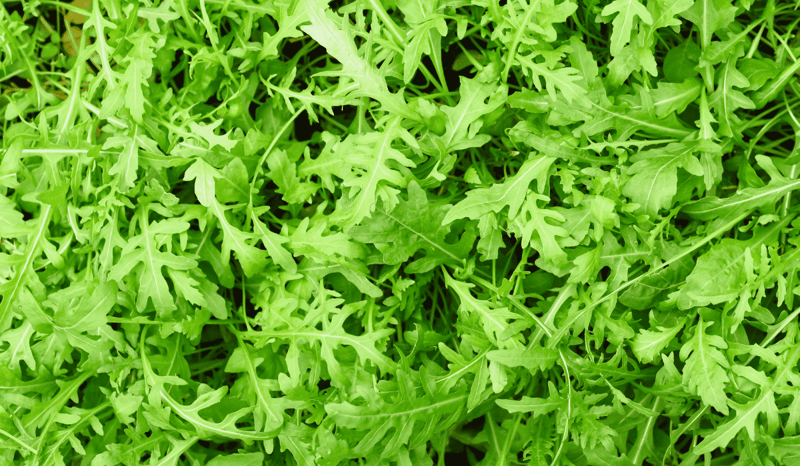
Arugula Is Not a Substitute for Dairy. Here Are 5 Excellent Dairy Substitutes.
Blog
Gwyneth Paltrow sparked a meme. We’re turning it into something useful for you and for the animals.
Unless you’ve been hiding under a wheel of brie, you’ve seen the meme: Gwyneth Paltrow suggested using arugula as a dairy substitute on the Today show, and the internet hasn’t been the same since. “In no universe is arugula a substitute for cheese,” one Reddit user declared. We couldn’t agree more, but the conversation it sparked? That’s worth having.
“We were all so worried about being replaced with AI we didn't even see arugula coming.” — A very correct person on Threads
In June 2026, Paltrow appeared on the Today show to promote her restaurant concept, Goop Kitchen. During a cooking segment with Savannah Guthrie and Carson Daly, she revealed she likes mixing arugula into meatballs as a texture substitute for cheese. “It sounds weird,” she admitted, “but it kind of adds a nice texture to it, and it’s delicious.” The clip went viral almost instantly—not as a food tip, but as a meme about substitution, relevance, and things that simply do not replace other things.
Arugula is a wonderful leafy green. It is peppery, nutritious, and excellent in a salad. It is not a stand-in for the creamy, melty, tangy richness of dairy, but plenty of things are, and unlike arugula, they actually make sense.
At World Animal Protection US, we believe reducing dairy consumption is one of the most meaningful steps you can take for farmed animal protection. Cows exploited for dairy endure repeated pregnancies, separation from their calves, and lives confined to industrial facilities. Every swap you make matters. So here are five real dairy substitutes: ones that will actually replace the flavor, texture, and function of dairy in your cooking.
The 5 Best Dairy Substitutes (That Are Not Arugula)
1. Oat Milk—Best Overall Milk Replacement
Oat milk has earned its crown as the go-to dairy milk substitute and for good reason. It’s creamy, naturally sweet, and foams beautifully for lattes. Made from rolled oats blended with water, it’s low in saturated fat, often fortified with calcium and vitamin D, and comes with a smaller environmental footprint than conventional dairy.
For baking, it performs almost identically to cow’s milk. For pouring over cereal, into coffee, or sipping straight from a cold glass, it’s arguably the most satisfying 1:1 swap available.
Best for: Coffee, cereal, baking, smoothies, sauces
2. Cashew Cream—Best for Creamy Dishes
Blend raw cashews with water and a pinch of salt, and you have one of the most versatile dairy replacements in existence. Cashew cream is thick, neutral-flavored, and extraordinarily adaptable. It becomes pasta sauce. It becomes a base for vegan cheese. It becomes the cream in soups, the “sour cream” on tacos, and the filling in cheesecakes.
No cooking required, just soaking and blending. Add nutritional yeast for a distinctly cheesy flavor, lemon juice for tang, or garlic for something savory. Unlike arugula, cashew cream melts into dishes without leaving a peppery bite.
Best for: Pasta sauces, soups, vegan cheese, desserts
3. Coconut Yogurt—Best for Breakfast and Baking
Thick, tangy, and rich in texture, coconut yogurt is a near-perfect replica of the dairy yogurt experience. Made from fermented coconut cream, it has the probiotic benefits of traditional yogurt without the animal cruelty. High-quality coconut yogurts are indistinguishable in texture from Greek yogurt—thick enough to hold shape in a bowl, smooth enough to swirl into sauces.
In baking, it brings the same moisture and acidity that regular yogurt does, activating baking soda and tenderizing crumb. Topped with granola and fruit, it's a breakfast that requires no compromise whatsoever.
Best for: Breakfast bowls, dressings, baking, tzatziki
4. Nutritional Yeast—Best for Cheesy Flavor
If arugula has a peppery bite that vaguely reminds you of nothing related to cheese, nutritional yeast has an umami-packed, nutty, distinctly cheesy flavor that is the real deal. “Nooch”—as devotees call it—is deactivated yeast packed with B vitamins, protein, and that all-important savory depth.
Sprinkle it on popcorn. Stir it into cashew cream. Use it to make vegan mac and cheese. Blend it into a dairy-free parmesan with cashews, garlic, and salt. It won't melt the way cheese does, but it delivers the flavor profile that dairy provides—something arugula simply cannot claim. You can find more dairy-free cheese alternatives here.
Best for: Pasta, popcorn, vegan cheese sauces, seasoning
5. Cultured Vegan Butter—Best 1:1 Butter Swap
The plant-based butter category has gone from margarine-flavored compromise to genuinely excellent product. Cultured vegan butters—made from a blend of plant oils fermented with live cultures—replicate the complex, slightly tangy flavor of high-quality dairy butter with remarkable accuracy.
They perform identically in baking (cookies, croissants, pie crusts), melt on toast with the same satisfying sizzle, and finish pasta with the same glossy richness. For animals, every stick you swap represents a small act of compassion. For your cooking, you won't notice the difference.
Best for: Baking, sautéing, spreading, finishing sauces
Why Dairy Alternatives Matter for Animals
Dairy cows in factory farms are typically kept pregnant continuously, separated from their newborn calves within hours of birth, and confined to facilities that prevent natural behavior. Choosing plant-based alternatives reduces demand for this system—one meal at a time.
Frequently Asked Questions
Is arugula actually a dairy substitute? No. Arugula is a leafy green with a peppery flavor. It contains no fat comparable to dairy, does not melt, and cannot replicate the taste or function of milk, cheese, cream, or butter. The claim originated from Gwyneth Paltrow’s 2026 appearance on the Today show, where she suggested using it for texture in meatballs—not as a general dairy replacement. The internet correctly identified this as unusual.
What is the closest substitute for cow’s milk? Oat milk is widely considered the closest substitute for cows' milk in terms of flavor, texture, and functionality across recipes. For higher protein content, fortified soy milk is nutritionally closest. For barista-style steaming and frothing, oat milk leads the category.
What can I use instead of cheese? For melting, shredded plant-based cheeses made from coconut oil or cashews are the best option. For cheesy flavor without melting, nutritional yeast is unmatched. For creamy cheese-like texture in dishes, blended cashew cream with lemon and nutritional yeast delivers outstanding results.
Why should I reduce dairy consumption? Industrial dairy farming causes significant suffering for cows and calves, contributes substantially to greenhouse gas emissions, and uses large amounts of land and water. Reducing dairy is one of the most impactful individual choices to prevent cruelty to cows and support environmental sustainability.
The Bottom Line
Gwyneth Paltrow gave us a meme for the ages. The internet responded with the appropriate level of bewilderment, but buried in the joke is a real conversation: dairy alternatives have never been better, more accessible, or more necessary.
You don’t have to make the switch overnight. Start with oat milk in your coffee. Try cashew cream in a pasta sauce. Shake nutritional yeast onto popcorn. Each small change reduces demand for a system that causes real suffering to real animals.
And please, put the arugula in your salad, where it belongs.
Want more help on dairy and meat alternatives? Join our FREE Plant-Powered Changemakers community today.