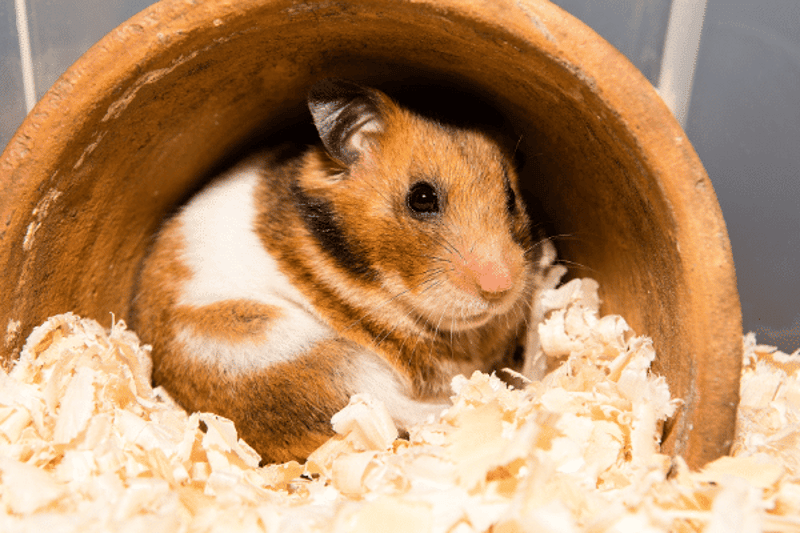
Hamsters, guinea pigs, and gerbils are sensitive, fragile animals. When inexperienced people or families with young children are misled into buying them as “pets,” it can end in disaster.
No One Is a “Starter Pet”
Hamsters, gerbils, and guinea pigs are marketed as “starter pets”—small, low-maintenance animals who are appropriate for children. In reality, these animals are fragile, easily stressed, and difficult to care for well. Once in a home, small animals need very specific conditions to thrive: the right housing, diet, and, for guinea pigs, companionship. When those needs aren’t met, their bodies can shut down. As prey animals, hamsters, guinea pigs, and gerbils instinctively hide pain and illness, so they can suffer quietly for months before anyone notices something is wrong. Finding a veterinarian with small-animal expertise isn’t easy either.
Letting children handle such fragile animals compounds the risk. Kids don’t yet have the strength, patience, or instinct to hold small mammals safely, so even affectionate handling can go wrong. Hamsters and gerbils are fast and easily startled, prone to squirming or leaping without warning. The most common fracture in hamsters is a broken back leg, usually from a limb caught in a cage bar or a fall after being dropped, and a drop of just a few feet can be catastrophic, even fatal. Children are also tempted to squeeze their soft, fuzzy bodies, which can cause horrific injuries like rectal prolapse.
Bored to Death
Traumatic injury isn’t the only danger hamsters, gerbils, and guinea pigs face. Most of these animals are likely miserable in our homes. Small mammals kept as companions spend nearly all their lives confined to small cages. In the wild, hamsters dig burrows nearly 30 feet deep, roam for miles, and forage for grasses, herbs, and berries. Brazilian guinea pigs, close relatives of the guinea pigs sold in stores, spend up to 80% of their day foraging. Denied the chance to forage and explore, guinea pigs can develop stereotypic behaviors such as circling, pacing, and biting. Gerbils show similar signs of chronic boredom, often digging repetitively in the same corner.
The cages and “starter kits” sold at pet stores are designed to be cheap, easy to clean, and convenient for human homes—not to meet the physical and psychological needs of the animals trapped inside them.
Suffering Starts Long Before the Store
The animals on pet store shelves weren’t born there. Most are bred at large-scale commercial facilities called mills and shipped through wholesalers before ever reaching a store display. Animals endure extreme cruelty and neglect at mills and dealers. Federal inspectors have documented cannibalization, animals without access to water, untreated illness, eye abnormalities, hair loss, scabbing, broken limbs, and more.
What You Can Do
Here are a few ways to help these little guys:
- Adopt, don’t shop. Shelters and small-animal rescues are full of guinea pigs, hamsters, and gerbils who need homes, and rescue staff can tell you honestly what their care involves.
- Push for a ban in your city. Your city could be the next to prohibit the retail sale of small mammals. Download our toolkit to learn how to pass one.