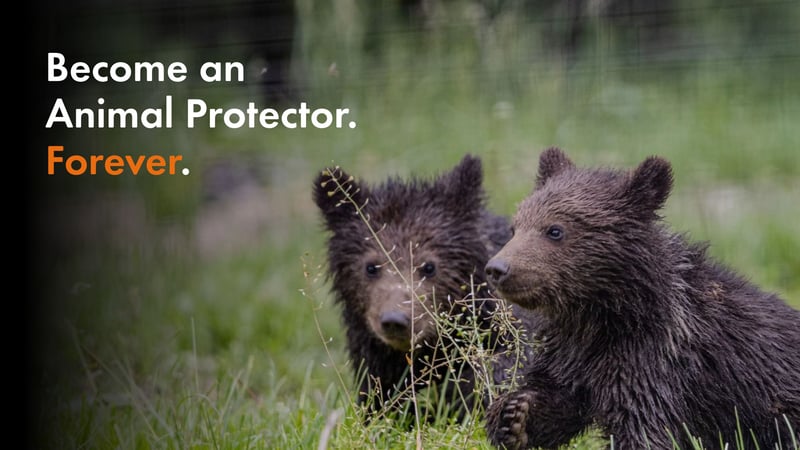
National Estate Planning Awareness Week is the perfect time to think about what matters most to you. Our partnership with FreeWill makes it easy to put those thoughts into action.
If you've been meaning to make a will, this is your sign.
National Estate Planning Awareness Week (NEPAW) runs October 19-25, 2026 and is a nationwide reminder that an estate plan isn't a someday task or something reserved for the wealthy. It's a practical way to look after your family, your companion animals, and the causes that matter most to you.
At World Animal Protection, we believe everyone should have a will. That's why we partner with FreeWill, so you can create a legal will for free. It takes about 20 minutes:
Three Myths that Keep People from Planning
"I don't have enough to plan for." Estate planning isn't about the size of your estate. It's about deciding what happens to what you do have, whether that's a home, a car, a savings account, family keepsakes, or your online accounts.
"It's too complicated." A basic will can be done in one sitting. You can always revisit it as life changes.
"My family will figure it out." Without a plan, state law decides who receives your property and who makes decisions on your behalf. Your loved ones may be left guessing, and guessing can be painful.
Don't Forget Your Nonhuman Family
Our companion animals depend on us for so many things. A little planning means they'll be cared for if something happens to you:
- Choose a caregiver you trust, and ask them in advance.
- Consider setting funds aside. Many states allow pet trusts to cover food, veterinary care, and other ongoing costs.
- Write down the details, from feeding routines to medical needs to the toy they won't sleep without.
What's Changed for 2026, and What Hasn't
There's reassuring news on the tax front. Here's where things stand this year:
- The federal estate tax exemption is $15 million per person (up to $30 million for a married couple), and it's now permanent rather than scheduled to drop. It adjusts for inflation going forward.
- The annual gift tax exclusion holds steady at $19,000 per recipient, the same as 2025. Married couples can give $38,000 per recipient together.
- State rules still matter. Some states have their own estate or inheritance taxes with much lower thresholds, so it's worth understanding the rules where you live and where you own property.
- Your digital life belongs in your plan. Passwords, online accounts, photos, and cryptocurrency can be hard for loved ones to access without clear instructions.
The bigger federal exemption means fewer families will owe federal estate tax. It doesn't mean fewer families need a plan. Naming guardians, designating who makes medical and financial decisions, and directing your belongings are things only you can do.
Your NEPAW checklist
You don't need to do it all this week. Pick one:
- Create a will with our free FreeWill tool.
- Check your beneficiary designations on retirement accounts and insurance policies. They can override your will.
- Plan for your animals by choosing a caregiver and writing down their care instructions.
- Gather your digital information in a secure place someone you trust can find.
- Talk to an estate planning attorney if your situation is complex, such as owning property in more than one state or having a blended family or a business.
A Gift that Outlives Us
Many of our supporters tell us they want to keep protecting animals long after they're gone. A gift in your will is one way to do that. It costs nothing during your lifetime, and it helps power work like our campaigns to end factory farming and wildlife exploitation for generations to come.
If you'd like to learn more, we'd love to welcome you to our Legacy Society.
Estate planning is a way of saying: this is what I value, and this is who I want looked after. This week is a good time to say it.
This post is for general information and isn't legal or tax advice. Please consult a qualified estate planning attorney or financial advisor for personalized advice.